
“
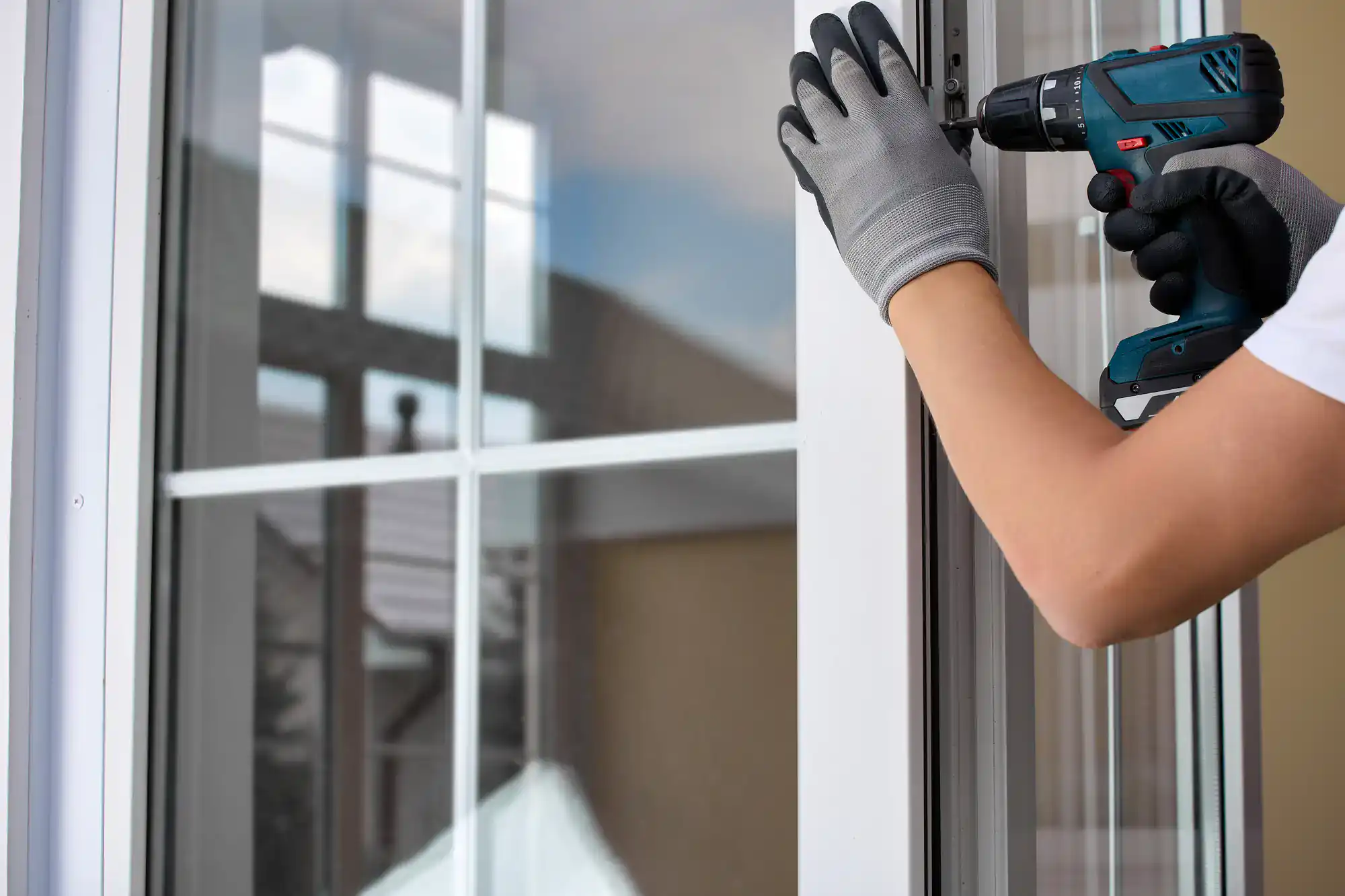
The homes in Kemp Mill Estates and Kemp Mill Farms are some of the most well-maintained in Montgomery County solid brick construction, good bones, real character. But a lot of those homes are now 50 to 70 years old, and the windows haven’t kept pace. Whether you’re still sitting on original aluminum single-pane units or first-generation vinyl replacements from the 1980s, the thermal performance just isn’t there anymore.
In a neighborhood where Pepco bills already run $150 to $200 a month, that gap matters. The U.S. Department of Energy puts it plainly: windows account for 25 to 30 percent of your home’s heating and cooling energy loss. For a Kemp Mill split-level with failing seals or single-pane glass, that’s a significant chunk of your monthly bill leaving through the frame.
Replacing those windows with ENERGY STAR-certified double-pane units with Low-E glass and argon gas fill can reduce your annual utility costs by up to 13 percent. That’s real money, not a marketing estimate. Beyond the utility savings, there’s the comfort factor: cold spots near the windows in January, solar heat baking through the east-facing glass in August, the faint sound of University Boulevard traffic on a quiet evening new windows address all of it.
If you’re thinking about selling, Kemp Mill saw 36 homes trade hands in 2025 at a $670,000 median. Buyers notice fogged glass and stuck sashes. Replacing them before you list removes a negotiating chip you’d rather not hand over.
We were founded in 1973 by Gordon Arthur Franks the same decade the last of Kemp Mill’s early subdivisions were going up. We’ve been doing home improvement work across Montgomery County ever since, and Gordon is still personally involved in every estimate and every contract. When you reach out, you’re reaching him not a call center, not a salesperson who disappears after the close.
We hold an active Maryland Home Improvement Commission license (MHIC #28145), which is the specific credential Montgomery County requires for permitted home improvement work. We’re also licensed in DC and Virginia, which matters in a market where plenty of contractors only hold one state’s credentials. With 300-plus recommendations on Washington D.C. Consumers’ Checkbook a subscription-based review platform that educated DC metro homeowners actually trust our track record isn’t something you have to take on faith. You can look it up.

It starts with a conversation. Gordon comes out, looks at what you have, and gives you a straight assessment which windows are failing, what type of replacement makes sense for your home, and what the project will realistically involve. For most Kemp Mill homes, that means insert replacement: the new window goes into the existing frame opening without altering the rough opening size.
This is the most common approach in brick split-levels and ramblers because the structural openings are solid and well-defined, and it keeps the project clean and contained. In Montgomery County, window replacement that doesn’t change the rough opening size doesn’t require a permit. That’s the standard case for insert replacement in most Kemp Mill homes, so there’s no waiting on county approval before the work can begin.
Once the windows are selected and ordered, our installation crew gets to work. A professional crew can install 8 to 12 insert replacement windows in a single day meaning a typical 10-window home is done before dinner. We handle everything: removing the old units, installing the new ones, sealing and finishing the interior and exterior, and cleaning up before we leave.
If the window openings reveal deteriorated trim or areas that need carpentry attention which does happen in homes of this age when a window opening is opened up that work can be handled as part of the same project, not handed off to a second contractor you’d have to schedule separately.

Ready to get started?
Kemp Mill’s housing stock is predominantly mid-century brick construction split-levels, ramblers, and colonials built between the late 1950s and early 1970s. These homes were built with aluminum single-pane windows that were standard for the era. Today, those frames are at or well past the end of their useful life, and even the first-generation vinyl replacements installed in the 1980s or 1990s are now 30 to 40 years old.
Vinyl double-hung replacement windows are the most practical and popular choice for this type of home they match the architectural character, they’re low-maintenance, and they deliver real energy performance when installed correctly with Low-E glass and argon gas fill. Double-hung windows with two independently operable sashes are the dominant style in Kemp Mill’s existing housing stock and the right replacement choice for most of these homes.
Modern double-hung vinyl units tilt inward for cleaning, which matters in a two-story split-level where reaching exterior glass from outside isn’t always straightforward. ENERGY STAR-certified units with proper NFRC ratings give you a verifiable benchmark for performance not just a contractor’s claim.
One thing that sets us apart in this market is multi-trade capability. Window glass replacement in an older Kemp Mill home sometimes surfaces adjacent needs: rotted exterior trim, weathered caulk lines, plaster near the opening that needs patching. As a full-service general contractor, we can handle carpentry, painting, and finishing work within the same project scope. You also have access to two stacked tax incentives worth knowing about: the federal Section 25C tax credit covers 30 percent of material costs up to $600 per year through 2032 for qualifying ENERGY STAR windows, and Montgomery County offers a separate energy efficiency tax credit of up to $250 for improvements including windows and doors.
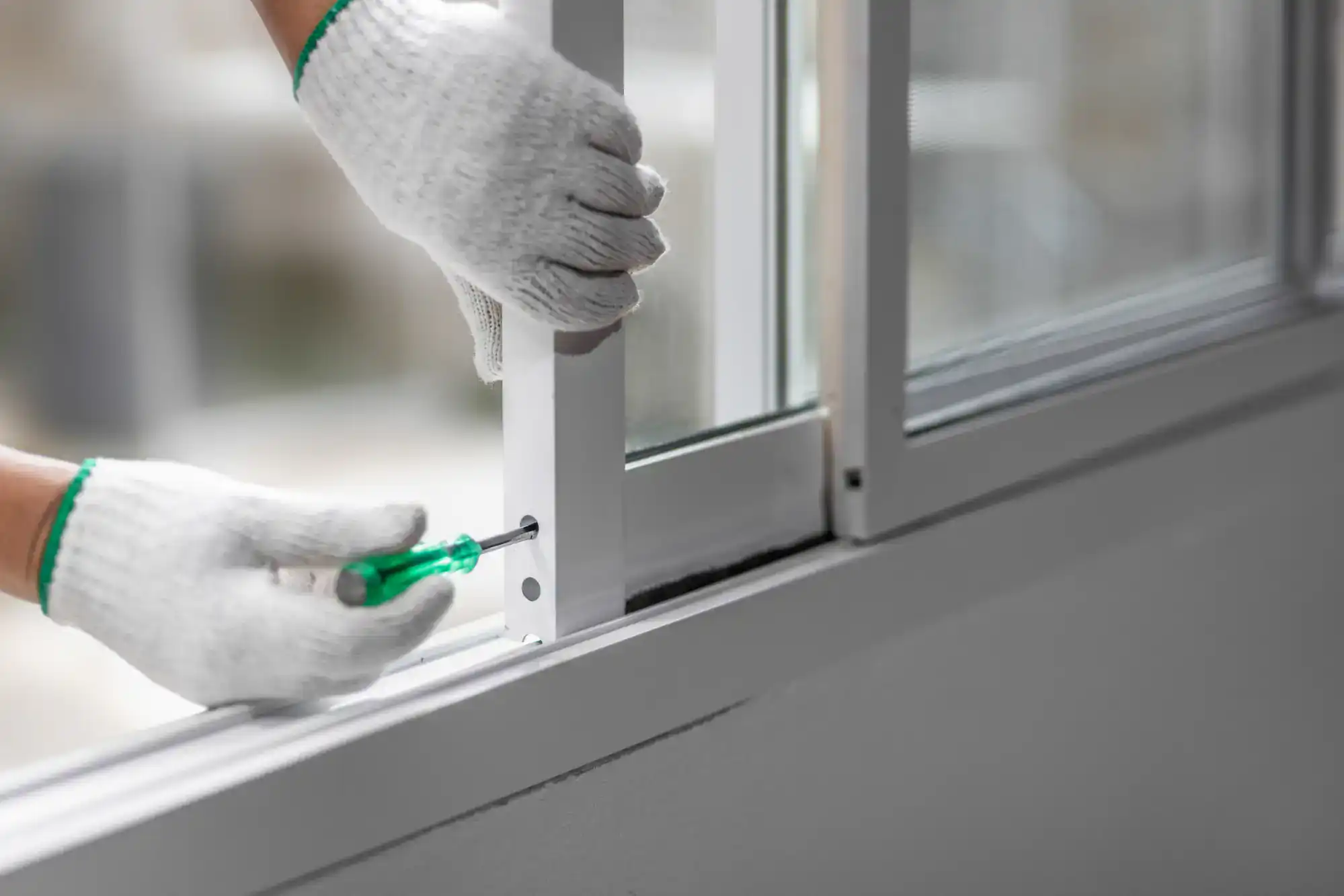
For most window replacement projects in Kemp Mill, no permit is required. Montgomery County’s Department of Permitting Services is clear on this: if you’re replacing windows without changing the rough opening size, a permit is not needed. That’s the standard scenario for insert replacement the most common approach in Kemp Mill’s brick split-levels and ramblers, where the original structural openings are intact and well-defined.
The situation changes if you’re altering the rough opening itself, such as making a window larger or adding a window where there wasn’t one before. In those cases, a permit is required, and the contractor must hold a valid Maryland Home Improvement Commission (MHIC) license to pull it. We hold MHIC #28145, so that’s covered either way. Kemp Mill has no historic district overlay or architectural review requirements so there’s no additional approval layer for standard window replacement on most homes here.
For the brick split-levels and ramblers that make up most of Kemp Mill’s housing stock, vinyl double-hung replacement windows are almost always the right call. They match the architectural style of mid-century homes, they require minimal maintenance compared to wood, and they perform well across the full range of DC metro weather from the humid 90-degree summers to the sub-freezing January nights that make old aluminum frames feel like open vents.
Look for units with Low-E glass coating and argon gas fill between the panes. Low-E glass reflects infrared heat while still letting light through it keeps the heat out in summer and holds it in during winter. Argon gas between the panes adds another layer of insulation that standard air-filled double-pane units don’t have. These features matter more in Kemp Mill than in newer construction because older homes with less wall insulation rely more heavily on window performance to maintain indoor temperature. NFRC-rated windows give you a standardized, third-party benchmark to compare products honestly not just a salesperson’s word.
The U.S. Department of Energy estimates that windows account for 25 to 30 percent of residential heating and cooling energy loss. For a Kemp Mill home with original aluminum single-pane windows or double-pane units with failed seals, that’s a meaningful share of what you’re paying Pepco every month. ENERGY STAR-certified replacement windows can reduce annual utility costs by up to 13 percent compared to single-pane windows, and a 2025 survey by This Old House found an average energy savings of $42.50 per month after window replacement.
That said, the financial picture is broader than just the utility bill. Montgomery County homeowners can claim a county-level energy efficiency tax credit of up to $250 for qualifying improvements, and the federal Section 25C tax credit covers 30 percent of material costs up to $600 per year through 2032 for ENERGY STAR Most Efficient certified windows. Stack those together and the first-year offset is real. Vinyl window replacement also recovers 67 to 76 percent of project cost at resale according to the 2025 Zonda Cost vs. Value Report which matters in Kemp Mill, where homes are selling at a $670,000 median.
For most Kemp Mill homes, the actual installation is a one-day project. A professional crew can install 8 to 12 insert replacement windows in a single day, so a home with 10 windows is typically done start to finish before the end of the workday. You’re not looking at a multi-day construction situation the crew arrives, removes the old units, installs the new ones, seals and finishes everything, and cleans up before they leave.
The timeline from initial estimate to installation does include the lead time for ordering windows, which varies by manufacturer and product. That’s something worth discussing during your estimate so you can plan accordingly. If your project involves any adjacent carpentry or trim work which sometimes comes up in homes of this age when a window opening is opened up and reveals deteriorated framing or exterior trim that can typically be handled within the same project rather than requiring a separate contractor visit.
The most obvious sign is fogged or hazy glass between the panes that’s a failed seal, and it can’t be repaired. Once the seal goes, the insulating gas between the panes is gone, and the window is performing at single-pane efficiency regardless of what it looks like from the outside. In Kemp Mill’s older homes, this is extremely common in windows that were replaced in the 1980s or early 1990s and are now well into their third or fourth decade.
Beyond fogged glass, watch for drafts near the frame when it’s windy outside, difficulty operating the sash (windows that stick, won’t lock, or won’t stay open), visible deterioration of the frame or exterior casing, and condensation forming on the interior glass surface during cold weather. Cold spots near windows in January are another tell if the area within a foot of the glass feels noticeably colder than the rest of the room, the window is failing thermally. Aluminum frames, which are common in Kemp Mill’s earliest homes, conduct cold directly and are among the worst performers by modern standards. If your windows are more than 25 years old and showing any of these signs, replacement is worth evaluating seriously.
In a neighborhood as close-knit as Kemp Mill, the most reliable starting point is usually someone you already know a neighbor in Kemp Mill Estates, a fellow community member who’s had work done recently. Word-of-mouth in this community is genuinely meaningful because people here tend to be direct and specific about their experiences.
Beyond personal referrals, the most useful verification step is checking Washington D.C. Consumers’ Checkbook. It’s a subscription-based, editorially independent consumer research service not a free platform where anyone can leave a review and it carries significant weight among the professional class that makes up most of Kemp Mill’s homeowner base. We have 300-plus recommendations there. You should also verify the contractor’s Maryland Home Improvement Commission (MHIC) license directly through the state it’s a public record and takes about 30 seconds to look up. Any contractor doing permitted home improvement work in Montgomery County is required to hold one. Our MHIC number is #28145. That kind of specificity is what separates a legitimate contractor from one that’s just telling you what you want to hear.
Other Services we provide in Kemp Mill