“
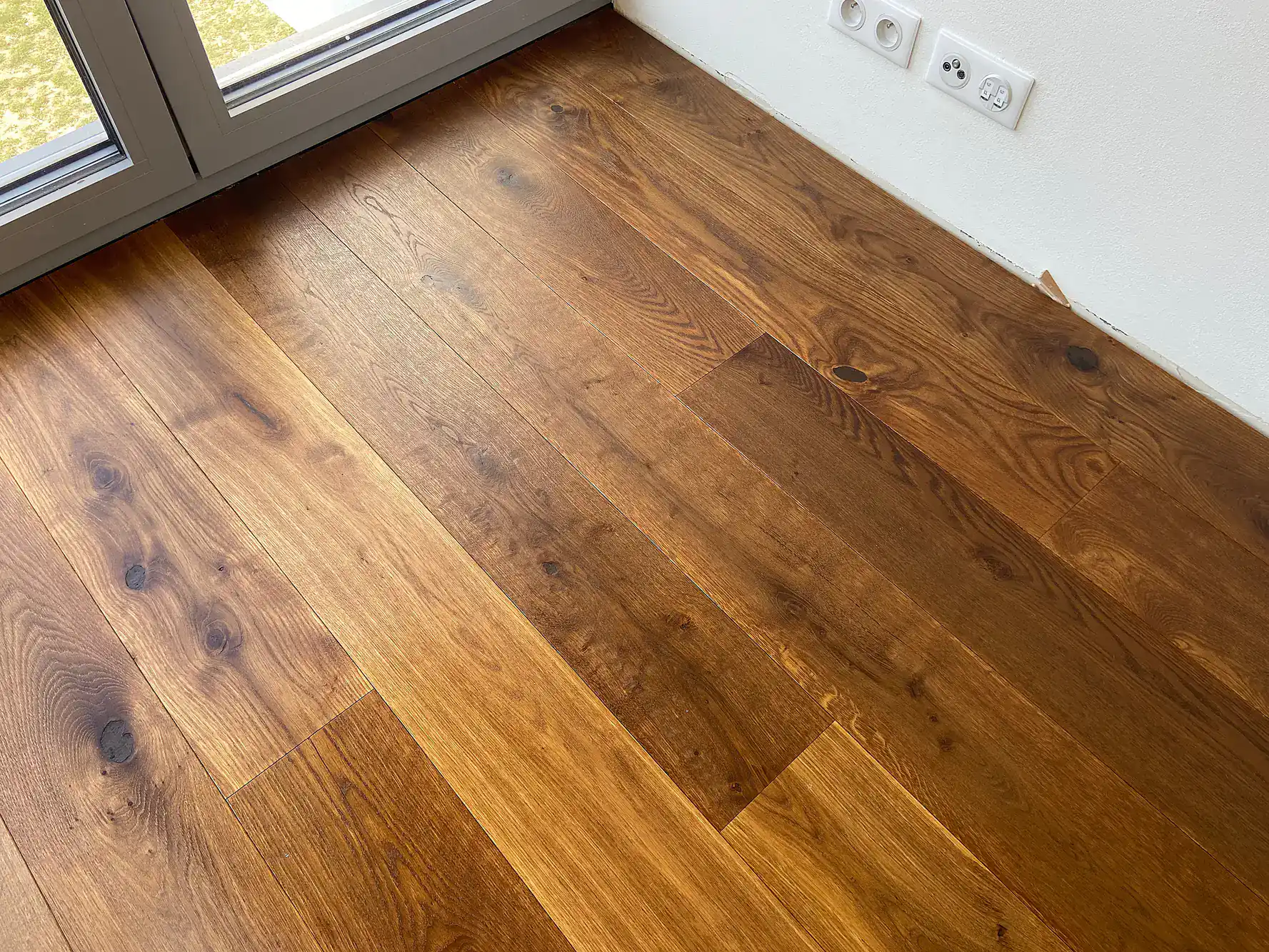
Most residential buildings in Friendship Heights Village were constructed between the late 1960s and the 1980s. That means a significant number of units in The Willoughby, The Irene, The Carleton, and The Elizabeth are still sitting on their original parquet or thin-plank hardwood floors floors that are now 40 to 50 years old and have likely never been professionally touched. The question most residents ask isn’t whether something needs to be done. It’s whether anything can still be done. More often than not, the answer is yes.
Professionally refinished hardwood floors change the feel of a space immediately. The dullness disappears. Scratches and worn patches that have accumulated over decades are gone. The wood looks the way it was always supposed to look and in a condo unit where you’re working with a fixed footprint, that difference is significant. You’re not just improving aesthetics; you’re restoring something that was built to last and simply needs the right attention to prove it.
There’s also a practical dimension that matters specifically in Friendship Heights Village. With a median condo value around $660,800 and an active listing market, sellers consistently find that refinished floors are one of the most visible and cost-effective improvements before going to market. For long-term residents choosing to stay and many do, given how well this village supports aging in place refinished floors are a comfort and safety investment. Worn, uneven hardwood is a fall risk. A properly refinished floor is level, smooth, and built to handle daily life for years ahead.
We’re based in Bethesda, MD a few miles north of Friendship Heights Village along Wisconsin Avenue, the same road that runs through the heart of both communities. That proximity isn’t incidental. We’ve been working in this specific corridor Bethesda, Chevy Chase, and the DC border communities for over 50 years and thousands of completed jobs. We know the housing stock, the building types, and what it takes to operate professionally inside a managed high-rise environment.
Owner Gordon Franks personally oversees every job and stays in direct contact with clients from the first call through the final walkthrough. That’s not a marketing line it’s how we’ve operated for five decades. We hold active licenses in Maryland (MHIC # 28145), DC (Lic # 39937921), and Virginia (Lic # 2705077763), and are fully insured. In a building where management requires proof of both before a contractor sets foot in the elevator, that paperwork is ready before you even have to ask.
The 300+ verified recommendations on DC Consumers’ Checkbook speak for themselves and if you’re a Friendship Heights Village resident, you already know why that platform carries more weight than a generic review count.
It starts with an honest assessment. Before any work is scheduled, we evaluate your floor’s actual condition checking board integrity, wear layer thickness (especially relevant if you have engineered hardwood), and whether refinishing, recoating, or targeted repair is the right approach. You won’t be pushed toward a more expensive option because it’s the only one on the menu. Our recommendation is based on what the floor actually needs.
Once the scope is confirmed, our crew handles the full process: sanding with professional dustless equipment, necessary board repairs, staining if you’re changing the color, and multiple finish coats with proper drying time between each. The dustless sanding system matters more in a Friendship Heights Village high-rise than almost anywhere else. In a building where your neighbors are on the other side of a shared hallway, sanding dust that escapes the unit isn’t just a cleanup problem it becomes a building management issue. The equipment we use keeps the work contained to your space.
Timing is worth thinking about in this climate. The DC metro area swings between hot, humid summers and cold, dry winters, and both extremes affect how wood moves and how finish cures. Spring and fall when humidity is more stable are the best windows for refinishing work, and we’ll tell you that upfront. If you’re preparing for a spring listing, scheduling in late winter gives you the right lead time. Friendship Heights Village also requires permits to occupy the public right-of-way for construction vehicles and equipment, and we handle that as part of the standard process not something you need to figure out on your own.
Ready to get started?
Hardwood floor refinishing in Friendship Heights Village covers the full range of what aging condo floors typically require sanding, staining, and finishing for floors that have lost their luster over decades of use. Wood floor refinishing is the most common service for original floors in the Village’s high-rise buildings, and it’s almost always the smarter financial move compared to full replacement. Refinishing costs a fraction of tearing out and replacing, and solid hardwood can typically go through this process four to five times over its lifespan.
Hardwood floor installation in Friendship Heights Village is the right call when boards are too damaged to save or when you’re starting fresh in a unit that’s been updated. Engineered hardwood flooring is a particularly practical choice for high-rise condo environments it handles the humidity fluctuations that come with central HVAC systems better than solid wood in some cases, and it’s available in a wide range of species and finishes. If you have existing engineered hardwood and aren’t sure whether it can be refinished, the answer depends on the wear layer thickness and that’s something we assess before recommending anything.
Hardwood floor repair in Friendship Heights Village handles the targeted issues: damaged boards, gaps that have opened up over years of seasonal wood movement, water damage from an appliance leak, or sections that were poorly patched in a previous renovation. Because we’re a full-service contractor not flooring-only if your renovation also involves painting, tiling, or cabinetry, you’re coordinating one team instead of three.
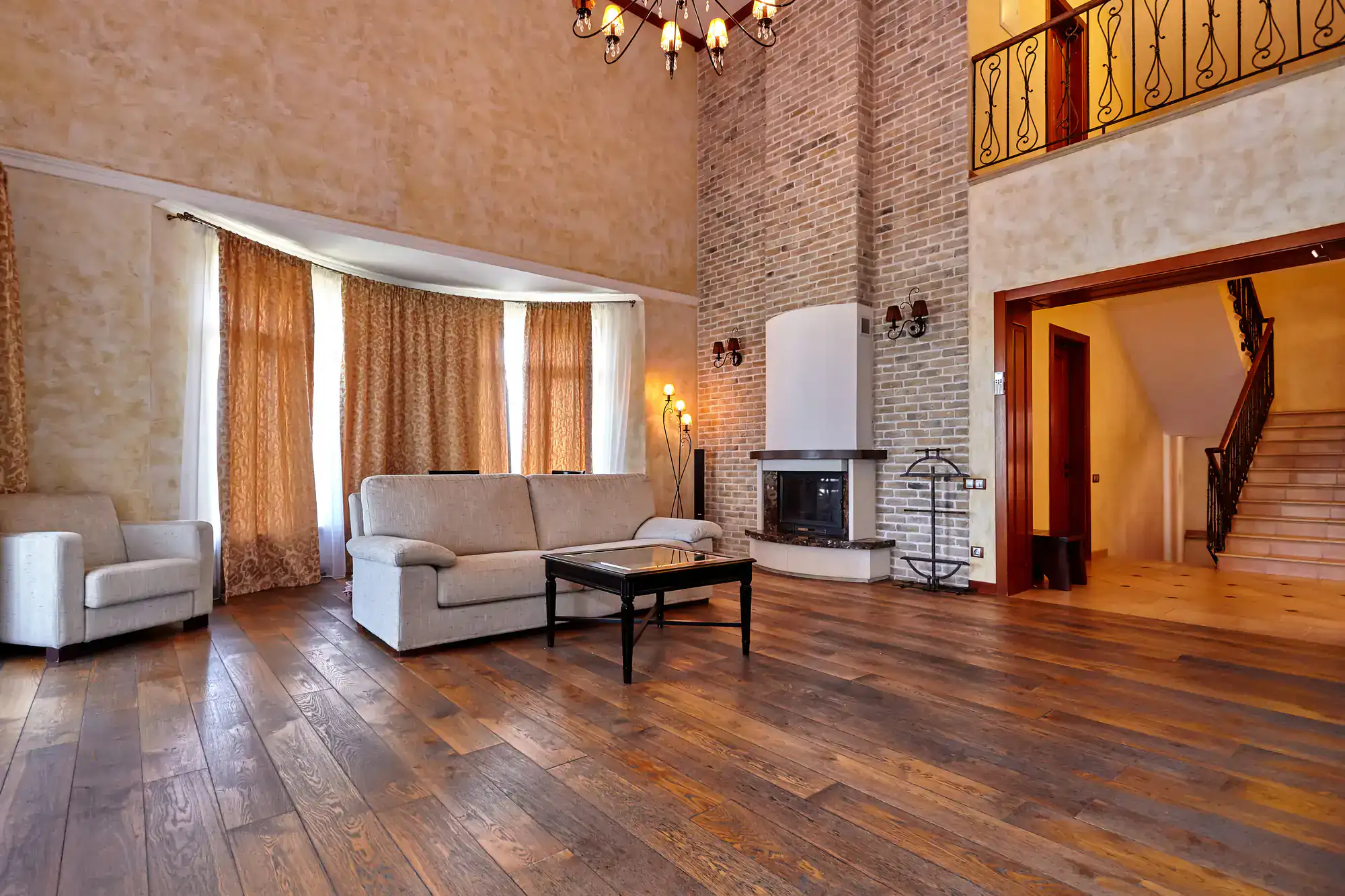
In most cases, yes but it depends on the condition and thickness of the wood. The parquet floors installed in Friendship Heights Village’s high-rise buildings during the 1960s through 1980s vary in quality and wear. Some have been covered with carpet or vinyl at some point, which can actually work in their favor the wood underneath may be in better shape than expected. Others have been exposed to decades of foot traffic, furniture movement, and the kind of gradual wear that builds up invisibly until you look closely.
The key factors are whether the boards are structurally sound, whether there’s enough material left to sand without going through to the subfloor, and whether any damaged sections need to be repaired or replaced before refinishing begins. We assess all of those questions before any commitment is made. If the floor can be saved, refinishing is almost always the better financial and practical choice over full replacement faster, less disruptive, and significantly less expensive.
Less disruptive than most people expect, provided the contractor is using the right equipment and operating within the building’s rules. The biggest concern in a high-rise environment like Friendship Heights Village is dust traditional drum sanders generate significant airborne particulate that can escape into shared hallways and common areas, which creates problems with neighbors and building management. We use professional dustless sanding systems that capture the vast majority of dust at the source, keeping it contained to the unit being worked on.
Beyond dust, the main logistics involve furniture removal from the work area, access to the freight elevator for equipment, and scheduling work during hours that comply with Friendship Heights Village’s noise regulations and your building’s own policies. Most refinishing projects in a standard condo unit are completed within a few days, with a drying period before the space is fully usable again. We’re experienced operating in managed building environments the kind of professional conduct that building managers approve without pushback.
The honest answer is that you need someone to look at the floor before drawing any conclusions. The signs that refinishing is the right call include surface-level scratches and dullness, fading or discoloration from sunlight or cleaning products, and minor gaps that have developed from seasonal wood movement. These are all cosmetic issues that sanding and refinishing resolve completely. If the finish is worn through in high-traffic areas but the wood itself is intact, you’re almost certainly a refinishing candidate.
Full replacement makes more sense when a significant portion of the boards are structurally compromised warped, cracked, or damaged beyond what repair can address or when the floor has been refinished so many times that there’s no longer enough material to sand safely. In a Friendship Heights Village building from the 1970s, that’s worth checking carefully. Engineered hardwood has a thinner wear layer than solid wood, so the number of times it can be refinished is limited by that thickness. We give you a clear answer without any guesswork.
Spring and fall are consistently the best windows for hardwood floor refinishing in the Washington, DC metro area, and that applies directly to Friendship Heights Village. The reason is humidity. DC summers are hot and humid relative humidity regularly climbs well above 70% while winters push interior humidity in heated buildings down to 20 or 30 percent. Both extremes affect how wood moves and how finish cures. Refinishing during periods of stable, moderate humidity produces better results and reduces the risk of finish adhesion issues or wood movement during the drying process.
For residents preparing their unit for a spring sale listing and the Friendship Heights Village condo market is active, with listings moving regularly scheduling refinishing in late winter or very early spring gives you the right lead time. The floors need adequate drying and curing time before the space is ready to show. If you’re planning a renovation that includes painting or other work alongside the flooring, coordinating the timing with a single contractor who handles multiple trades simplifies the whole process considerably.
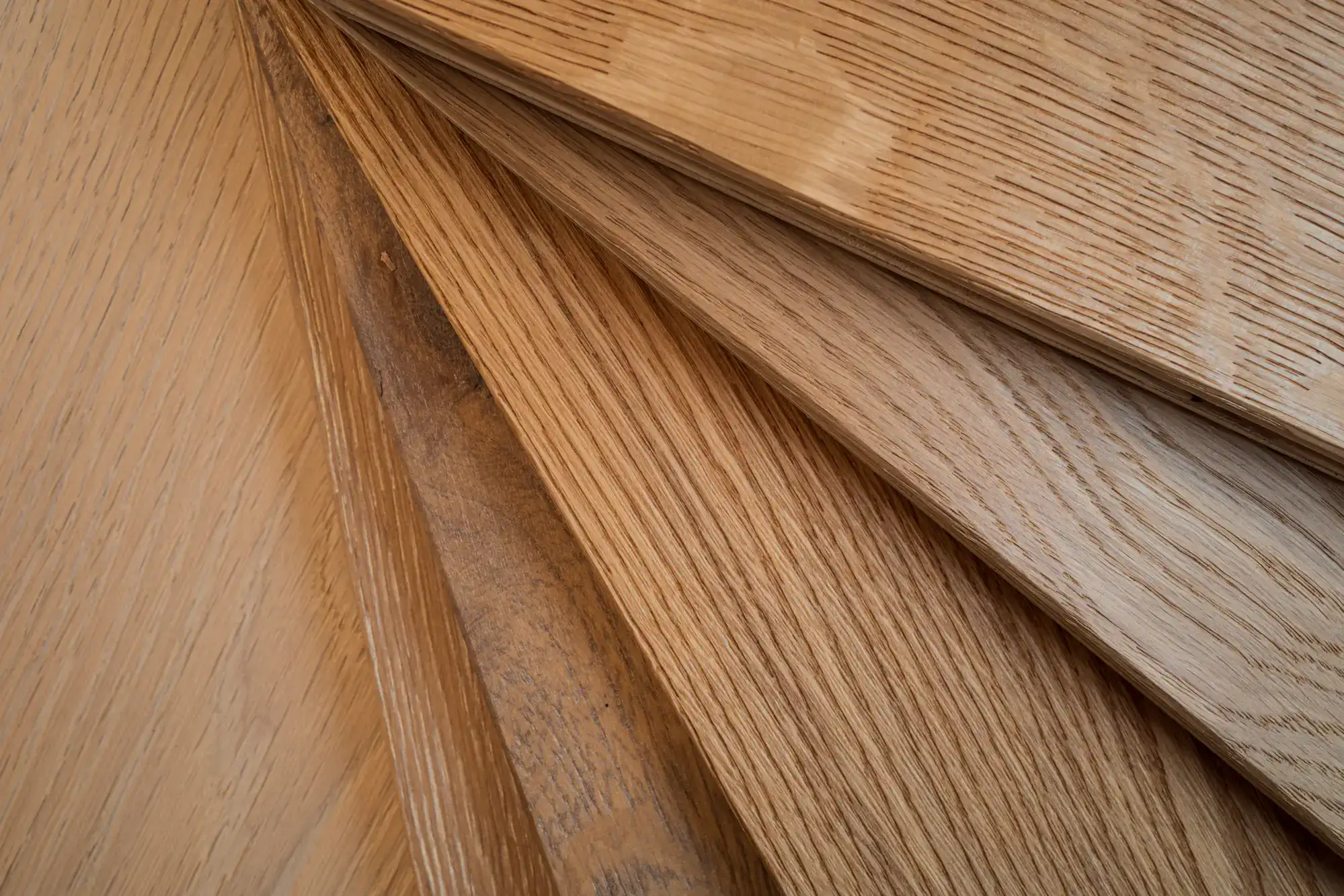
Engineered hardwood can often be refinished, but the determining factor is the thickness of the wear layer the top layer of real wood that sits above the plywood or composite core. Generally speaking, a wear layer of 3mm or more gives you enough material to sand safely at least once, sometimes twice. Thinner wear layers, which were common in some engineered products installed in the 1980s and 1990s, may not have enough depth remaining for a full sand-and-refinish without risking damage to the core.
If your unit has been updated at some point with engineered hardwood a popular choice for high-rise condo renovations because of its dimensional stability in climate-controlled buildings the first step is identifying what you have and measuring the wear layer. That’s not something you can determine by looking at the surface. We assess this definitively and tell you whether full refinishing, recoating with a fresh topcoat, or replacement is the right path. Recoating is a lighter process that refreshes the finish without sanding down to bare wood, and it’s a viable option for floors that are in good structural shape but have lost their sheen.
Yes, and handling the logistics of working inside a managed condo building is a standard part of how the job gets done not an afterthought. We’re fully licensed across Maryland, DC, and Virginia, and fully insured. Building management offices in Friendship Heights Village typically require contractors to provide proof of both before approving work in a unit, and that documentation is available immediately. Customers have noted in reviews that we “happily provide proof of licensing and insurance” when asked it’s not a hurdle, it’s just part of the process.
Beyond credentials, our crew operates with the kind of professionalism that matters in a shared building environment: organized, punctual, respectful of common areas, and using dustless sanding equipment that keeps the work contained to your unit. Friendship Heights Village also requires permits to occupy the public right-of-way for construction vehicles and equipment, and we coordinate that as part of the job. If your building has specific freight elevator scheduling requirements or restricted working hours, those are worked into the project plan from the start not discovered on the day of the job.
Other Services we provide in Friendship Heights Village