“
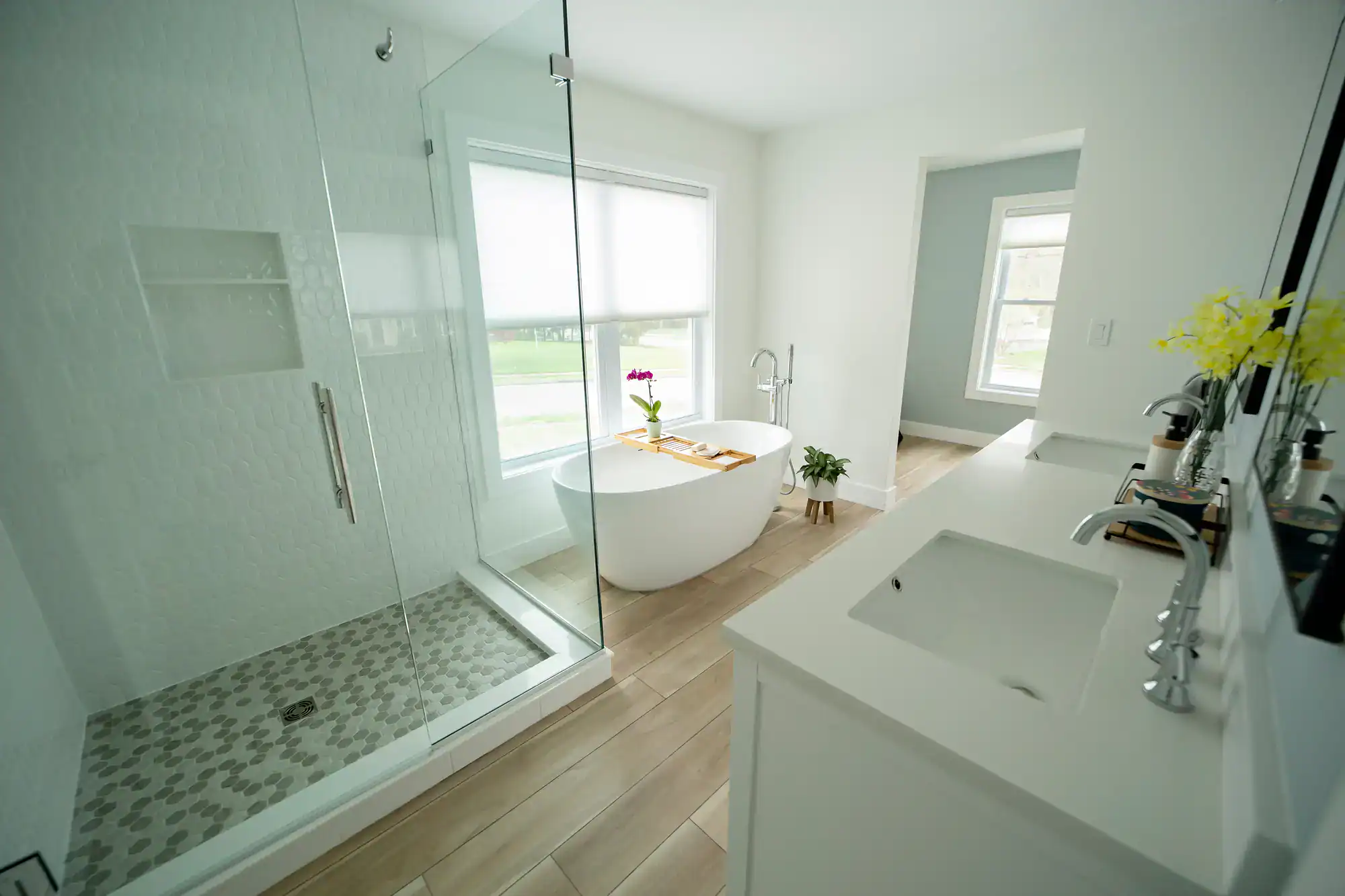
A bathroom remodel done right doesn’t just look better it functions better, holds up longer, and stops quietly working against your home’s value. For a lot of homeowners in Ashton-Sandy Spring, the bathroom is the last room that reflects what the house is actually worth today. When detached homes in this area are averaging close to $968,000, a bathroom that still has original 1970s tile and a cracked shower surround is a real gap and buyers notice it.
Beyond resale, there’s the daily reality of living in it. A walk-in shower with a curbless entry and a built-in bench isn’t a luxury item. For anyone planning to stay in their home for the next 20 years which describes a lot of residents here, given the community’s median age and the deliberate lifestyle people have chosen along the Route 108 corridor it’s a practical decision about how the home works at every stage of life.
There’s also the moisture issue that comes with Ashton-Sandy Spring’s forested, shaded setting. Older bathrooms in homes surrounded by mature tree canopy are more prone to grout deterioration, mildew, and moisture infiltration than bathrooms in sunnier, more open environments. A properly waterproofed renovation doesn’t just improve the look it protects the structure behind the wall, which is where the real damage tends to hide.
We’ve been remodeling homes in the DC metro area since 1973 the same decade many of the subdivisions off Route 108 in Ashton-Sandy Spring were first being built. That’s not a coincidence worth glossing over. It means our team has worked through the full range of what Montgomery County homes look like from the inside: the split-levels in Ashton Knolls, the colonials in Norwood, the older builds in Ednor Acres that have good bones but bathrooms that haven’t been touched in 40 years.
Based in Bethesda and licensed under Maryland MHIC #28145, we’re a full-service general contractor meaning tile, painting, carpentry, and plumbing coordination all happen under one roof with one consistent crew. You’re not managing three different vendors on your property. The team that starts your project is the team that finishes it, and we’re bonded and insured so your home is protected throughout. Reviews from past clients specifically call out crew members by name that’s not something you see from contractors who cycle through subcontractors.
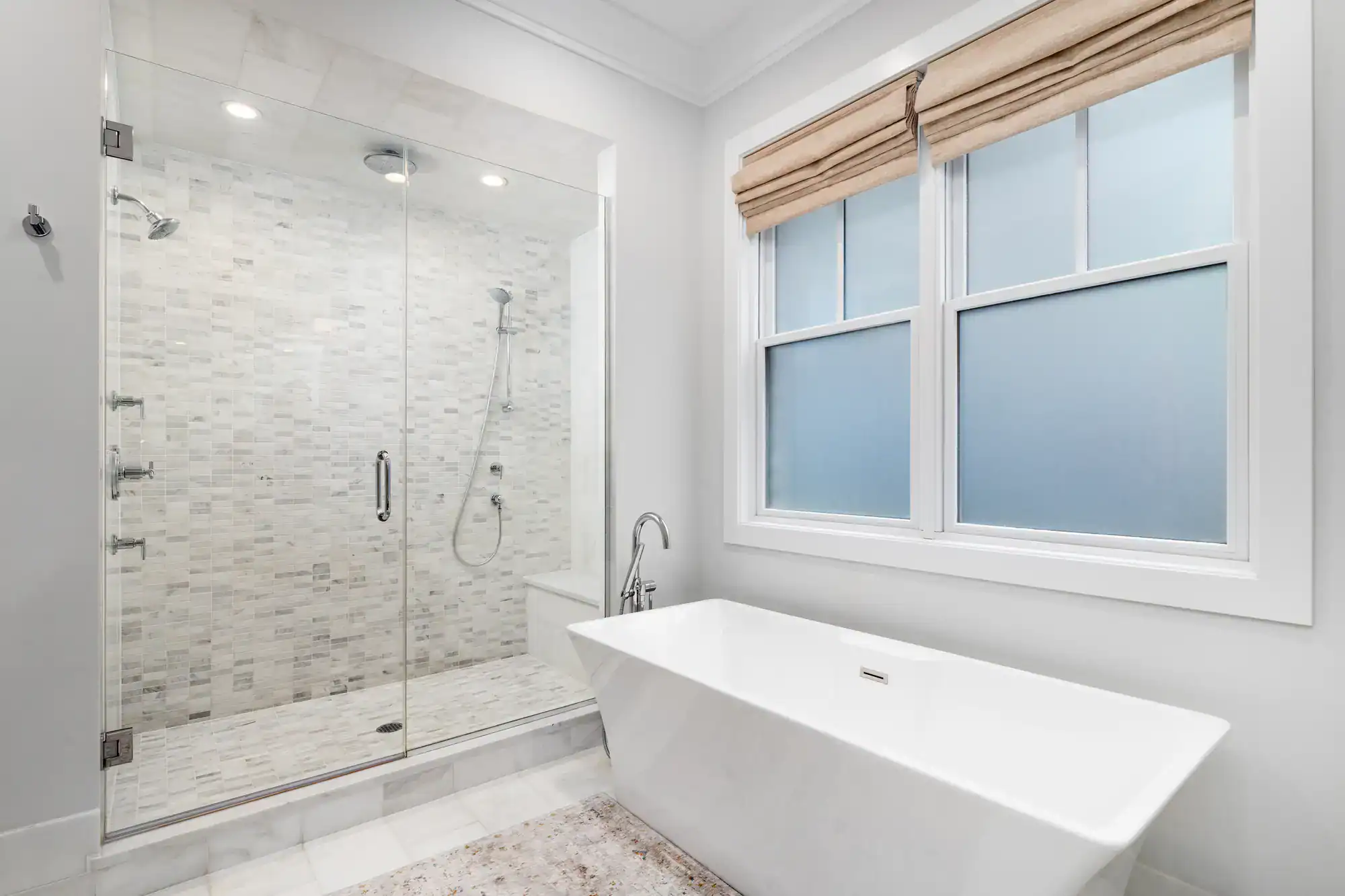
It starts with a detailed estimate not a ballpark, but a written scope that tells you exactly what’s included, what the timeline looks like, and what decisions you’ll need to make before work begins. For homeowners in Ashton-Sandy Spring, one of the early conversations is usually about permits. Any bathroom remodel involving plumbing or electrical work requires a permit from Montgomery County’s Department of Permitting Services. We handle that coordination as part of the job, so you’re not navigating the DPS process on your own or finding out mid-project that something wasn’t filed correctly.
Once the scope is locked and permits are in order, the work begins with demolition and substrate preparation. This is where the difference between a contractor who cuts corners and one who doesn’t becomes visible or rather, where it becomes invisible, because proper prep work is what you never see once the tile is up. In older Ashton-Sandy Spring homes, especially those with original shower surrounds from the 1970s or 1980s, this stage often reveals moisture damage or deteriorated substrate behind the wall. That gets addressed before anything new goes in, not patched over.
From there, waterproofing membranes are applied, tile work is completed, fixtures are installed, and finish work caulking, painting, trim closes out the project. A small bathroom remodel typically runs three to six weeks from start to finish when permits are included. We keep a clean job site throughout, and you’ll have a clear point of contact for questions at every stage.
Ready to get started?
Bathroom renovation in Ashton-Sandy Spring covers a wider range than most people expect when they first start planning. On the shower side, we handle full shower reconstruction custom benches, half walls, built-in shelving, curbless entries, and tile work throughout. Walk-in shower installation is one of the most requested projects, particularly among homeowners who are thinking about long-term livability. A curbless shower with a bench and grab bars integrated into the structure not just surface-mounted is the kind of work that makes a home work for the next two decades, not just the next two years.
Beyond the shower, the full scope includes floor tiling, wall tiling, cabinet replacement, vanity updates, and bathroom repainting. Because we’re a general contractor rather than a single-trade specialist, all of that work stays with one team. That matters in a community like Ashton-Sandy Spring, where residents value consistency and aren’t looking for a parade of unfamiliar contractors coming through their home over six weeks.
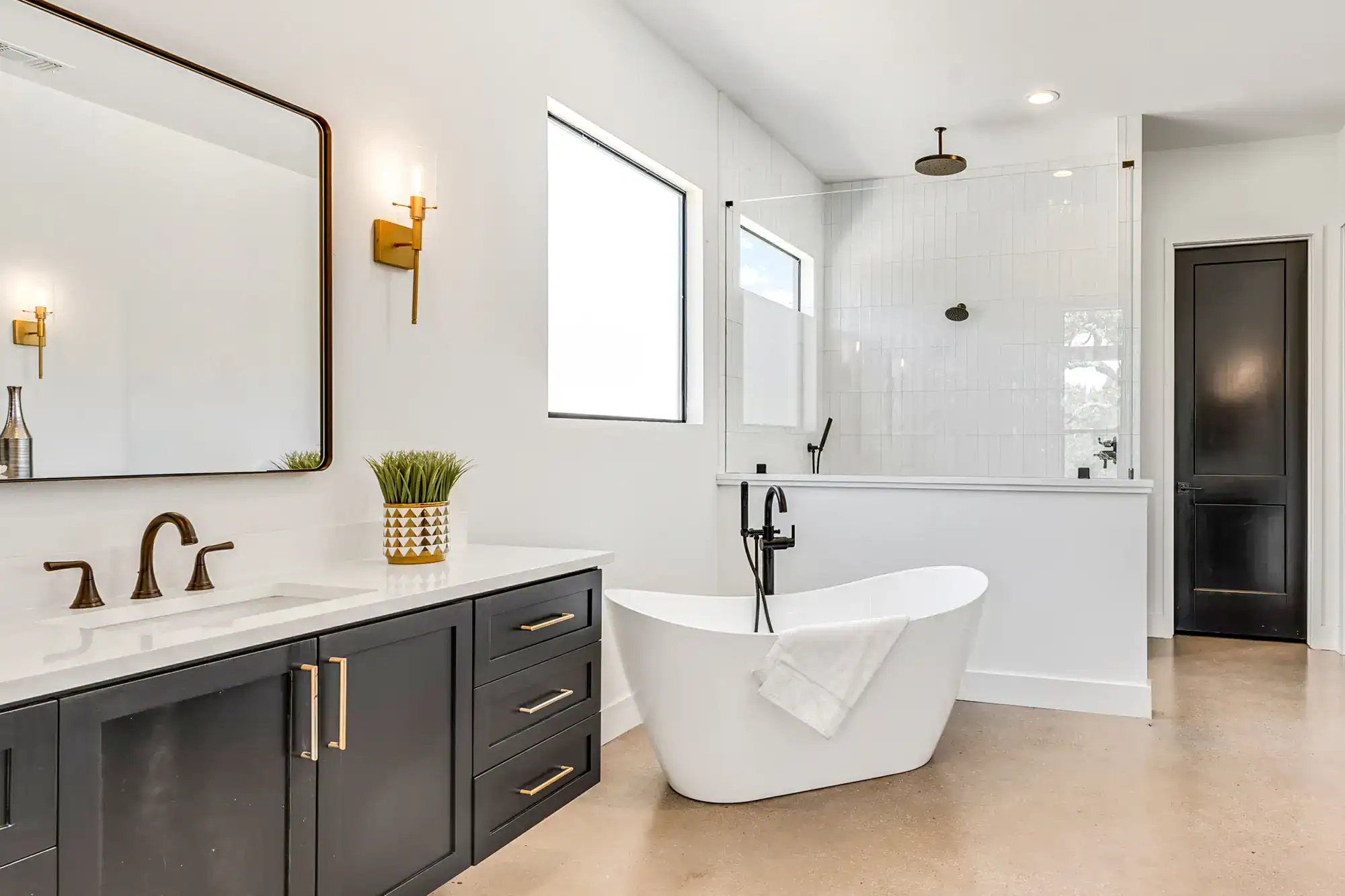
Small bathroom remodeling is also a real part of the work here. Many of the older homes in subdivisions like Ashton Manor and Ednor Acres have compact secondary bathrooms that have never been updated. Reconfiguring the layout, adding a space-efficient walk-in shower, and using design choices that make a small bathroom feel larger frameless glass, larger-format tile, improved lighting are all within scope. The goal is always a bathroom that works better, lasts longer, and reflects what the home is actually worth.
Yes, in most cases. Any bathroom renovation in Ashton-Sandy Spring that involves plumbing or electrical work requires a permit from Montgomery County’s Department of Permitting Services. That includes moving or adding plumbing fixtures, updating electrical outlets or lighting, and installing exhaust fans all things that come up in a typical bathroom remodel. Cosmetic work like painting or wallpapering doesn’t require a permit, but the structural and mechanical work that makes a renovation last absolutely does.
Skipping permits isn’t just a code violation it can create real problems when you sell or refinance. Unpermitted work in a home worth close to $835,000 is the kind of thing that surfaces during a home inspection and complicates a transaction. We handle permit coordination with Montgomery County DPS as part of the project, so you don’t have to navigate that process yourself or wonder whether everything was filed correctly.
For a small to mid-sized bathroom in Ashton-Sandy Spring, you’re generally looking at three to six weeks from the start of active construction when permits are factored in. The planning and permitting phase finalizing the scope, selecting materials, and getting Montgomery County DPS approval adds time before our crew ever sets foot in your bathroom, so the sooner those decisions are made, the smoother the timeline runs.
The actual construction sequence moves through demolition, substrate preparation, waterproofing, tile installation, fixture work, and finish work in a fairly predictable order. What can extend a timeline is discovering moisture damage or deteriorated substrate behind original tile something that comes up more often in older Ashton-Sandy Spring homes where the original shower surround has been in place for 40 or 50 years. When that happens, it gets addressed properly rather than covered over, which adds a few days but protects the work long-term. You’ll know about it before it affects your budget, not after.
Almost always, yes especially in a market where home values in this area are as high as they are. A midrange bathroom remodel currently recoups around 80% of its cost at resale, which is the highest return that category has seen since 2007. In a community where detached homes average close to $968,000, the dollar return on a well-executed bathroom renovation is meaningful in absolute terms, not just as a percentage.
Beyond resale, there’s the livability question. A lot of the older split-levels and colonials in subdivisions like Ashton Manor or Ednor Acres have secondary bathrooms that were built to the standards of the 1960s or 1970s small, compartmentalized, and not designed for how people use bathrooms today. A thoughtful renovation can reconfigure the layout, add a walk-in shower where a tub was, and use design choices that make the space feel significantly larger. You don’t have to gut the room to get a result that’s genuinely better to live in.
A tub-to-shower conversion involves more than swapping one fixture for another. The plumbing configuration changes, the floor pan or substrate has to be properly sloped and waterproofed, and the surrounding wall area needs to be rebuilt to a standard that handles daily moisture exposure without failing over time. Done correctly, it’s a structural project, not just a cosmetic one.
The design decisions matter too. A walk-in shower with a curbless entry, a built-in bench, and integrated shelving is a different project than a basic shower stall and it’s the version that holds up better, looks better, and works better for a wider range of users. For Ashton-Sandy Spring homeowners who are planning to stay in their homes long-term, a curbless entry in particular is worth building in now rather than retrofitting later. We handle the full scope of a walk-in shower installation tile, custom features, waterproofing, and finish work so the result is cohesive and built to last.
Often, you don’t not until the tile comes off. That’s one of the realities of renovating bathrooms in older homes, and it’s especially relevant in Ashton-Sandy Spring, where a significant portion of the housing stock dates from the 1960s through the 1980s. Original shower surrounds from that era were installed before modern waterproofing membranes existed as a standard practice, and in a forested, shaded environment with higher ambient humidity, moisture infiltration can work its way behind tile over years or decades without any visible signs on the surface.
What you might notice before demo is grout that keeps cracking no matter how many times it’s repaired, tile that sounds hollow when tapped, soft spots in the floor near the shower base, or persistent musty odor that doesn’t go away with cleaning. Any of those is worth taking seriously. During a renovation, if the substrate behind the wall shows moisture damage or mold, that gets addressed before new tile goes in not patched over. It adds time, but it’s the difference between a bathroom that lasts 20 years and one that starts failing in five.
Start with licensing. Any contractor doing home improvement work in Ashton-Sandy Spring needs to hold a Maryland Home Improvement Commission license MHIC. You can verify this through the Maryland License Search Tool using the contractor’s license number. It takes about two minutes and tells you whether the license is active and in good standing. Beyond that, confirm they’re bonded and insured, and ask specifically about general liability and workers’ compensation coverage. In a home worth close to $835,000, you want to know your property is protected if something goes wrong on the job site.
After licensing, look at how they handle the estimate. A contractor who gives you a vague ballpark over the phone is a different animal from one who shows up, walks through the scope, and hands you a written estimate that breaks down what’s included. The latter is what protects you from budget surprises mid-project and budget overruns affect nearly half of all bathroom renovations when the scope isn’t clearly defined upfront. In Ashton-Sandy Spring, where residents have deep roots and value contractors who show up consistently with the same crew, the ones worth hiring are those with a track record of clean job sites and work that holds up over time.
Other Services we provide in Ashton-Sandy Spring