“
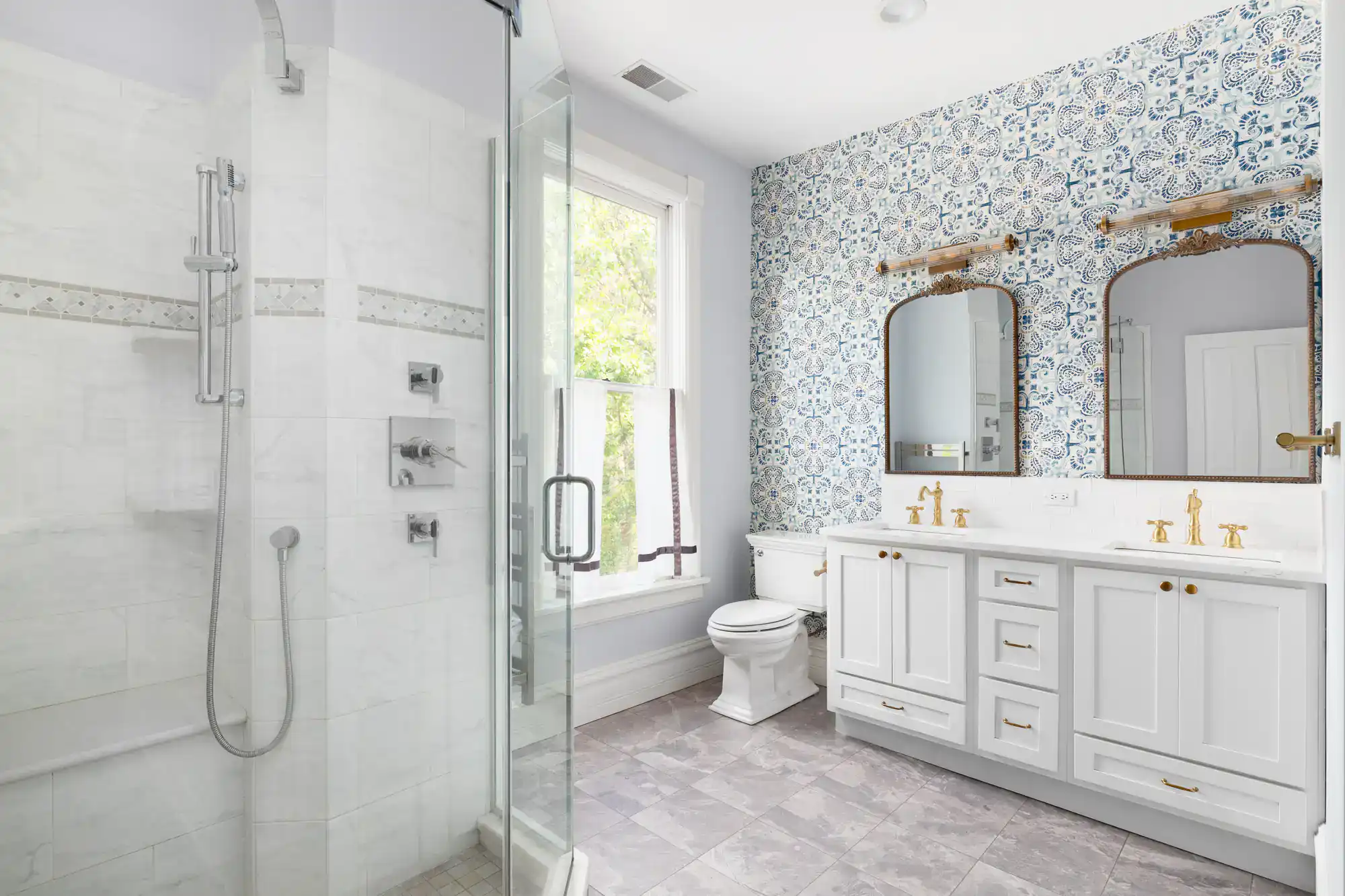
There’s a specific kind of frustration that comes with a bathroom that’s just done. The grout is stained beyond cleaning. The caulk has cracked. The tub-shower combo that came with the house in 1974 is still there, somehow, still failing. You’re not asking for a luxury overhaul you just want a bathroom that functions properly, looks decent, and doesn’t make you cringe every morning.
That’s exactly the kind of project we handle in Montgomery Village. Whether you’re in a Stedwick townhome with a compact full bath, a Whetstone colonial where the original tilework is finally giving out, or one of the older subdivisions where the plumbing hasn’t been touched in decades the work starts with understanding what you actually have behind those walls before a single tile goes up.
The DMV’s humid summers are hard on bathrooms in homes of this age. Without proper waterproofing and most homes built before 1980 weren’t built with the multi-layer systems used today moisture works its way into the substrate, the subfloor, and eventually the framing. A bathroom remodel done right addresses that before it becomes a mold problem or a structural repair bill.
That’s the difference between a renovation that holds up and one that looks good for two years and falls apart by year five.
Optima Design Group has been doing remodeling work in the Washington, D.C. metro area since 1973 which means our team has been working on DMV homes since before many of Montgomery Village’s subdivisions were finished. That means we’ve opened up walls in homes exactly like yours, dealt with the plumbing configurations common to that era, and know what to expect when demolition starts in a 1970s bathroom.
Montgomery Village falls entirely under Montgomery County’s jurisdiction, and we hold an active Maryland MHIC license (#28145) the state-required credential for all home improvement contractors working in Maryland. We’re also bonded and insured, which matters in a community where homes are close together and the Montgomery Village Foundation holds property standards to a real level of accountability.
From Rockville to Bethesda and throughout Montgomery County, we’ve built our reputation on one thing: doing the job correctly the first time, so you’re not calling someone back in three years to fix what was missed.
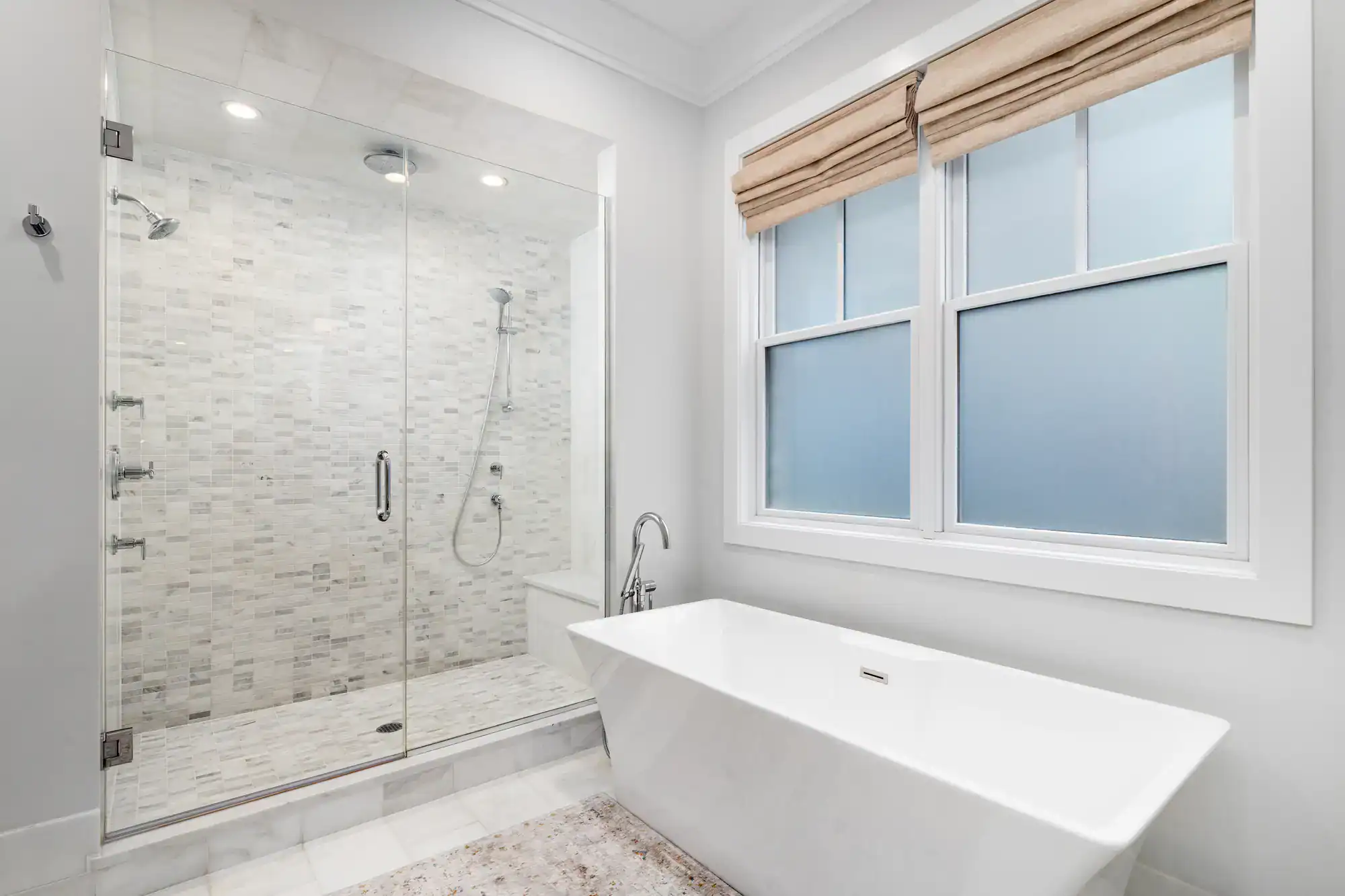
It starts with a free estimate. We come out, walk through the bathroom with you, and give you a written scope of work with a real number attached not a vague range that triples once the project starts. If there are signs of water damage or failing substrate behind the existing tile, that gets flagged before work begins, not after.
Once you move forward, we handle the permitting through Montgomery County’s Department of Permitting Services. That’s worth paying attention to, because bathroom remodels in Montgomery County that involve plumbing or electrical work require both a county building permit and a separate WSSC plumbing inspection before the county’s final sign-off can happen. It’s a two-agency process, and contractors who aren’t familiar with it cause delays. We’ve been navigating Montgomery County’s permitting requirements for decades and manage that coordination on your behalf.
From there, demolition, waterproofing, tile work, painting, and installation all run under one crew. You’re not managing a separate tile contractor and a separate painter who’ve never met each other. One team, one schedule, one point of contact. Most small bathroom remodels in a home like yours a townhome or a single-family from the original Village construction take somewhere between three and six weeks from start to finish, depending on scope and permit timing. You’ll know what to expect before work begins, not after it’s already underway.
Ready to get started?
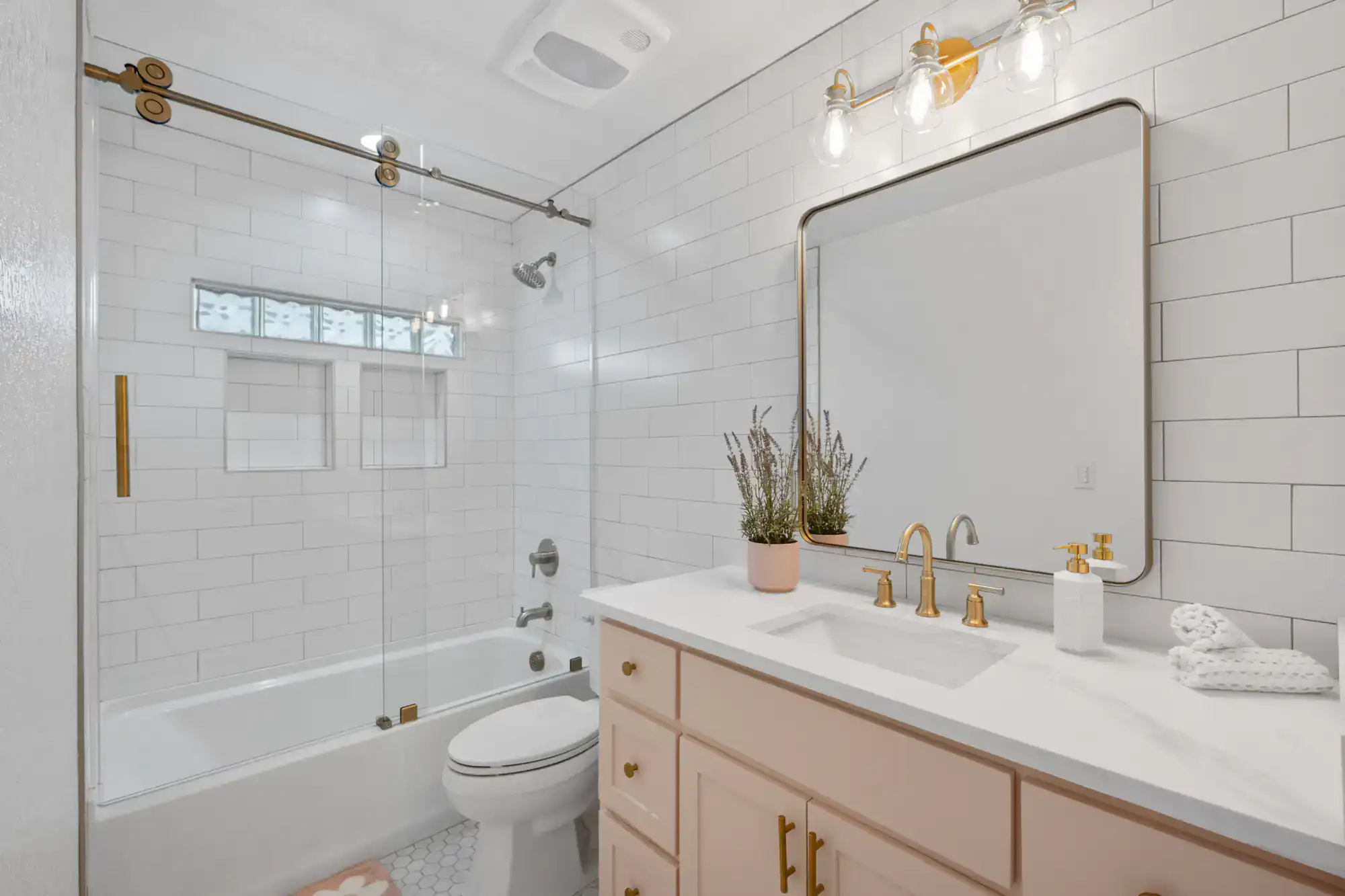
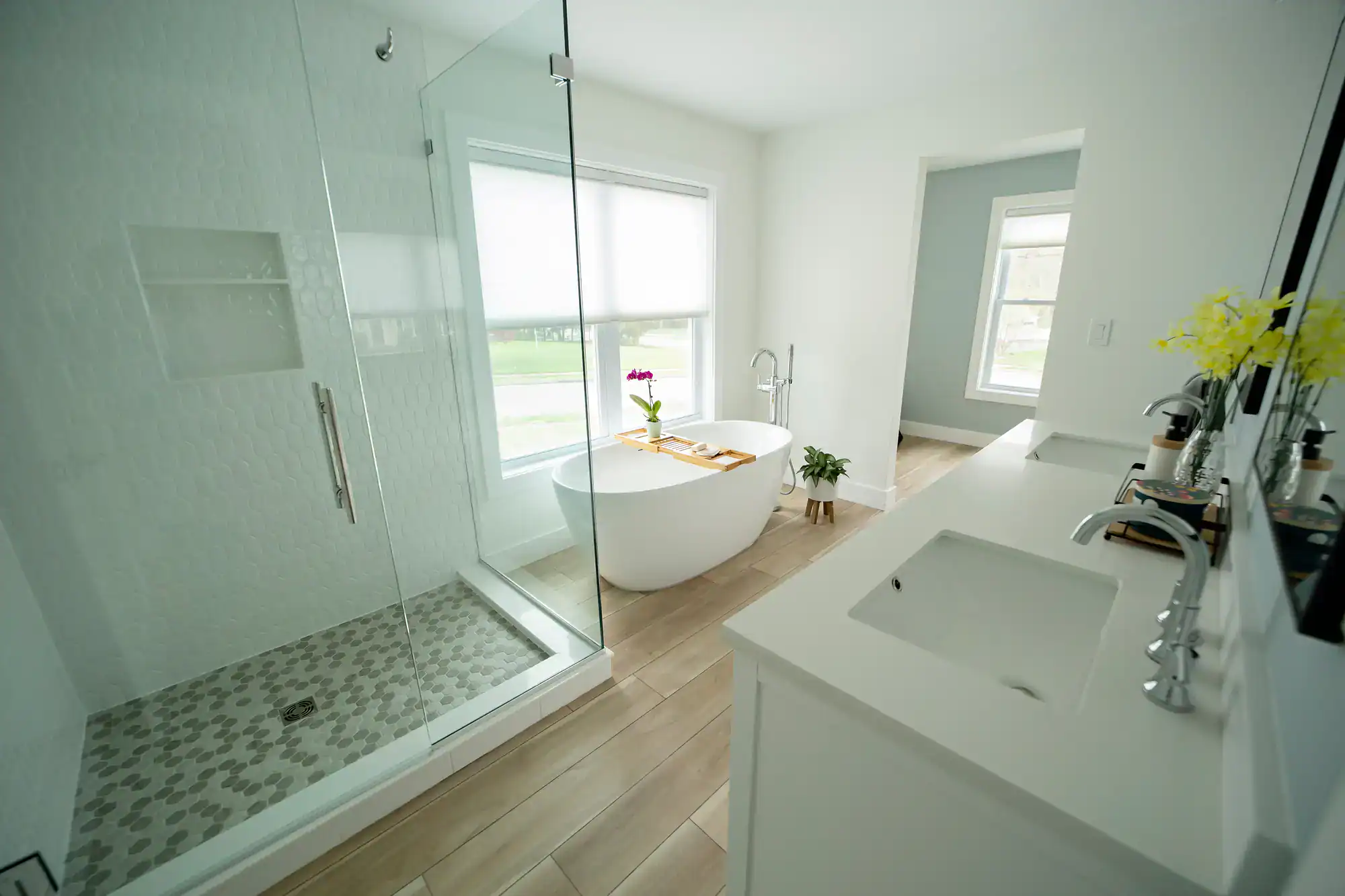
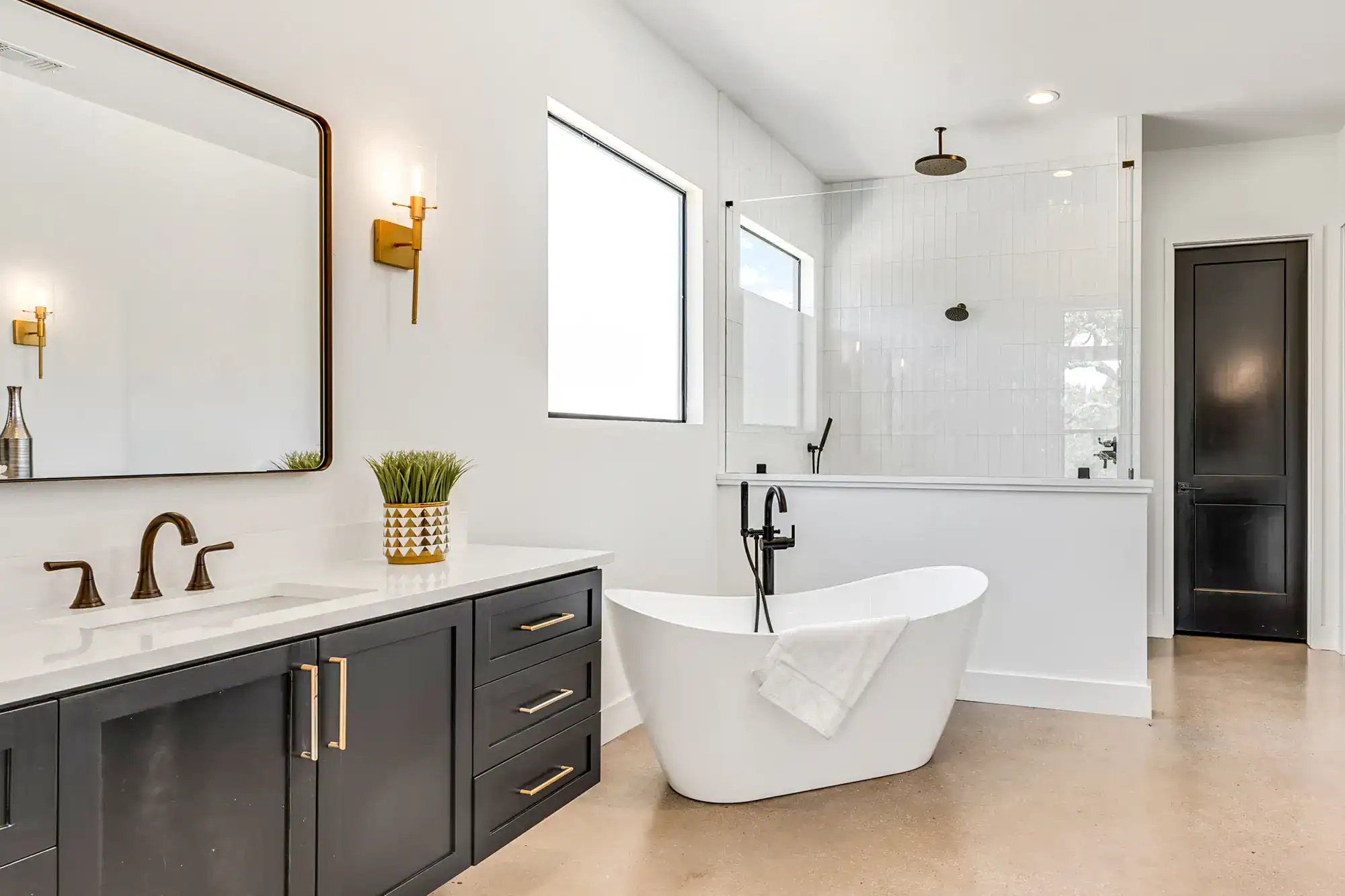
Bathroom remodeling in Montgomery Village covers a wide range of project types, and we work across all of them. Full bathroom renovations gut the space, replace the plumbing fixtures, retile the floor and walls, install a new vanity, repaint are common in the older sections of the Village where the original construction is simply at the end of its useful life. Walk-in shower installations are one of the most requested projects, particularly for homeowners converting an outdated tub-shower combo into a properly waterproofed, tiled walk-in shower with features like built-in benches, half walls, or integrated shelving.
For townhome owners in communities like Stedwick, small bathroom remodeling is a specific discipline. A compact space requires a different design approach than a large master bath and the right contractor knows how to make a small bathroom feel more open and functional, not just different. Frameless glass on a walk-in shower, for example, does more for a small bathroom than almost any other single change.
Aging-in-place modifications are also a growing part of the work here. Curbless shower entries, grab bar installation, and bench seating are practical upgrades that make real sense for longtime Montgomery Village residents who intend to stay in their homes. Every project includes proper surface preparation, professional-grade waterproofing, and the permits required by Montgomery County no shortcuts, no unpermitted work that creates problems when it’s time to sell or refinance.
Yes, and it’s more involved than most people expect. Montgomery Village is an unincorporated community, so all permitting runs through Montgomery County’s Department of Permitting Services. For any bathroom remodel that includes plumbing or electrical work which covers the vast majority of real renovations you’ll need a building permit, a plumbing permit, and potentially an electrical permit depending on the scope.
What makes Montgomery County’s process different is the WSSC requirement. The Washington Suburban Sanitary Commission has to complete its own plumbing inspection before the county can issue its final sign-off. That means two separate agencies are involved in the inspection process, and if your contractor isn’t familiar with that sequence, it can stall your project at the finish line. We’ve been working in Montgomery County for decades and handle all permit coordination as part of the project you don’t have to track down inspectors or figure out the sequencing yourself.
The honest answer is that it depends heavily on the scope of work and what you find once demolition starts which is why a detailed written estimate before any work begins matters so much. Nationally, the median spend for a primary bathroom remodel in 2025 sits around $15,000. Walk-in shower installations typically run between $6,000 and $12,000 depending on size, materials, and whether plumbing needs to be relocated.
For homes in Montgomery Village particularly the original 1960s and ’70s construction in Goshenside, Whetstone, and Stedwick it’s worth budgeting for the possibility of finding water damage or compromised substrate behind old tile. It’s a reality in homes of this age, especially in a climate as humid as the DMV’s. A contractor who gives you a firm number without looking at what’s behind the wall is either guessing or planning to surprise you later. We scope the work thoroughly upfront so the estimate you get reflects the actual job, not an optimistic version of it.
For a small bathroom renovation in a townhome or a single-family home in Montgomery Village, active construction typically runs two to three weeks. Add permit processing time Montgomery County’s standard review is within 17 days for a complete application, though the Fast Track program can bring that down to three to five days for qualifying projects and total project duration from signed contract to finished bathroom is generally four to six weeks.
If you have only one full bathroom in the home, that’s a real consideration and worth discussing during the estimate. A good contractor will sequence the work to minimize the time you’re completely without a functional shower, and will be upfront with you about what the timeline looks like before you commit. We build a realistic schedule into every project and communicate it clearly so you’re not left guessing what’s happening or when things will be done.
It’s actually one of the best moves you can make in a compact space. The tub-shower combos that came standard in most of Montgomery Village’s original townhome construction take up a fixed footprint and make the room feel closed in. A well-designed walk-in shower particularly one with frameless glass opens the sightlines in a small bathroom and makes it feel significantly larger without adding a single square foot.
The key is in the design details. Built-in shelving eliminates the need for hanging caddies and freestanding organizers that clutter a small space. A curbless or low-threshold entry is both a design upgrade and a practical one, especially for older residents or anyone thinking about long-term usability. We’ve done this type of conversion extensively in the DMV market, including in the compact bathroom layouts common to Stedwick and other townhome communities in Montgomery Village, and the results consistently outperform what homeowners expected going in.
Start with licensing. In Maryland, every home improvement contractor is required to hold an active MHIC license that’s issued by the Maryland Home Improvement Commission and is verifiable online. Any contractor working in Montgomery Village without one is operating illegally, and if something goes wrong, you have very limited recourse. Beyond the license, confirm they’re bonded and insured, and ask specifically about general liability coverage and workers’ compensation. In a community with homes as close together as Montgomery Village’s, an on-site injury or accidental damage to a neighboring property is a real exposure.
After credentials, the most telling signal is how they handle the estimate. A contractor who gives you a vague number over the phone without walking the space isn’t giving you an estimate they’re giving you a placeholder. Ask for a written scope of work that specifies materials, timeline, and what happens if something unexpected turns up during demolition. How a contractor communicates during the estimate phase is usually a reliable preview of how they’ll communicate during the project itself.
In most cases, yes particularly if the bathroom is visibly dated or showing signs of wear. Montgomery Village sits at the more affordable end of Montgomery County’s housing market, with median home values around $437,000 compared to the county median of around $515,000. An updated bathroom is one of the more direct ways to close that gap and make a listing more competitive, especially as buyers increasingly prioritize move-in-ready homes over fixer-uppers.
The numbers back it up: a midrange bathroom remodel recoups approximately 80% of its cost at resale in 2025 the highest return rate since 2007. Real estate listings in Montgomery Village already call out updated bathrooms with new showers as selling points, which tells you buyers here are paying attention to it. That said, the scope matters. A full gut renovation in a home you’re selling in six months is a different calculation than a targeted update new tile, a walk-in shower conversion, fresh fixtures that modernizes the space without over-investing relative to the neighborhood’s price ceiling. That’s a conversation worth having during the estimate.
Other Services we provide in Montgomery Village