“
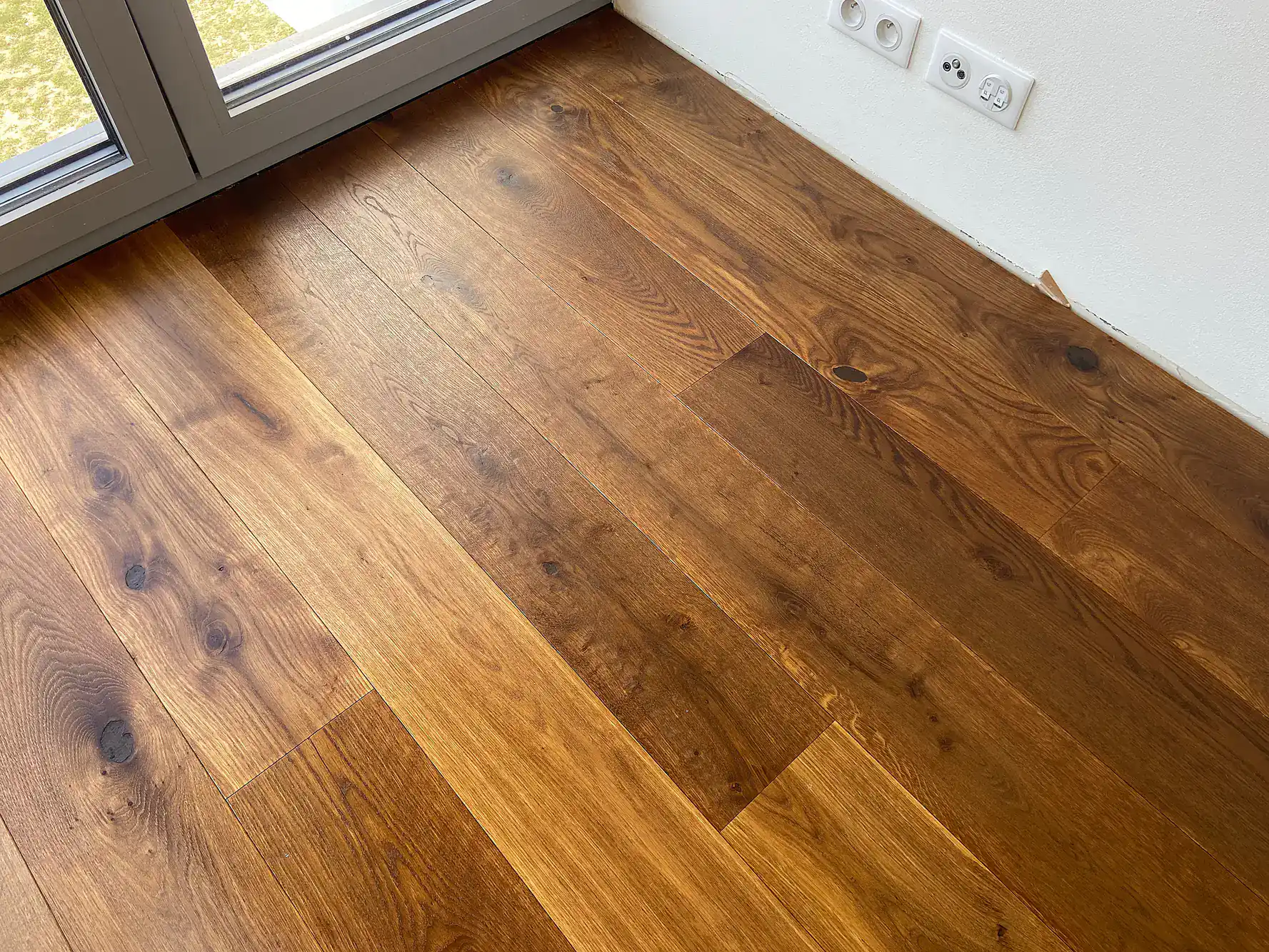
The median Fairland home was built around 1985. That means there’s a good chance your floors have never been professionally restored just lived on, cleaned around, and quietly worn down over four decades. When hardwood floor refinishing is done correctly, the result isn’t just a cleaner surface. It’s a floor that looks better than it did when the house was new, and one that’s protected for another 20 to 30 years.
For homes in Fairland communities like Greencastle Lakes or along the Briggs Chaney corridor, this matters more than people realize. The DC metro area swings hard between humid summers and dry, forced-air winters and that cycle takes a real toll on wood floors. Boards cup in August and gap in January. A professional refinish levels that out, seals the surface properly, and gives the wood what it needs to handle those seasonal shifts.
If you’re thinking about selling, the Fairland housing market is competitive average home prices are running around $645,000, and homes are moving in roughly 43 days. Freshly refinished hardwood floors don’t just look better in listing photos. They shift the conversation at the offer table. NAR and NARI data puts the return on refinishing at approximately 147% at resale.
We’ve been working in DC metro homes for over 50 years. To put that in perspective most of Fairland’s current housing stock hadn’t been built yet when we were already establishing our reputation in the region. That kind of tenure means something in a market full of contractors who come and go.
Owner Gordon Franks personally supervises every job. He’s not handing off your project to a crew you’ve never met and hoping for the best. He stays in direct contact with clients from the first estimate to the final walkthrough. That’s just how we’ve always worked.
With 300+ recommendations on DC Consumers’ Checkbook a paid, curated review platform that Montgomery County homeowners actually trust and a 4.8 out of 5 rating on Houzz, the track record speaks for itself. We hold Maryland MHIC license #28145, DC license #39937921, and Virginia license #2705077763, and are fully insured. In a tri-state market where licensing varies by jurisdiction, that matters for you.
It starts with an honest assessment. Before any work is recommended, we evaluate the condition of your floors what type of wood you have, how much wear the surface has taken, whether there’s damage that needs repair first, and whether your floors are solid hardwood or engineered. A lot of Fairland homes built in the late 1980s and 1990s have engineered hardwood, and many homeowners don’t know it. The wear layer thickness determines what’s possible, and you’ll get a straight answer before anything is scheduled.
Once the plan is set, hardwood floor sanding begins with coarse-grit passes to remove the old finish and level the surface, followed by progressively finer grits to smooth everything out. Between coats, we monitor humidity this isn’t optional in Fairland’s climate, where summer humidity averages around 75% and indoor winter air gets bone dry from forced-air heating. Getting the finish to cure correctly means paying attention to those conditions.
Stain goes on after the wood grain is properly opened, and then multiple finish coats are applied with drying time built in between each one. The goal is a surface that’s even, durable, and looks the way it should. Montgomery County doesn’t require a building permit for hardwood floor installation or refinishing when no structural changes are made, so there’s no waiting on approvals the project moves on your timeline.
Ready to get started?
We offer hardwood floor installation, wood floor refinishing, hardwood floor repair, hardwood floor sanding, and engineered hardwood flooring services and the recommendation you get will be based on what your specific floor actually needs, not on what’s most convenient to sell.
For Fairland homeowners with solid hardwood common in split-level colonials and Cape Cods built in the 1970s and early 1980s full refinishing is usually the right call. Solid hardwood can typically be refinished four to five times over its lifespan, and a floor that’s never been professionally restored has plenty of life left. For homes built in the 1990s with engineered hardwood, the answer depends on the wear layer. If it’s thick enough to sand, refinishing is still on the table. If not, recoating or targeted board repair may be the better path. Either way, you’ll know before any work begins.
Hardwood floor repair is handled the same way individual boards that are cracked, warped, or water-damaged can often be replaced and blended into the existing floor without touching the rest of it. And because we’re a full-service general contractor, if your floor project is part of a broader home update repainting after refinishing, tiling a kitchen, or refreshing a bathroom all of it can be coordinated through one contractor. For homeowners along the US Route 29 corridor in Fairland, that kind of consolidation saves real time and real frustration.
No Montgomery County’s Department of Permitting Services explicitly states that no building permit is required for installing hardwood floors, tiles, or carpeting when no structural changes are performed. This applies to standard hardwood floor installation, refinishing, sanding, and repair work throughout Fairland and the rest of the county.
That’s a meaningful distinction compared to other home improvement projects that can sit in the permitting queue for weeks. Your floor project can be scheduled, started, and completed without any bureaucratic delay. If your job does involve structural changes to the subfloor or underlying framing, that’s a different conversation but for the vast majority of refinishing and installation projects in Fairland homes, no permit is needed.
This is one of the most common questions homeowners in Fairland ask, and it’s a fair one. A lot of the homes built along the Briggs Chaney corridor and in communities like Greencastle Lakes during the late 1980s and 1990s were finished with engineered hardwood rather than solid wood especially in rooms built on slab-on-grade foundations, which don’t allow for the moisture movement that solid hardwood requires.
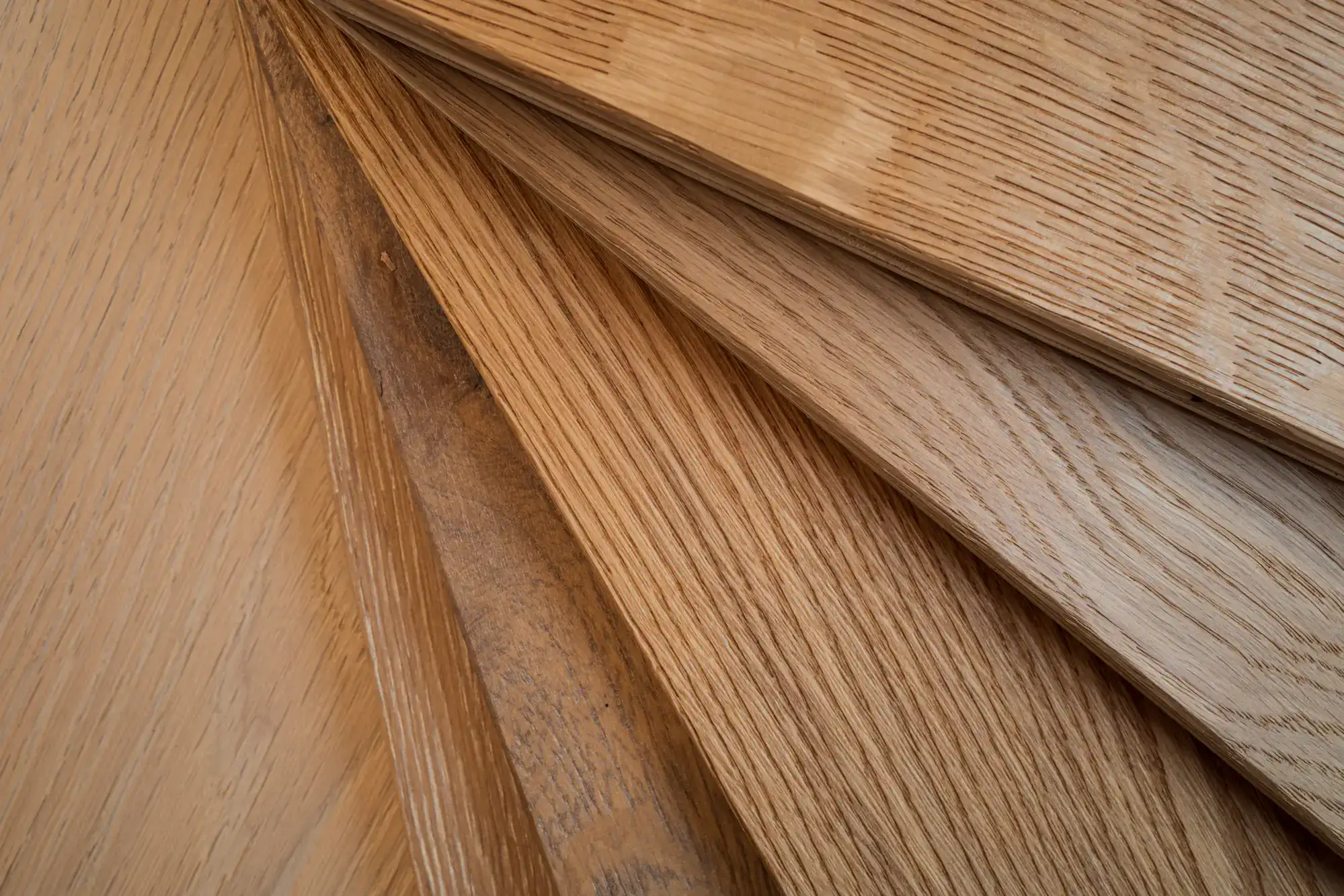
The most reliable way to tell is to look at the edge of a board where it meets a vent, a threshold, or a doorway. Solid hardwood shows a consistent wood grain all the way through. Engineered hardwood shows a thin veneer layer on top with a plywood or composite core beneath it. If you can’t easily check, a professional assessment before any work is scheduled will give you a definitive answer and that’s exactly how we approach every job in Fairland before making a recommendation.
Nationally, professional hardwood floor refinishing runs between $3 and $8 per square foot for traditional sanding and refinishing, with dustless refinishing typically coming in at $5 to $8 per square foot. Most complete projects land somewhere between $1,100 and $2,700 depending on the size of the space, the condition of the floor, and what’s involved.
Several factors affect where your project falls in that range. The condition of your floors matters if boards need repair before refinishing can begin, that adds to the scope. Changing the stain color is more involved than refreshing a clear coat. Furniture that needs to be moved adds time. And dustless sanding equipment, which dramatically reduces airborne particulate during the job, is worth asking about if you have children, pets, or anyone in the home with respiratory sensitivities. The best way to get an accurate number for your specific Fairland home is to have the floors assessed directly square footage and condition will drive the estimate more than anything else.
It depends on the wear layer the thin hardwood veneer on top of the engineered core. If that layer is approximately 3mm or thicker, there’s usually enough material to sand and refinish the floor. If it’s thinner than that, sanding risks cutting through the veneer entirely, which would require replacement rather than restoration.
Many Fairland homes built in the late 1980s and early 1990s have engineered floors that fall right in that borderline range, which is exactly why a proper assessment matters before any work begins. If full refinishing isn’t an option, recoating applying a fresh topcoat without sanding can still restore the appearance and add a layer of protection. Targeted board replacement is another option when only a section of the floor is damaged. The goal is always to find the most cost-effective path that actually holds up.
A typical hardwood floor refinishing project takes anywhere from three to five days from start to finish, depending on the size of the space, how many coats of finish are applied, and how long each coat needs to dry between applications. Drying time isn’t just a waiting game it’s a technical step, and in the DC metro area, humidity levels during summer months (which average around 75% relative humidity in Fairland from August through October) can extend cure times if the conditions aren’t properly managed.
Light foot traffic is usually possible within 24 hours of the final coat, but you’ll want to wait 48 to 72 hours before moving furniture back in, and closer to a full week before placing area rugs. The finish continues to harden for up to 30 days after application, so avoiding heavy furniture and abrasive contact during that window protects the work. Your specific timeline will be laid out clearly before the project starts.
The clearest sign is when the finish itself is failing not just dirty, but actually worn through. If you’re seeing dull patches that don’t respond to cleaning, scratches that go below the surface sheen, or areas where the bare wood is visible (often near entryways, in front of kitchen sinks, or along high-traffic hallways), the finish is gone and the wood underneath is now exposed to moisture and wear without protection.
In Fairland’s climate, that exposure compounds quickly. Summer humidity causes unprotected wood to absorb moisture and swell; winter forced-air heat pulls that moisture back out and causes the wood to contract. Over time, that cycle leads to cupping, gapping, and cracking that’s much more expensive to address than a refinish done at the right time. If your floors are more than 10 years past their last professional refinish or if they’ve never been refinished at all, which is common in Fairland homes built in the 1980s it’s worth having them assessed before the damage moves beyond what sanding and refinishing can fix.
Other Services we provide in Fairland