“
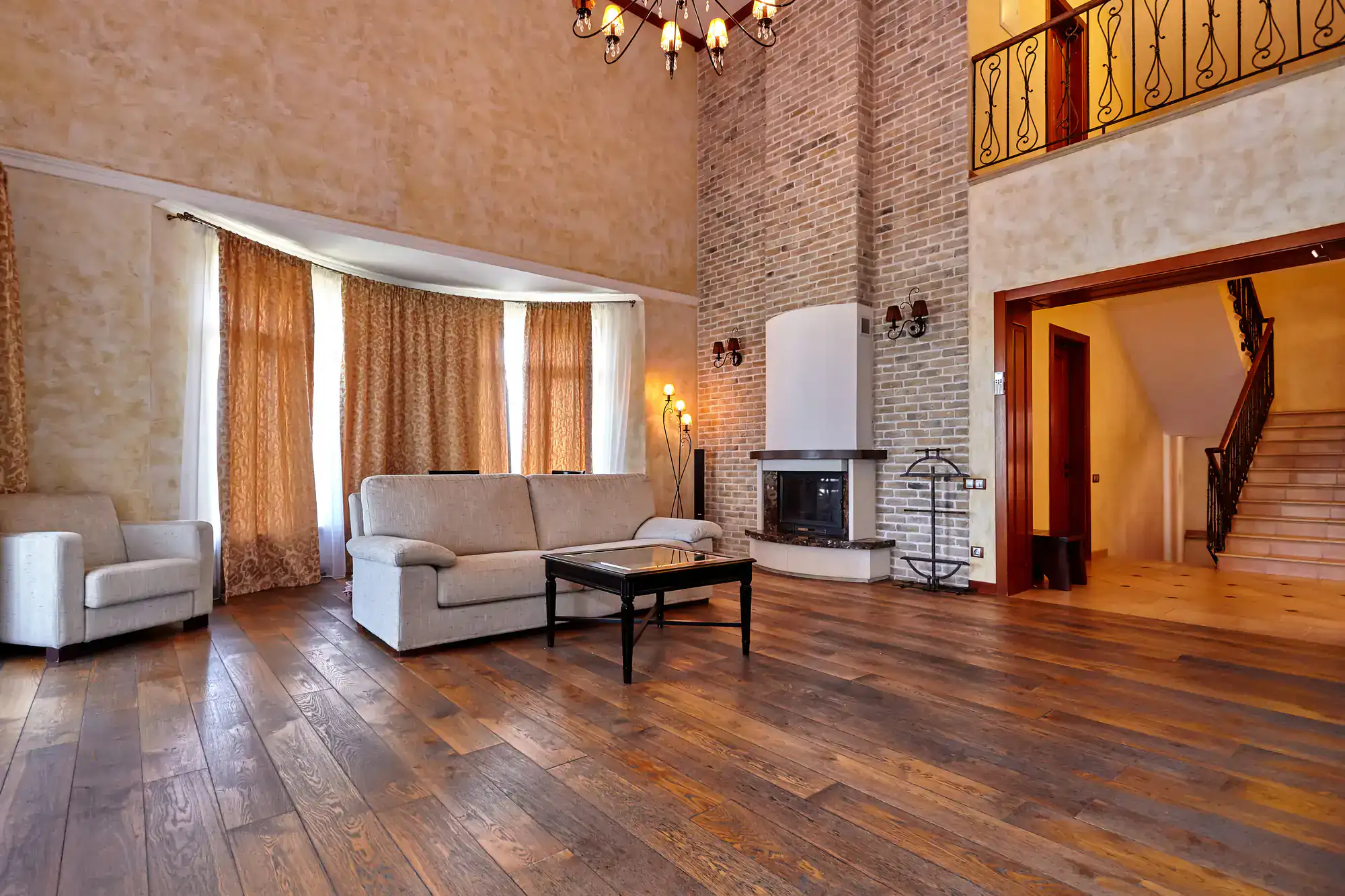
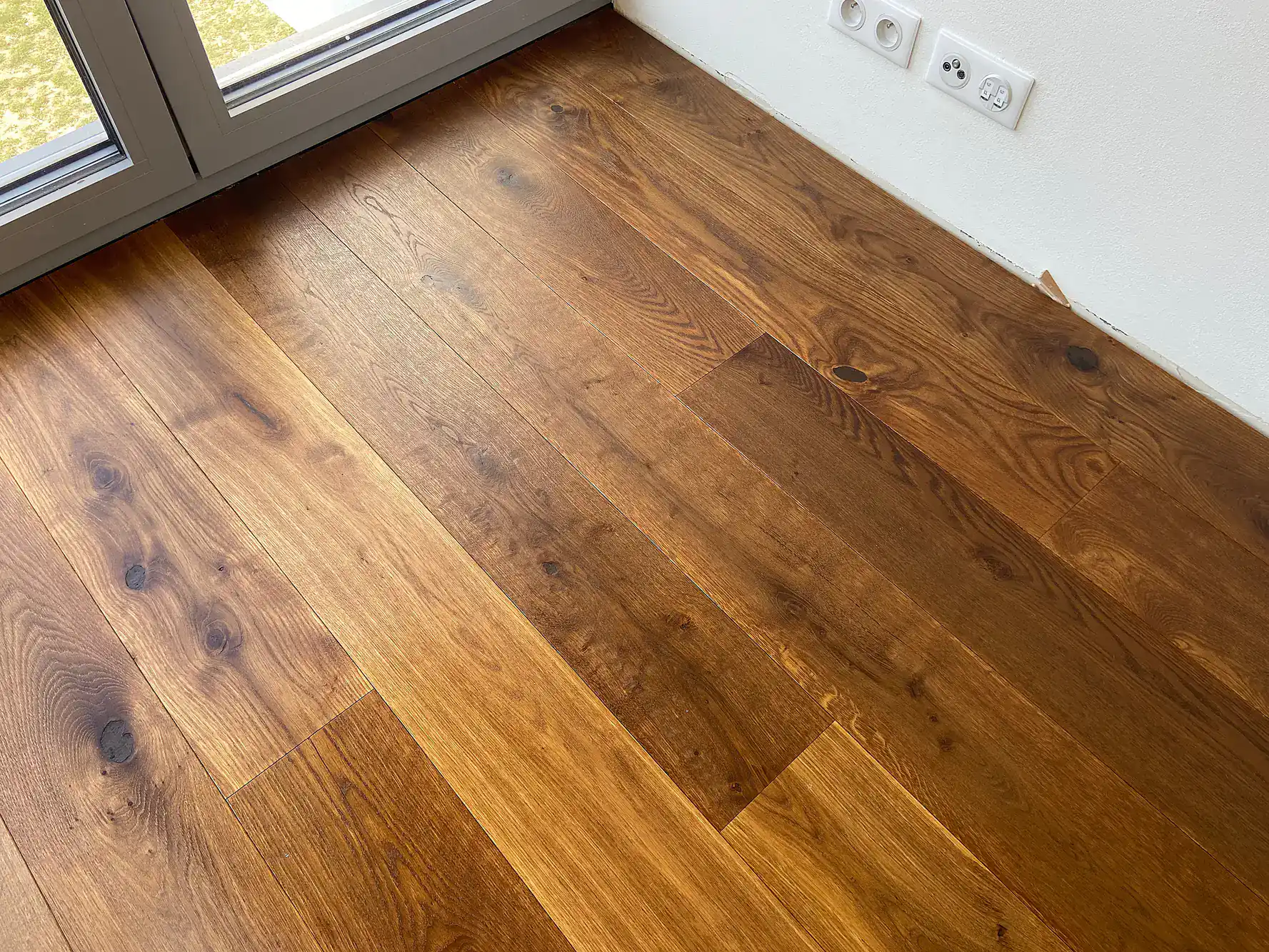
Most of the homes in Olney Mill, Hallowell, and Cashell Manor were built with solid oak floors that have spent decades under carpet, behind furniture, or just quietly dulling under daily foot traffic. When we restore those floors properly sanded, stained, and finished the difference isn’t subtle. We’re not patching something. We’re restoring something that was built to outlast the house around it.
Olney’s climate is harder on hardwood than most homeowners realize. Summers along the Georgia Avenue corridor push humidity well above 80%, and winters pull indoor air bone dry. That seasonal swing causes wood to expand and contract, which stresses the finish coating year after year. A professional refinish doesn’t just make your floors look better it puts a fresh, properly cured protective layer between the wood and the next 20 years of Maryland weather.
If you work from home and roughly one in four Olney residents does your floors are part of your daily environment in a way they simply aren’t for commuters. Scratches, worn traffic lanes, and faded patches aren’t background noise when you’re looking at them all day. Getting them right changes how the space feels to work in, and how it looks on every video call you take from your main level.
We’ve been working in Montgomery County homes for over 50 years which means we were refinishing floors in communities like Olney before most of the area’s current contractors were in business. That’s not a throwaway credential. It means we’ve worked on the exact housing types that define Olney: large colonials, split-levels, ramblers homes built in the 1970s and 1980s with original hardwood that still has decades of life left in it when treated right.
Gordon Franks, our owner, personally oversees every job. You won’t meet him at the estimate and then never hear from him again. He stays in the loop from start to finish, which is exactly what 300-plus recommendations on DC Consumers’ Checkbook reflects a track record built on people getting what they were told they’d get.
We hold an active Maryland MHIC license number 28145, along with DC and Virginia licenses, and we carry full insurance that protects you not just the crew in the event something goes wrong. Those aren’t formalities. In a market like Olney, where homeowners do their homework, they matter.
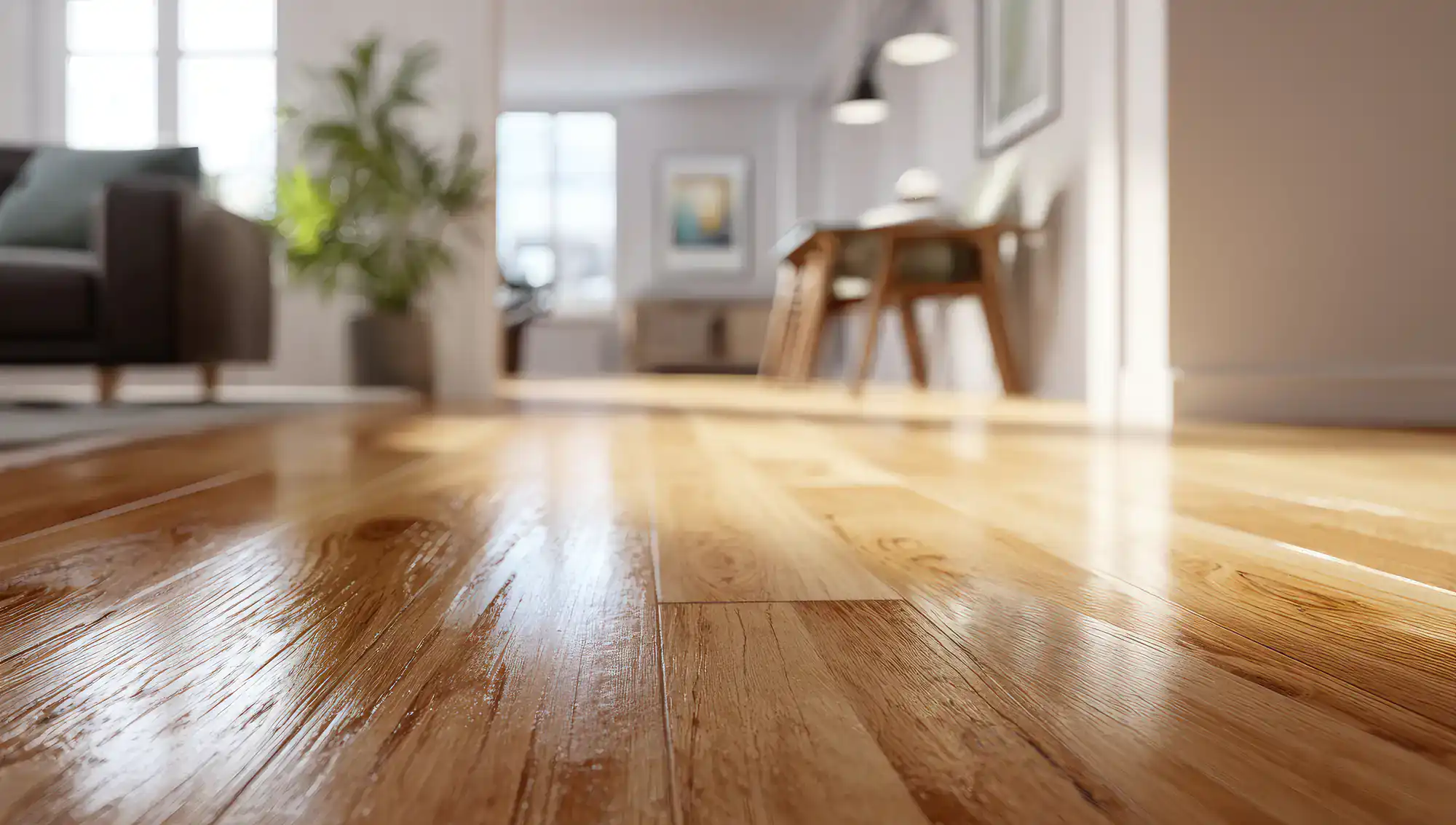
It starts with an honest assessment. Before any sanding happens, we conduct a thorough inspection checking for damaged or warped boards, evaluating the wear layer if you have engineered hardwood, and identifying any repairs that need to happen before refinishing begins. In Olney’s older housing stock, it’s common to find boards that have cupped slightly from years of seasonal humidity swings, and those need to be addressed before the sander ever touches the surface.
Once repairs are handled, sanding moves through multiple grits coarser passes to remove the old finish and level the surface, finer passes to prepare the wood for staining. If you’re changing the color of your floors, we use a process called water popping to open the wood grain and help the stain absorb evenly. This step is what separates a clean, consistent color from a blotchy result, and it’s one of the things that gets skipped when corners are cut.
After staining, the finish goes on in multiple coats, with humidity monitoring between each one. That last part matters more in Olney than in drier climates applying a finish coat when the air is too humid slows curing and can affect how the finish bonds to the wood. The whole process typically wraps up within a few days, and Montgomery County doesn’t require a permit for standard hardwood floor installation or refinishing when no structural changes are involved, so there’s no waiting on county approvals before work can begin.
Ready to get started?
We handle the full range of hardwood flooring work hardwood floor installation for new builds or full replacements, wood floor refinishing for floors that have years of life left in them, hardwood floor sanding, hardwood floor repair for damaged or isolated boards, and engineered hardwood flooring assessment and refinishing where the wear layer allows for it.
That last one comes up often in Olney. Homes built or remodeled in the 1990s and early 2000s frequently have engineered hardwood rather than solid wood, and a lot of homeowners assume that means refinishing isn’t an option. Whether it is depends on how thick the wear layer is typically three millimeters or more qualifies for a full sand and refinish. Thinner than that, and recoating or targeted repair may be the smarter call. We evaluate this upfront and give you a straight answer rather than defaulting to the more expensive option.
For homeowners in subdivisions like Olney Mill or Brooke Grove who are preparing to list, the math on refinishing is worth knowing. Refinishing costs a fraction of full floor replacement and consistently returns strong value at resale in a market where median home prices sit in the $650,000 to $750,000 range. Whether you’re getting ready to sell, settling in for the long term, or just tired of looking at floors that don’t match the rest of your home, the starting point is the same: an honest look at what you have and what it’s actually worth saving.
No Montgomery County Department of Permitting Services explicitly exempts hardwood floor installation and refinishing from permit requirements when no structural changes are involved. Because Olney is an unincorporated community, it falls under county jurisdiction rather than a separate municipal authority, so there’s no additional local layer of approvals to navigate. You don’t need to wait on county sign-offs before work begins, and there are no permit fees tied to a standard refinishing or installation project.
That said, if your project involves subfloor repairs, structural modifications, or work that goes beyond the floor surface itself, different rules may apply. We flag this during the initial assessment rather than discovering it mid-job. We hold an active Maryland MHIC license number 28145 and are familiar with Montgomery County’s permitting requirements, so if something in your project does require county involvement, you’ll know before work starts.
It depends on the wear layer, and the only way to know for certain is to have someone measure it. Engineered hardwood with a wear layer of roughly three millimeters or more can typically be sanded and refinished the same way solid hardwood can. Thinner than that, and a full refinish risks sanding through to the core material at which point you’d be looking at replacement rather than restoration. Many homes in Olney built or updated during the 1990s and early 2000s have engineered floors, and the answer genuinely varies from one product to the next.
If your wear layer doesn’t qualify for a full refinish, that doesn’t mean you’re out of options. Recoating applying a fresh topcoat without sanding down to bare wood can significantly improve the appearance of engineered floors that are dull or lightly scratched but structurally sound. For isolated damage, board-by-board repair or section replacement may be the most cost-effective path. We evaluate all of this during the initial walkthrough and give you a clear recommendation based on what’s actually there, not on what generates the most work.
A standard refinishing project typically runs three to five days from start to finish, though the timeline varies depending on the square footage, the number of finish coats, and how long each coat needs to cure before the next one goes on. In Olney’s humid summer months, curing can take longer than it would in drier conditions which is one reason we monitor humidity between coats rather than working on a fixed schedule. Rushing that step is one of the most common causes of finish failure.
For the rooms being refinished, you’ll need to stay off the floors while the finish cures typically 24 hours before light foot traffic and longer before moving furniture back in. Whether you need to vacate the home entirely depends on the size of the project, the finish products being used, and your household’s sensitivity to fumes. Families with young children or pets often choose to stay elsewhere during the active work days. We’ll walk you through what to expect before work begins so you can plan around it not figure it out after the fact.
In most cases, refinishing is the smarter financial move especially in Olney’s price range. With median home values running between $650,000 and $750,000, buyers at that level notice floor condition immediately, and worn or dull floors create an impression that’s hard to walk back even with a price reduction. Refinishing typically costs a fraction of full replacement and returns strong value at resale the return on refinishing hardwood floors consistently outperforms most other pre-sale improvements on a cost-to-value basis.
The exception is when the floors are genuinely beyond refinishing too thin from previous sanding passes, structurally damaged across a large area, or so heavily repaired that consistency is impossible to achieve. If more than a third of the boards need replacement, a full floor replacement may make more sense than trying to refinish around the damage. The right answer depends on what’s actually in front of you, which is why a walkthrough before you commit to anything is worth doing. We’ll tell you honestly which direction makes more sense for your specific floors and your timeline.
Refinishing involves sanding the floor down to bare wood removing the old finish, any staining, and a thin layer of the wood surface itself before applying new stain and multiple finish coats. It’s the more involved process, and it’s what’s required when floors have deep scratches, significant wear patterns, or when you want to change the color entirely. Because it removes material from the wood surface, solid hardwood can only be refinished a limited number of times over its lifespan before the boards become too thin.
Recoating is a lighter process. It cleans and lightly abrades the existing finish surface, then applies a fresh topcoat without sanding down to bare wood. It works well for floors that are dull or showing minor surface wear but don’t have deep scratches or finish failure. It’s faster, less disruptive, and less expensive but it won’t fix color inconsistencies, deep gouges, or floors where the existing finish has already started to peel or flake. If you’re not sure which one your floors actually need, that assessment is part of what we do before quoting any work.
Olney sits in a climate that puts real stress on hardwood floors year-round. Summer humidity regularly climbs above 80%, which causes wood to absorb moisture and expand. Winter indoor air gets very dry, which causes the same boards to release moisture and contract. That repeated expansion and contraction is normal for wood it’s not a defect but over years and decades, it wears on the finish coating, opens gaps between boards, and can cause surface checking or slight cupping in floors that aren’t properly maintained.
The practical effect is that Olney homeowners tend to see finish wear faster than people in more stable climates, particularly on main-level floors that also get heavy daily foot traffic. Refinishing at the right point before the finish breaks down to the point where bare wood is exposed to moisture protects the floor from damage that’s much harder and more expensive to fix later. It’s also why the finish application process matters as much as the sanding. Applying finish coats in the right humidity window, and allowing proper cure time between coats, is what determines whether a refinish holds up for 10 years or starts showing wear in three. That discipline is built into how we work, not treated as optional.
Other Services we provide in Olney