“
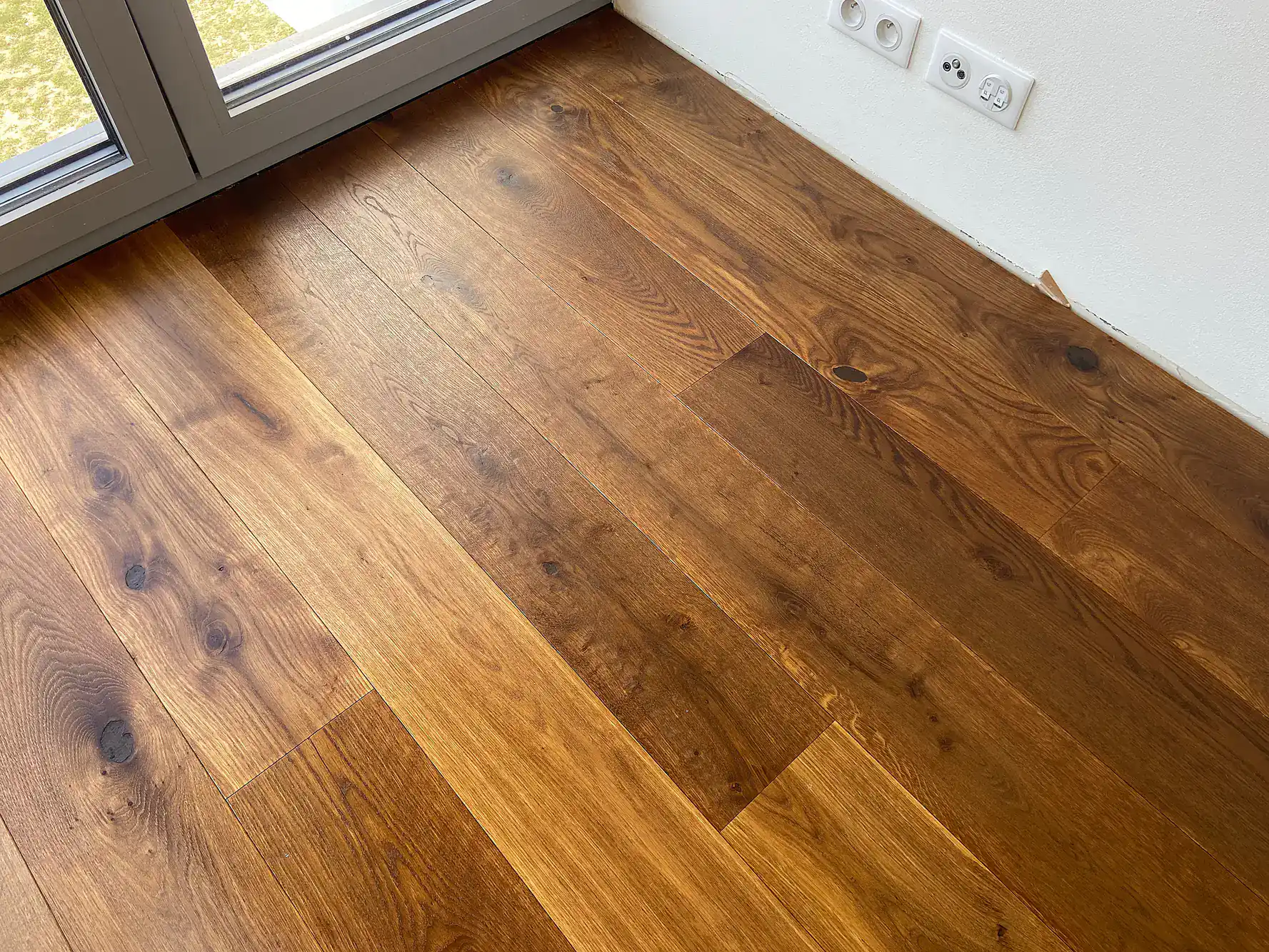
Most homes in White Oak were built between the 1960s and early 1980s. That means a lot of original hardwood floors are still underneath the carpet, vinyl, or layers of old finish that have accumulated over the decades. Those floors aren’t ruined they’re just waiting. When they’re properly sanded, stained, and finished, they come back looking better than most people expect.
The bigger issue in this area is what happens between refinishing jobs. White Oak sits squarely in the DC metro humidity cycle summers regularly push relative humidity past 80%, and then winter heating drops indoor humidity below 30%. That seasonal swing is hard on wood. Floors that have a worn or compromised finish absorb that moisture, and you start seeing cupping, gaps, and surface damage that gets worse every year. A proper refinish doesn’t just improve the look it puts a protective barrier back on the wood that keeps it stable through the season changes.
For landlords managing rental units along the Route 29 or New Hampshire Avenue corridor, refinished floors also mean faster tenant turnover. A unit with clean, restored hardwood moves quicker and commands better rent than one with scuffed, dull flooring. That’s not a cosmetic argument it’s a financial one.
We’re based in Bethesda about 8 to 10 miles from White Oak via I-495 and New Hampshire Avenue. Optima Design Group has been operating in the DC metro market for over 50 years, which means we were already an established contractor in Montgomery County before most of White Oak’s current housing stock was built.
Owner Gordon Franks personally supervises crews and stays in direct contact with clients from the first call through the final walkthrough. That’s not how most contractors operate, and it shows in the results. We hold over 300 recommendations on DC Consumers’ Checkbook a paid-subscription review platform that the professional community in White Oak, including the thousands of federal employees and contractors at the nearby FDA campus, tends to trust far more than a generic Google review count.
We hold active licenses in Maryland (MHIC # 28145), DC (License # 39937921), and Virginia (License # 2705077763), and are fully insured. Those aren’t marketing claims they’re verifiable facts, and the numbers are published.
It starts with an honest assessment. Before any sanding happens, the floor gets inspected board condition, finish depth, whether there’s been any moisture damage, and whether the floor is solid hardwood or an engineered product. In White Oak’s apartment and townhome stock, engineered hardwood is common, and the right next step depends on the thickness of the wear layer. Some engineered floors can be fully refinished; others are better candidates for recoating or targeted repair. You’ll know which category yours falls into before any work begins.
If refinishing is the right call, the process moves through multiple sanding grits to remove the old finish and level the surface, followed by repairs to any damaged boards. Stain is applied if you’re changing the color, and then multiple finish coats go down with proper drying time between each one. In the DC metro area, humidity monitoring between coats isn’t optional it’s how you avoid a finish that bubbles, peels, or cures unevenly.
For hardwood floor installation in White Oak, we acclimate the wood to your home’s specific humidity level before installation begins a step that matters a great deal in this climate and one that shortcuts lead to problems down the road.
Ready to get started?
We handle the full range of hardwood flooring work: hardwood floor installation in White Oak, MD for new builds or replacement projects, wood floor refinishing in White Oak, MD for floors that have lost their finish and luster, and hardwood floor repair in White Oak, MD for targeted damage broken boards, water-damaged sections, gaps from seasonal wood movement, or areas where previous work was done poorly.
Hardwood floor sanding in White Oak, MD is part of the refinishing process but also available as a standalone service when a floor needs leveling or prep work before a new finish is applied. For floors that are in decent shape but just look dull, recoating applying a fresh topcoat without full sanding is a faster, lower-cost option that extends the life of the existing finish.
Engineered hardwood flooring in White Oak, MD gets specific attention here because so much of the community’s apartment and townhome stock was built on concrete slabs or in below-grade spaces where solid hardwood isn’t appropriate. Engineered hardwood is the right product for those installations, and whether an existing engineered floor can be refinished depends on the wear layer thickness a detail we’ll assess before recommending anything. As a full-service general contractor, we can also coordinate flooring work alongside painting, tiling, or remodeling if you’re doing a broader renovation one call instead of three.
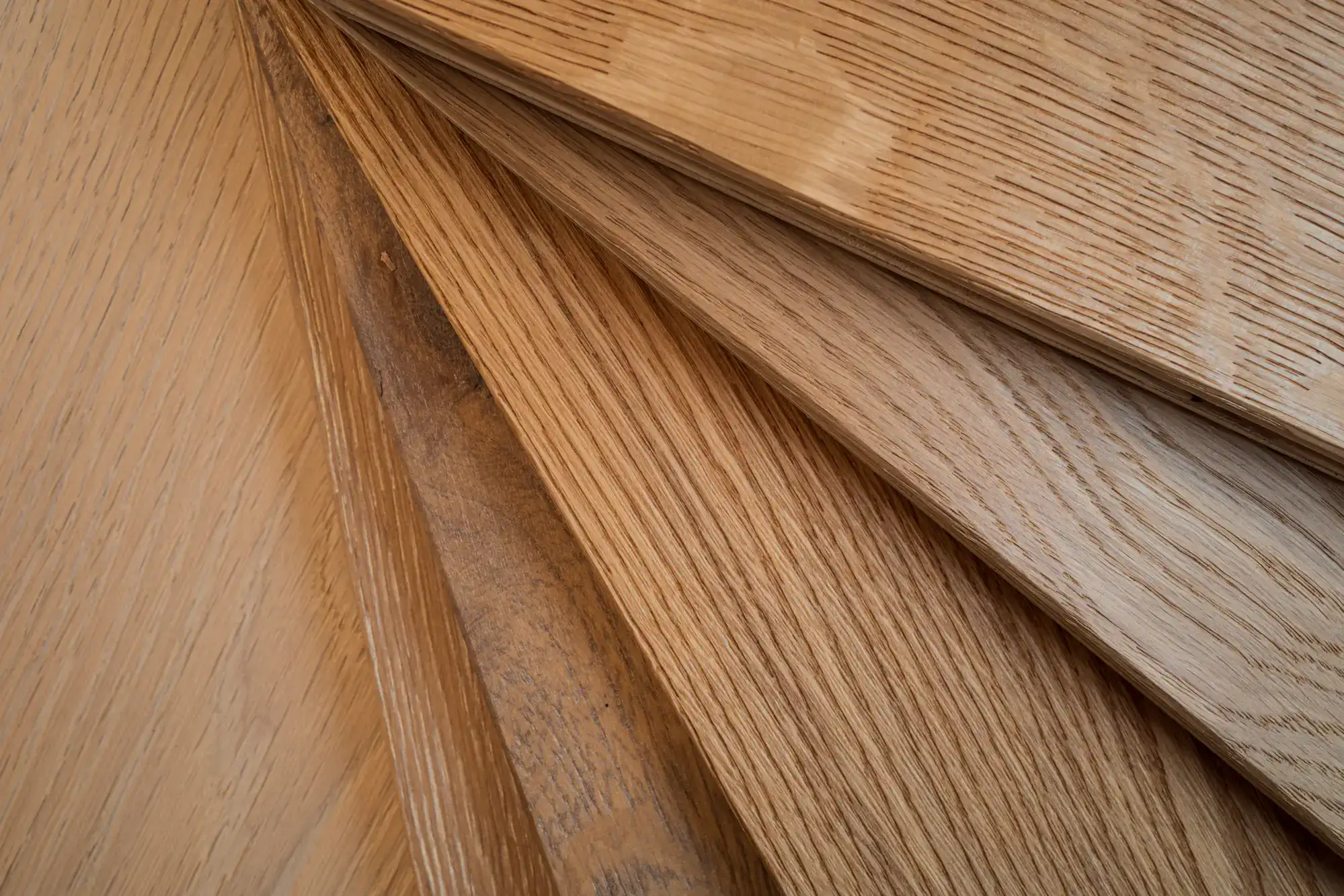
Almost certainly yes and in many cases, floors from that era are actually better candidates for refinishing than newer ones. Solid hardwood installed in the 1960s and 1970s was typically thicker than what’s standard today, which means it has more material available to sand down before you reach the tongue-and-groove. White Oak’s median apartment was built in 1974, and the houses from that period commonly had solid oak or similar species laid as standard construction. Even floors that have been refinished once or twice before likely still have enough thickness for another round.
The main variables are the current finish condition, whether there’s been any significant moisture damage from White Oak’s humid summers, and whether previous refinishing work was done correctly. A floor with deep gouges, severe cupping from water exposure, or boards that have been sanded unevenly in the past may need some board replacement before refinishing makes sense. That’s assessed during the initial inspection you’ll get a straight answer about what the floor can and can’t support before any commitment is made.
The honest answer is that refinishing is the right call in the majority of cases, and the cost difference is significant. Professional hardwood floor refinishing runs $3 to $8 per square foot nationally, while full replacement involves both materials and labor that push costs considerably higher. If your floors are solid hardwood and the boards themselves are structurally sound meaning they’re not rotted, severely warped, or missing refinishing will restore them to a condition most people can’t distinguish from new.
Replacement starts to make more financial sense when more than 30 to 40 percent of the boards need to be replaced anyway, at which point you’re paying for most of the disruption of a full install without the benefit of starting fresh. It also makes sense when you’re dealing with a floor that’s been refinished to the point where there’s no material left to sand solid hardwood can typically handle four to five refinishing cycles over its lifespan. If you’re not sure which situation applies to your floor, the assessment at the start of the project will give you a clear picture.
It’s one of the more underappreciated factors in this area. The DC metro humidity cycle where summer outdoor humidity regularly exceeds 80% and then indoor humidity in winter can drop below 30% when heating systems run puts real stress on wood. Hardwood is a natural material that absorbs and releases moisture, and that movement causes the boards to expand in summer and contract in winter. Over time, that cycle creates visible gaps between boards in winter, and in severe cases, cupping or crowning of the boards themselves.
A properly applied finish is what protects the wood from absorbing that ambient moisture too quickly. When the finish wears through which happens in high-traffic areas first the wood underneath starts responding directly to the humidity changes. That’s when you start seeing accelerating damage. Refinishing at the right time, before the finish is completely gone, is the most cost-effective way to stay ahead of it. Waiting until the boards are visibly damaged means more repair work before refinishing can happen, which adds to the cost and timeline.
It depends on the wear layer the top hardwood veneer that sits above the plywood or composite core. If the wear layer is 3mm or thicker, the floor can typically be sanded and refinished at least once. Many engineered floors installed in White Oak’s apartment and townhome stock, particularly in properties built in the 1980s and 1990s, do meet that threshold. The challenge is that you can’t tell from looking at the floor surface it requires measuring the wear layer, which we do during the initial inspection.
If the wear layer is thinner than 3mm, full refinishing isn’t an option, but that doesn’t mean the floor is stuck. Recoating applying a fresh finish coat without sanding down to bare wood can restore the appearance and add a protective layer without removing material. For floors with localized damage, targeted board replacement followed by refinishing the affected area is another option. The goal is to give you the most cost-effective path to a floor that looks and performs well.
A typical refinishing project takes three to five days from start to finish, though the timeline depends on the square footage, the number of finish coats being applied, and the drying conditions. In the DC metro area, summer humidity can extend drying times between coats water-based finishes perform better in high-humidity conditions and typically dry faster than oil-based options, which is worth factoring in if you’re scheduling work during a White Oak summer.
You don’t necessarily need to vacate your entire home, but the rooms being refinished will be off-limits while the finish cures. Most people move furniture out of the affected rooms, stay off the floors for at least 24 to 48 hours after the final coat, and avoid replacing rugs or heavy furniture for about a week to let the finish fully harden. If you’re refinishing a large portion of the house simultaneously, planning to stay elsewhere for the first couple of nights is the more comfortable option. Our crew will give you a specific timeline and clear instructions before work begins so you can plan around it.
Yes we hold Maryland Home Improvement Commission License # 28145, which is the state-level license required for all home improvement contractors working in Maryland, including Montgomery County and White Oak specifically. The license number is published on our website and verifiable through the Maryland Home Improvement Commission’s public database. That matters because White Oak is an unincorporated area governed directly by Montgomery County, so state licensing is the applicable standard there’s no separate municipal license required, but the MHIC license is non-negotiable for any legitimate contractor doing work here.
Beyond Maryland, we also hold a DC license (# 39937921) and a Virginia license (# 2705077763). For White Oak residents who own property in multiple DMV jurisdictions, or who simply want to know their contractor is operating legally and fully insured, those credentials are worth checking. We’re also fully insured, with coverage that protects you not just us in the event of damage or injury during the project. Asking any contractor for proof of licensing and insurance before work begins is a reasonable and recommended step.
Other Services we provide in White Oak