
“
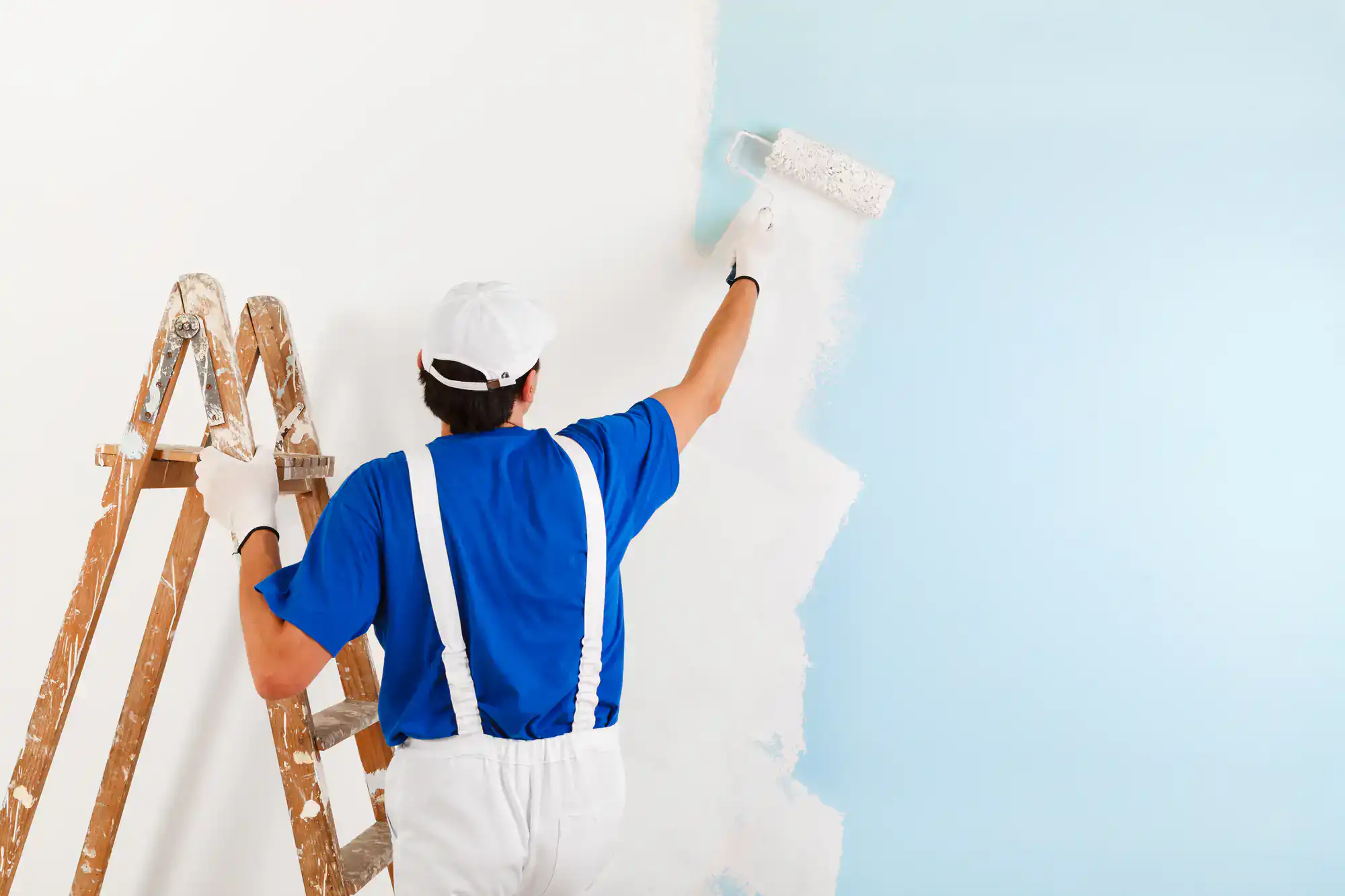
When the job is done well, you stop thinking about it. The exterior holds through another D.C. winter, another humid August, another round of freeze-thaw cycles that stress every seam and joint on a 1930s Colonial. You’re not calling anyone back six months later because the paint is already lifting at the window trim.
That’s what proper preparation actually buys you not just a better-looking home, but one that stays that way. Chevy Chase View’s tree canopy is one of the things that makes this neighborhood what it is, but dense shade and the moisture it holds can accelerate mildew and adhesion failure on north-facing surfaces. We account for this before the first coat goes on, not after.
Interior painting delivers its own kind of return. A refreshed interior in a home you plan to stay in for the next decade changes how the space feels every single day. For homeowners in Chevy Chase View who are renovating older rooms updating kitchens, refinishing cabinets, or refreshing spaces that haven’t been touched since the previous owners the result of doing it right is immediately obvious. The difference between a professional finish and a rushed one shows up within weeks.
We were founded in 1973 by Gordon Franks not as a corporate venture, but as a way to fund his education while doing work he was genuinely good at. That origin matters because it set the tone for how we’ve operated ever since: skilled people, careful work, and a reputation built one job at a time.
We’re headquartered in Bethesda, just a few miles south of Chevy Chase View along Connecticut Avenue. That proximity means the crew that shows up at your door knows this corridor, knows the housing stock, and has almost certainly worked on homes just like yours. We hold a Maryland MHIC license (#28145), a D.C. contractor license (#39937921), and a Virginia license (#2705077763) all verifiable, all current.
More than 300 homeowners have recommended us on Washington D.C. Consumers’ Checkbook. That’s not a free review platform it’s a paid-subscription nonprofit that D.C.-area residents use precisely because it’s harder to game. If you already know what Consumers’ Checkbook is, you know what that number means.
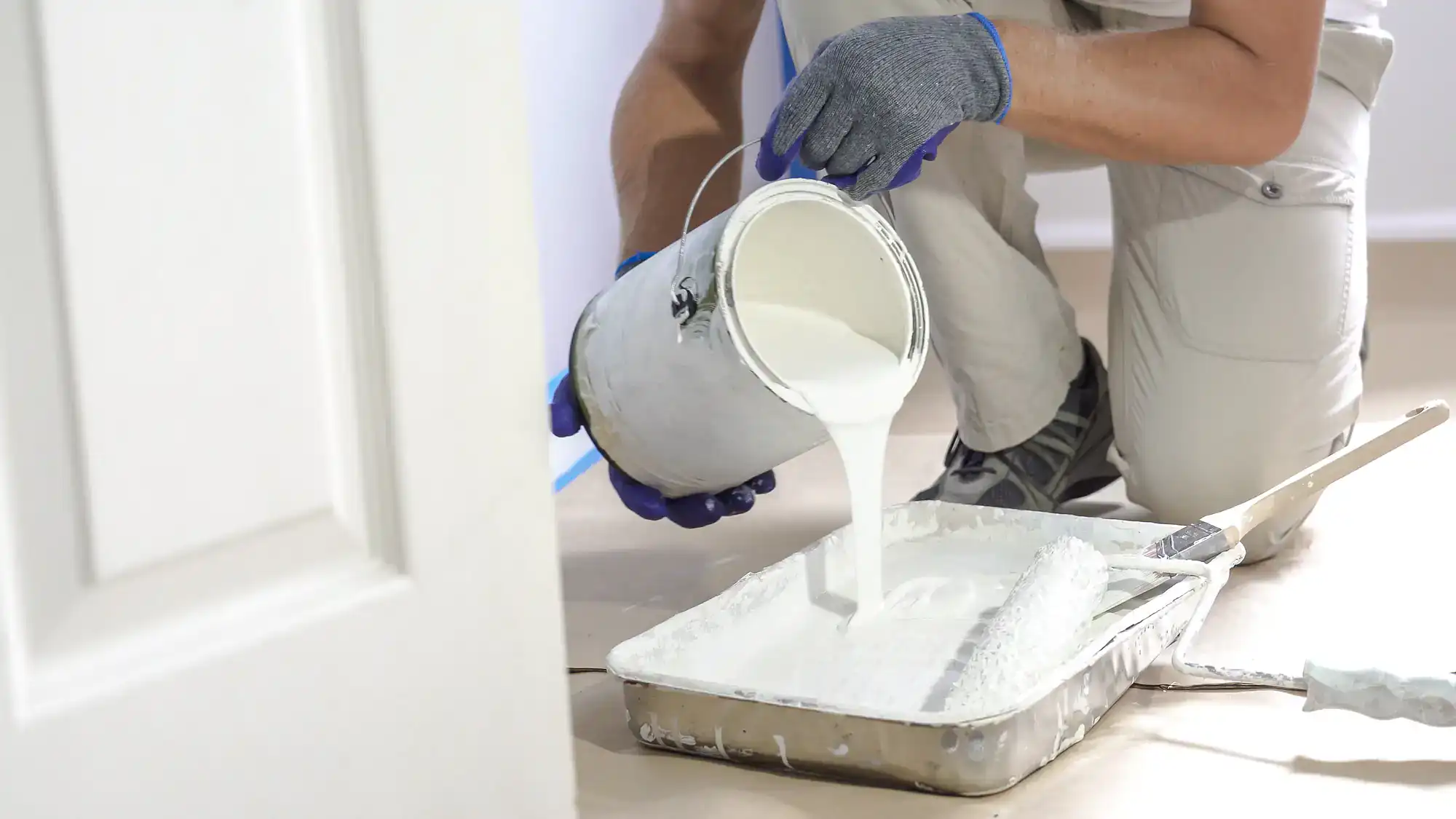
It starts with a detailed written estimate. Not a ballpark over the phone, not a number scribbled on a card a documented scope that tells you what’s included, what products we’ll use, and what the timeline looks like. That’s our standard, and it’s what lets you make an informed decision before anything starts.
Once you move forward, the prep work begins. For homes in Chevy Chase View most of which were built between the 1920s and 1950s this phase is where the job is actually won or lost. We clean, scrape, sand, and caulk surfaces thoroughly. Failed caulk at window frames and trim joints gets replaced. Any surfaces showing signs of moisture damage or adhesion failure are addressed before paint goes anywhere near them.
If lead-based paint is present, as it commonly is in homes of this age, we follow EPA Renovation, Repair and Painting (RRP) guidelines. We offer explicit lead paint removal services this is not something we refer out.
Exterior timing matters in this climate. We apply paint when temperatures and humidity are within range for proper adhesion not just when it’s convenient. Spring and fall are the strongest windows for exterior work in the D.C. metro area. Interior painting runs year-round. After the job wraps, we clean up completely. What you’re left with is the finished result not a project site.
Ready to get started?
We handle the full range of residential painting interior and exterior painting, cabinet painting and refinishing, ceiling painting, deck staining, door painting, decorative and faux painting, and lead paint removal. For homes in Chevy Chase View, that last service is particularly relevant. Virtually every home in this community predates the 1978 federal lead paint ban, often by several decades. Having a contractor who can identify, handle, and remove lead-based paint rather than paint over it and move on is not a minor detail.
Cabinet painting is worth calling out separately. In a community where full kitchen renovations can run $30,000 to $60,000 or more, professional cabinet painting delivers a genuinely dramatic result at a fraction of that cost. The key is in the process: proper degreasing, sanding, priming, and finish-coat application produce a result that holds up for years. A brush-and-roll job without that prep won’t last and it won’t look right from the start.
For exterior work on Chevy Chase View’s Colonial Revival and Tudor Revival homes with their detailed millwork, multi-pane windows, and masonry or wood siding the preparation process is more involved than on newer construction. Caulking, patching, and priming on surfaces that have been moving through D.C. freeze-thaw cycles for eighty or ninety years takes time and attention. That’s exactly where our commitment to never cutting a single corner shows up in the finished product.

If your home was built before 1978, it may contain lead-based paint and in Chevy Chase View, where the housing stock dates primarily to the 1920s through 1950s, that applies to virtually every property in the community. The federal EPA Renovation, Repair and Painting (RRP) Rule requires that contractors working on pre-1978 homes follow specific lead-safe work practices during any project that disturbs painted surfaces.
What this means practically is that you should ask any painter you’re considering whether they are familiar with RRP requirements and whether they offer lead paint removal as a service not just lead-safe painting practices. We explicitly offer lead paint removal, which means we are equipped to handle situations where existing lead paint needs to come off entirely, not just be painted over. This is a meaningful distinction for older homes in Chevy Chase View where multiple layers of accumulated paint may include lead-based coatings beneath the surface.
Before signing any contract, confirm that your painter understands the specific obligations that apply to pre-1978 housing and can document their compliance. This protects your family and ensures the work is done correctly.
A properly prepared and applied exterior paint job should last seven to ten years in the D.C. metro climate. The operative word is “properly.” Chevy Chase View’s environment puts real stress on exterior paint humid summers where relative humidity regularly exceeds seventy to eighty percent, freeze-thaw cycles in late winter that expand and contract wood siding and stress caulk joints, and the moisture retention that comes with a dense tree canopy shading portions of the home.
On north and east-facing surfaces that stay shaded, mildew can become a factor faster than homeowners expect. On south and west exposures, UV degradation and heat cycling do their own damage. A painter who accounts for these variables during prep cleaning thoroughly, replacing failed caulk, priming correctly for the surface type gives the paint film the best chance of holding through those conditions for the full expected lifespan.
If your last exterior paint job is starting to chalk, fade, or show cracking at the trim joints, that’s the signal. Waiting until paint is actively peeling means the underlying wood or masonry has already been exposed to moisture, which adds scope and cost to the next project.
For homes built in the 1920s through 1950s which describes most of Chevy Chase View exterior prep is a multi-step process that takes more time than on newer construction. It starts with a thorough cleaning to remove dirt, mildew, and chalking from the existing paint surface. Then comes scraping: any paint that has lost adhesion needs to come off before new paint goes on top, because painting over a failing surface just delays the inevitable.
After scraping, we sand surfaces smooth where needed, and caulk all gaps, cracks, and open joints. This is especially important around window frames, door casings, and trim intersections the places where wood movement over decades has opened up gaps that allow moisture to get behind the paint film. Bare wood and repaired areas are primed before the finish coats go on. On a home with detailed Colonial or Tudor millwork, this process takes longer than on a simple flat facade and it should.
Skipping or rushing any of these steps is the most common reason exterior paint fails prematurely. A paint job that starts peeling within two years is almost always a prep failure, not a product failure.
For most homeowners, professional cabinet painting is the smarter move and the gap in cost makes that case clearly. A full cabinet replacement in a kitchen can run anywhere from $3,200 on the low end to $20,000 or more, and a full kitchen renovation with new cabinets can reach $30,000 to $60,000 or beyond. Professional cabinet painting typically costs a fraction of that, and when done correctly, the finish lasts seven to fifteen years.
The catch is that “done correctly” matters enormously with cabinets. The process requires proper degreasing to remove cooking residue that prevents adhesion, sanding to create a surface the primer can grip, and applying finish coats ideally sprayed for a smooth, factory-like result. A painter who brushes cabinet paint on without that prep will deliver a finish that chips and peels quickly. It’s not the process that fails it’s the shortcuts.
If your cabinet boxes and layout are functional and you’re happy with the configuration, painting is a genuinely good option. If the boxes themselves are damaged or the layout doesn’t work for how you use the kitchen, that’s a different conversation.
The first thing to verify is licensing. In Maryland, home improvement contractors are required to hold an MHIC (Maryland Home Improvement Commission) license. This is a verifiable credential you can look up any contractor’s license number through the state. An unlicensed contractor working on your home means you absorb liability for on-site injuries and have limited recourse if the work is substandard. Given that homes in Chevy Chase View represent significant financial value, this is not a detail to skip.
Beyond licensing, ask for a written estimate that itemizes what’s included: the prep steps, the paint brand and product line, the number of coats, and the timeline. A contractor who can’t or won’t provide this level of detail is telling you something. Also ask specifically about their approach to lead paint, since virtually every home in this community predates 1978.
On price: the lowest bid almost always reflects something cheaper paint, skipped prep steps, or an uninsured crew. A competitive price from a licensed, insured contractor with a documented track record is a fair price. The cost of redoing a paint job that failed in eighteen months is always higher than the difference between bids.
Spring roughly March through May is the strongest window for exterior painting in the Chevy Chase View area. Temperatures are mild, humidity is moderate compared to summer, and conditions are generally favorable for proper paint adhesion and curing. Homeowners who want exterior work done before the heat and humidity of a D.C. summer should plan to book in late winter to secure a spring slot.
Fall, from September through early November, is a solid secondary window. Temperatures are dropping but typically stay above the minimum threshold for latex paint application generally around fifty degrees Fahrenheit. This is a good option for homeowners who missed the spring season.
Summer exterior painting is possible but more complicated. D.C.-area humidity regularly climbs above seventy to eighty percent in July and August, which can interfere with proper paint adhesion if conditions aren’t carefully managed. Interior painting, by contrast, runs year-round and is a natural fit for summer scheduling when exterior conditions are less predictable. If you’re working with a contractor who is willing to paint your exterior on a ninety-degree, eighty-percent-humidity day without any discussion of conditions that’s worth asking about before the job starts.
Other Services we provide in Chevy Chase View