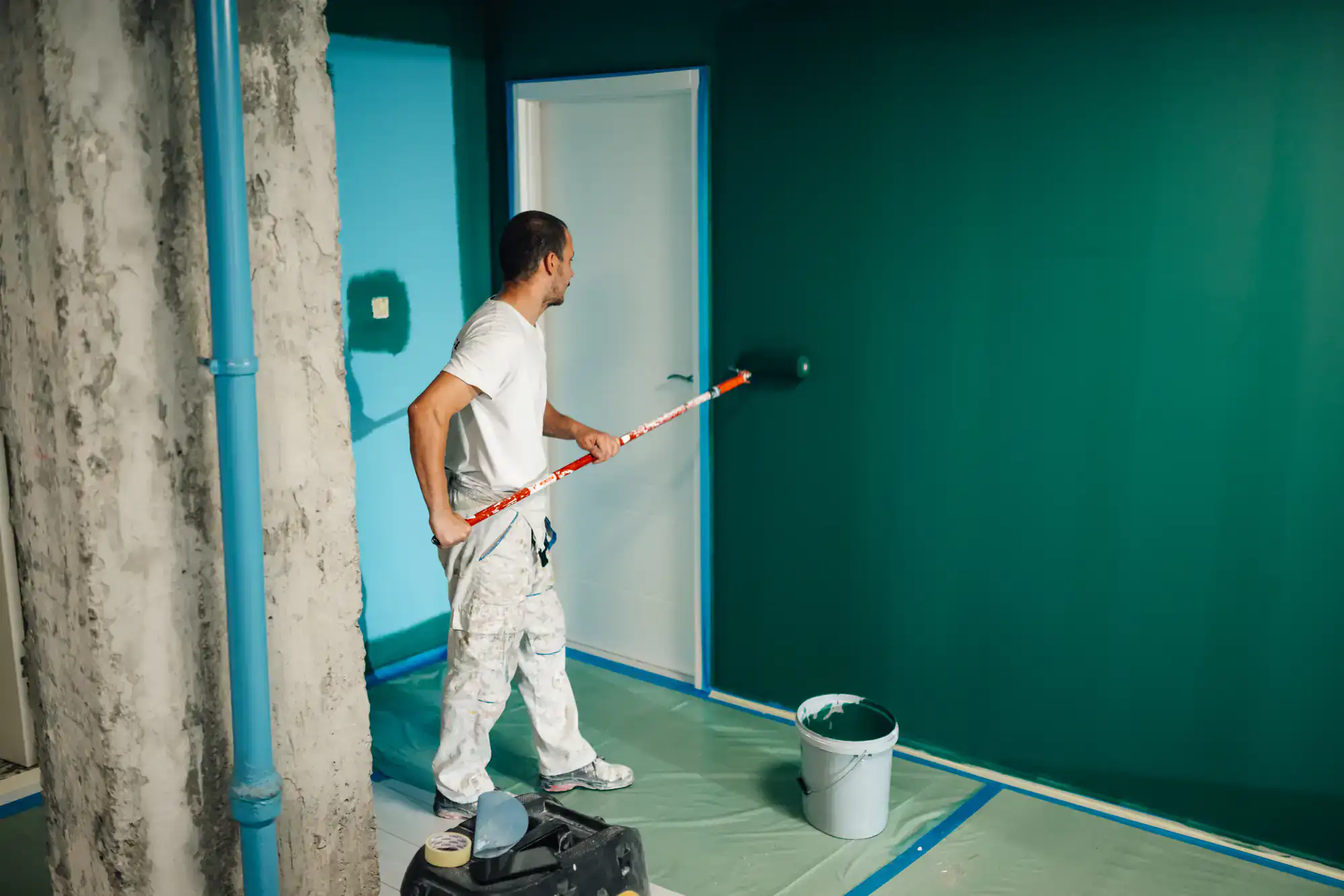
“

When a paint job is done right on a Chevy Chase Village home, you notice it in the details clean lines around original millwork, a finish that holds up through the next round of D.C.-area winters, and an exterior that doesn’t start peeling two years later because someone skipped the prep. That’s what separates a real result from a temporary one.
The housing stock in Chevy Chase Village is genuinely different from most of Montgomery County. These homes were built between the 1890s and 1940s, and they carry architectural details high ceilings, decorative trim, original wood surfaces that a rushed crew can easily damage or simply paint over badly. Getting it right means understanding what you’re working with before a brush ever touches the surface.
There’s also the tree canopy to consider. The mature oaks and maples that frame these streets are one of the things that make Chevy Chase Village what it is but that shade creates a damp microclimate that’s genuinely harder on exterior paint than sun-exposed neighborhoods. Surfaces that stay moist longer attract mildew, lose adhesion faster, and need more thorough preparation upfront. When that prep is done correctly, you get a paint job that actually lasts. When it isn’t, you’re calling someone back within eighteen months.
We were founded in 1973 by Gordon Franks, who started the company while paying his way through the University of Maryland. That origin story matters because it set the tone for how we’ve operated ever since built on craftsmanship, not volume. More than fifty years later, we’re still headquartered in Bethesda, right next door to Chevy Chase Village, and still working on the same kinds of homes we started with.
We hold active licenses in Maryland (MHIC #28145), Washington D.C. (#39937921), and Virginia (#2705077763) a practical necessity for a team working along the Maryland-D.C. border where Chevy Chase Village sits. Those aren’t just credentials to list on a website. They’re the thing that determines whether you have any recourse if something goes wrong on your property.
With 300-plus recommendations on Washington D.C. Consumers’ Checkbook a paid-subscription, nonprofit review platform that D.C.-area homeowners actually trust our track record speaks for itself. Multiple reviewers have hired us for four or more projects over a decade or longer. That kind of repeat business doesn’t happen when people are cutting corners.
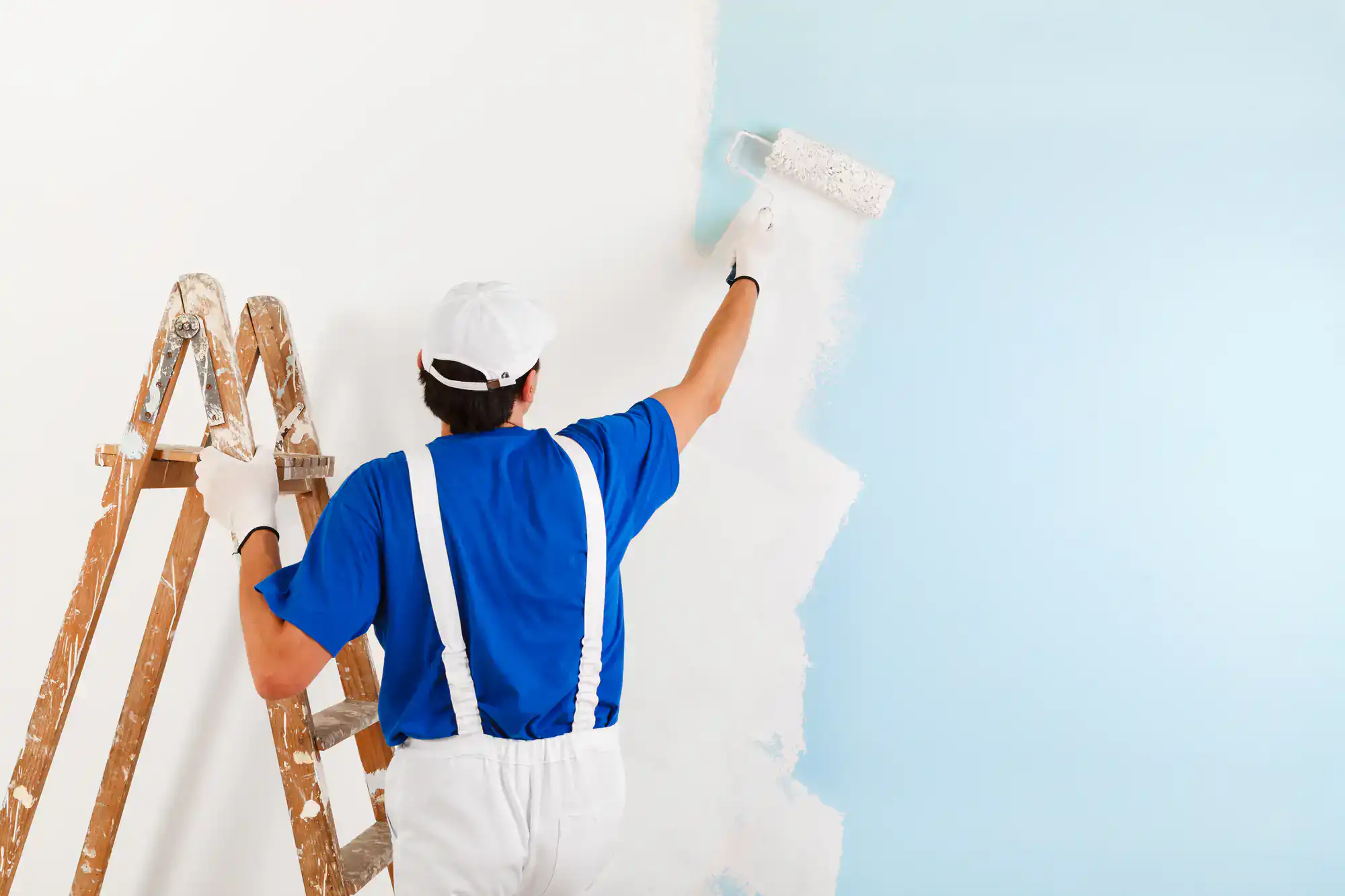
It starts with a detailed, written estimate not a ballpark over the phone. You’ll know exactly what’s included: which surfaces are being painted, how many coats, what prep steps are involved, and what paint products we’ll use. For Chevy Chase Village homes, that conversation often includes a discussion about the age of the home, whether lead paint is a factor on original surfaces, and whether any exterior color changes might warrant a conversation with the village’s Local Advisory Panel before work begins.
Once the job starts, prep comes first always. On older homes along Connecticut Avenue or the quieter streets off Brookville Road, that typically means cleaning for mildew and biological growth, scraping and sanding deteriorated surfaces, caulking gaps, and priming before any finish coat goes on. In a shaded, high-humidity environment like Chevy Chase Village, skipping those steps doesn’t just affect how the paint looks on day one it determines whether it’s still holding in year seven or year two.
The finish work is where everything either comes together or falls apart. Tight lines around original trim, consistent coverage on detailed facades, and a cleanup process that leaves your home the way we found it minus the peeling paint. After the job is done, you’ll have a clear picture of what was done and why, not just a bill and a handshake.
Ready to get started?
We handle interior and exterior painting, cabinet painting and refinishing, deck staining, ceiling painting, door painting, decorative and faux painting, lead paint removal, popcorn ceiling removal, and drywall repair all under one roof. For Chevy Chase Village homeowners, that breadth matters because a lot of these projects don’t happen in isolation. A pre-listing refresh might mean fresh interior paint, refinished cabinets, and a repainted exterior. Managing one contractor for all of it is a different experience than coordinating three.
Cabinet painting is worth calling out specifically because it’s one of the highest-return projects available to homeowners here. Professional cabinet painting typically costs a fraction of full cabinet replacement, delivers a finish that can last seven to fifteen years with proper prep, and avoids the weeks of kitchen disruption that a full renovation brings. For a home being prepared for the Chevy Chase Village market where median sale prices reached $2.6 million in April 2025 that kind of targeted investment makes clear financial sense.
Lead paint removal is another service that’s directly relevant to this community. The majority of Chevy Chase Village’s single-family homes were built before 1940, which means lead paint on original surfaces isn’t a possibility it’s an expectation. We’re equipped to handle it safely and transparently, which is the standard any responsible contractor working in this neighborhood should meet.

It depends on the specific work you’re planning and the status of your property. Chevy Chase Village has its own Local Advisory Panel, or LAP, which advises the Montgomery County Historic Preservation Commission on changes to properties in or near the historic district. Routine maintenance painting repainting an exterior surface with a matching color and similar materials is generally exempt from the Historic Area Work Permit process. But if you’re making a color change or altering the character of a historic facade, the village may want to review the proposed change before you move forward.
The practical advice is to confirm with the village’s Building Officer before committing to a color, particularly if your home is a contributing structure in the historic district. We’ve worked extensively in the D.C. metro area and are familiar with how these reviews typically go and what tends to raise flags. That local familiarity is worth more than it might seem when you’re standing at the paint counter trying to decide between two shades of white.
For most homes in the D.C. metro area, a quality exterior paint job lasts seven to ten years under normal conditions. Chevy Chase Village’s conditions, however, aren’t entirely typical. The combination of high year-round humidity, freeze-thaw cycles in winter, and the dense tree canopy that keeps many exterior surfaces shaded and damp creates conditions that can shorten that window especially on wood siding that never fully dries out between rain events.
If your home is one of the older Colonial Revivals or Craftsman-style houses that make up much of Chevy Chase Village’s housing stock, you may also be dealing with surfaces that have been painted and repainted over many decades. Paint buildup, adhesion issues on original wood, and biological staining from persistent moisture are all things that can accelerate the need for repainting. A good rule of thumb is to inspect your exterior every five years and look for chalking, fading, cracking, or any areas where paint is beginning to separate from the surface. Catching it early is almost always less expensive than waiting until the damage is visible from the street.
Yes, and any painter working on a pre-1978 home should be upfront about this. The EPA’s Renovation, Repair and Painting rule requires contractors working on pre-1978 homes to follow lead-safe work practices. In Chevy Chase Village, where the majority of single-family homes were built before World War II and many date to the early 1900s, lead paint on original surfaces is essentially a given not a remote possibility.
What that means practically is that your contractor should be willing to discuss how they handle lead paint before the job starts, not after you ask. Proper lead-safe practices include containing the work area, using appropriate tools and techniques to minimize dust, and disposing of debris correctly. We offer lead paint removal as a dedicated service and have been working on older D.C.-area homes for over fifty years the kind of experience that makes a real difference when the surfaces you’re working with are a century old. If a contractor you’re considering doesn’t bring this up on their own, that’s worth noting.
Professional cabinet painting, done correctly, involves a lot more than applying a new color to the doors. The process starts with thorough degreasing kitchen cabinets accumulate grease and residue that will prevent paint from adhering if it isn’t removed completely. After that comes sanding to create a surface the primer can bond to, priming, and then the finish coats typically applied by spray for a smooth, factory-like result rather than the brush marks you’d get from a roller or brush alone.
When all of that is done properly, a professional cabinet finish can last seven to fifteen years. The cost is a fraction of full cabinet replacement, which in the D.C. metro area can run anywhere from a few thousand dollars on the low end to well over twenty thousand for a full kitchen. For a Chevy Chase Village homeowner preparing a home for the market or simply wanting a kitchen that looks current without a full renovation cabinet painting is one of the clearest value plays available. The key is hiring someone who actually does it right, because a poorly prepped cabinet paint job chips and peels quickly and ends up looking worse than what you started with.
Spring and early fall are the most reliable windows for exterior painting in Chevy Chase Village. April through May gives you mild temperatures, lower humidity, and reduced precipitation ideal conditions for paint to cure properly and adhere well to exterior surfaces. September and October offer a similar window before the colder weather sets in. July is the wettest month in the area, and the combination of heat, humidity, and frequent afternoon thunderstorms makes mid-summer a less predictable time to schedule exterior work.
Winter is generally not the right time for exterior painting in this climate. Temperatures regularly drop to the upper twenties in Chevy Chase Village, and most exterior paints require temperatures above forty degrees to apply and cure correctly. Freeze-thaw cycles can also interfere with adhesion on freshly painted surfaces. If you’re planning an exterior project whether it’s a full repaint or prep work ahead of listing your home booking in late winter for a spring start date is the most practical approach. The best contractors in this area fill up their spring schedules early.
Chevy Chase Village sits right on the Maryland-D.C. border, which means the licensing question is more specific here than it is in most of Montgomery County. A contractor working in Chevy Chase Village needs to be licensed in Maryland at minimum the Maryland Home Improvement Commission license, or MHIC, is the relevant credential for residential work. If a contractor is also doing work on properties that cross into Washington D.C., they need a separate D.C. contractor license as well.
The most reliable way to verify is to ask for the license number directly and look it up. Maryland’s MHIC license database is publicly searchable, and D.C. contractor licenses can be verified through the D.C. Department of Consumer and Regulatory Affairs. A contractor who is genuinely licensed will give you the number without hesitation. We hold active licenses in Maryland (MHIC #28145), Washington D.C. (#39937921), and Virginia (#2705077763), and those numbers are published openly. That level of transparency is what you should expect from anyone you’re considering hiring to work on a home in this community.
Other Services we provide in Chevy Chase Village