
“
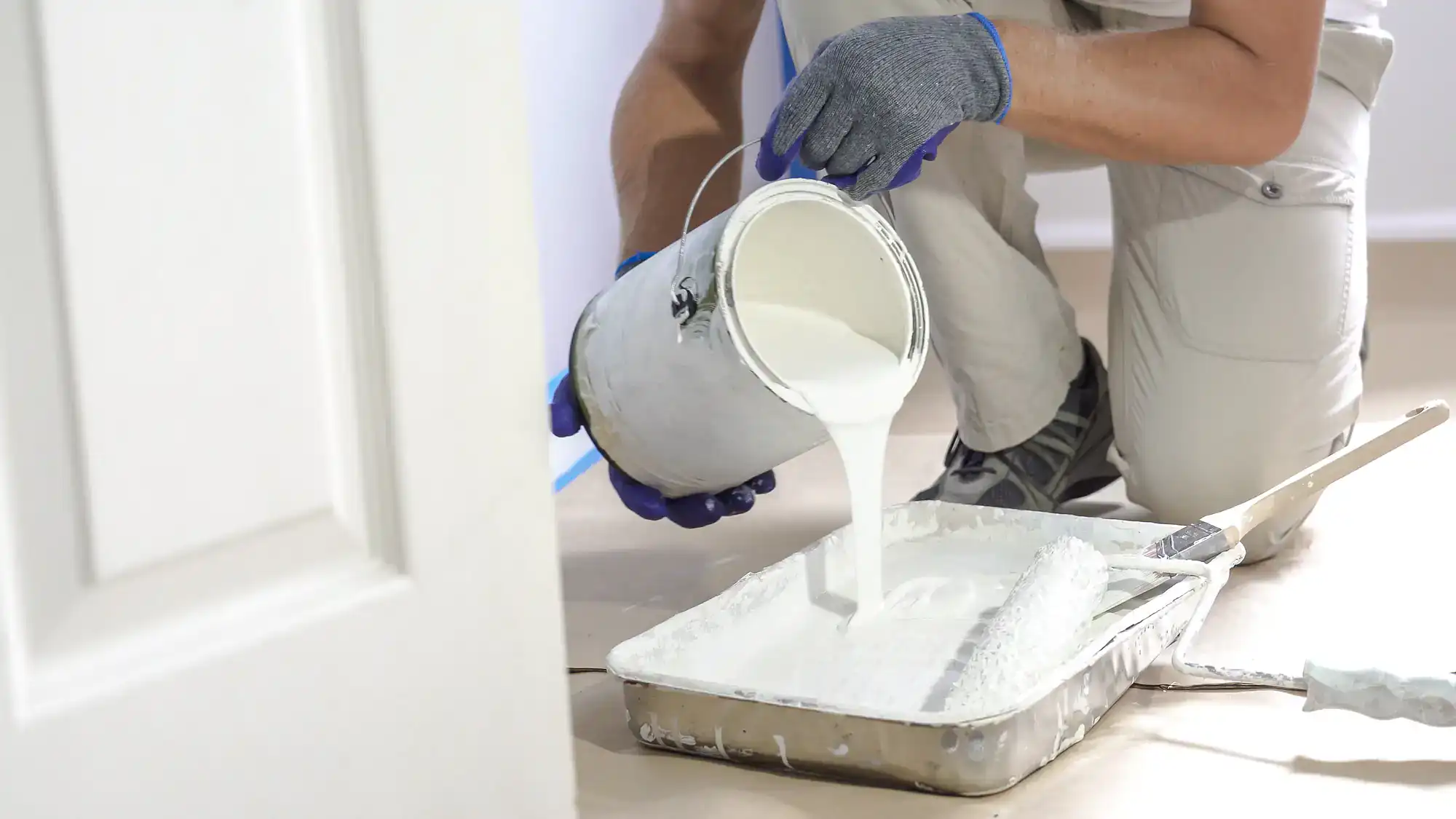
Most homeowners in Cloverly aren’t thinking about paint until something goes wrong a wall that’s looking dingy, exterior trim that’s starting to peel, or cabinets that make an otherwise nice kitchen feel ten years older than it is. The right paint job fixes all of that, but more importantly, it holds.
Cloverly’s housing stock skews older. A lot of the colonials and split-levels in this area were built between the 1950s and 1970s, which means the surfaces have seen multiple paint layers over the decades. When prep work gets rushed on homes like these, the new coat bonds to a compromised surface and it shows within a season or two. A thorough job, done correctly from the start, lasts 7 to 10 years on the exterior even under Montgomery County’s humid summers and freeze-thaw winters.
The climate here matters more than most people realize. The combination of heat and humidity pushing past 76% in peak months, followed by hard freezes, is genuinely punishing on exterior paint especially on shaded surfaces under Cloverly’s mature tree canopy. Moisture lingers longer on north-facing walls and wooded lots. Mildew gets a foothold faster. The prep process has to account for all of that before a single drop of paint goes on, or you’re just delaying the same problem by a year or two.
We were founded in 1973 by Gordon Franks, who started the company while paying his way through the University of Maryland. That’s not a throwaway detail it tells you something about how we were built. We grew from craftsmanship and accountability, not a franchise playbook, and we’ve been operating in the D.C. metro area ever since.
For Cloverly homeowners specifically, what that history means is that we’ve been working on Montgomery County homes the brick colonials, the wooded-lot split-levels, the pre-1978 construction with lead paint considerations for longer than most of our competitors have been in business. Our crew knows this area. Gordon Franks is still involved, and named crew members like Antonio show up in customer reviews by name, which tells you this isn’t a revolving door of subcontractors.
We hold a valid Maryland Home Improvement Commission license (MHIC #28145), plus licenses in D.C. and Virginia. That tri-state coverage isn’t common. It also means we carry the credentials and insurance that protect you not just us if anything goes sideways on the job.
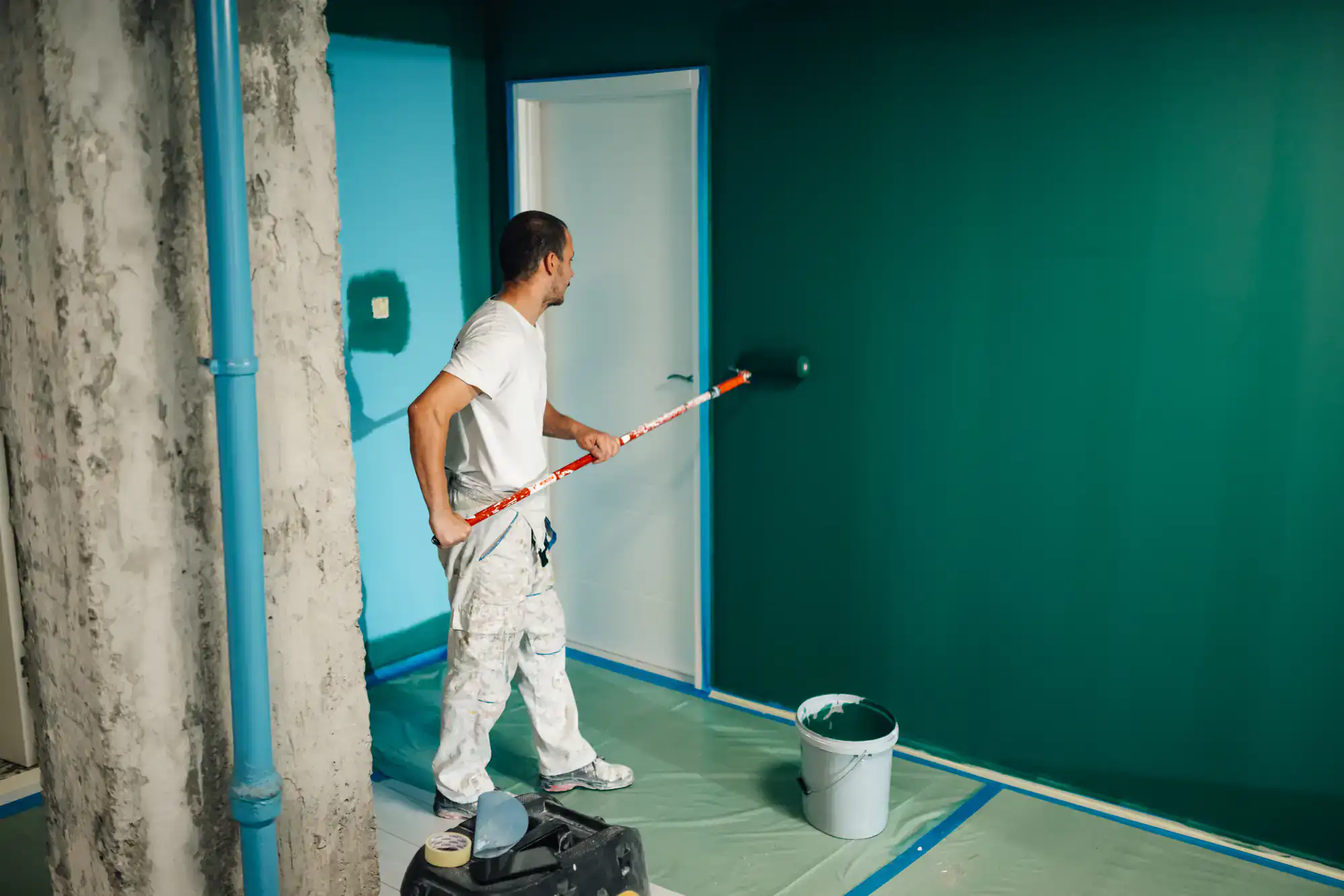
It starts with a detailed written estimate. Not a ballpark over the phone, not a verbal agreement that gets adjusted later a written breakdown of what’s included, what materials will be used, and what the timeline looks like. That estimate is what you use to compare options and decide with confidence.
Once the project starts, prep comes before paint always. For exterior work on Cloverly homes, that means power washing to clear mildew, dirt, and chalking paint, followed by scraping any loose or failing material, sanding rough edges, caulking gaps around windows and trim, and priming bare surfaces before a single coat goes on. On homes built before 1978, our crew follows EPA Renovation, Repair and Painting protocols for lead paint something that’s not optional in a neighborhood where a significant portion of the housing stock falls into that category.
For interior projects, the same logic applies. Walls get inspected, patched where needed, and properly primed before any finish coat. Furniture and floors are protected. We communicate throughout not just at the start and end. When the job wraps, you’re not left guessing whether the work is done right. You can see it.

Ready to get started?
We handle interior painting, exterior painting, cabinet painting and refinishing, deck staining, ceiling painting, door painting, decorative and faux painting, lead paint removal, popcorn ceiling removal, and drywall repair. That’s a broader scope than most painting contractors carry, and it matters for Cloverly homeowners who are dealing with older homes that often need more than just a fresh coat.
Cabinet painting is worth calling out specifically. A lot of Cloverly kitchens still have original or dated cabinetry from when the home was built structurally fine, but visually stuck in another decade. Professional cabinet painting costs a fraction of full replacement and, when done with proper degreasing, sanding, priming, and spray application, delivers a finish that lasts. It’s one of the highest-return improvements you can make in a home at Cloverly’s price point without tearing anything out.
For exterior work, our service goes beyond paint. It includes color consulting to help you make a decision you’ll be confident about, and the full prep sequence that makes the difference between a job that lasts and one that doesn’t. If you’re also dealing with deck work, carpentry, flooring, or remodeling as part of a larger project, we handle that under the same roof so you’re not coordinating three separate contractors while commuting 35 minutes each way to work every day.

For most homes in Cloverly, a well-executed exterior paint job should last somewhere between five and ten years but where you land in that range depends heavily on a few local factors. Montgomery County’s climate is genuinely demanding on exterior paint. Hot, humid summers followed by freeze-thaw cycles in winter put real stress on paint films, and Cloverly’s mature tree canopy makes it worse. Shaded surfaces stay moist longer, which accelerates mildew growth and paint degradation, especially on north-facing walls or homes with heavy wooded coverage on the lot.
If your home was painted by a contractor who cut corners on prep skipped the power washing, didn’t prime bare wood, or used a lower-grade paint you may be looking at repainting in three to five years instead of seven to ten. The quality of the previous job matters as much as the age of the current one. A good rule of thumb: if you’re seeing chalking, fading, cracking, or any peeling at trim lines, it’s time to get an estimate rather than wait for it to get worse.
Yes, and in Cloverly’s price range, the numbers are meaningful. Exterior painting has been documented to increase home value by two to five percent, and interior painting delivers an average return on investment of around 107 percent according to data from Angi. When the median home list price in Cloverly is sitting around $677,000, a two percent value increase is roughly $13,500 well above the cost of a professional exterior paint job.
The more practical side of this is what happens in listing photos and during showings. Buyers in this market are sophisticated. They notice peeling trim, faded siding, and dated interior colors. A home that photographs well and shows clean commands more interest and more competitive offers. If you’re planning to sell in the next one to three years, a professional paint job is one of the few pre-listing investments that pays back more than it costs. If you’re staying put, you’re still living in a better-maintained home with a stronger moisture barrier on the exterior which protects the asset regardless of whether you’re selling.
If your home was built before 1978, there’s a real possibility that lead-based paint exists somewhere in the paint layers on walls, trim, windows, or doors. The federal government banned lead paint in residential construction in 1978, so anything built before that date falls into a category where you should ask the question directly rather than assume it’s not an issue.
This matters most when painting work involves scraping, sanding, or disturbing existing paint layers which is exactly what proper prep requires. Under the EPA’s Renovation, Repair and Painting Rule, contractors working on pre-1978 homes are required to follow specific work practices to minimize lead dust exposure. Not every painting contractor is set up to handle this correctly. We offer lead paint removal as a named service and operate under RRP protocols, which means if your Cloverly home has lead paint, the work gets handled in a way that protects your family and keeps you on the right side of federal requirements. Given how much of Cloverly’s housing stock falls into the pre-1978 category, this is worth asking any contractor about before you sign anything.
Cabinet replacement means pulling out everything boxes, doors, hardware and starting over. It’s a significant construction project that typically runs anywhere from $3,200 to $20,000 or more, and a full kitchen renovation can push well past $30,000. It also means weeks of disruption, temporary kitchen setups, and coordinating multiple trades.
Cabinet painting is a different conversation. If the cabinet boxes are structurally sound and the layout works for you, painting is a way to completely change the look of the kitchen at a fraction of the cost. The key is how it’s done. This isn’t a brush-and-roll job professional cabinet painting involves proper degreasing, sanding, priming, and typically spray application to achieve a smooth, factory-like finish. Done correctly, that finish lasts seven to fifteen years. Done poorly by a general painter who doesn’t follow the right prep sequence it chips and peels quickly and looks worse than what you started with. For Cloverly homeowners with 1960s or 1970s kitchens that are dated but functional, professional cabinet painting is one of the most cost-effective updates available.
In Maryland, home improvement contractors are required to hold a valid Maryland Home Improvement Commission license commonly referred to as an MHIC license. This applies to all home improvement work performed in Montgomery County, including painting. The license number should be something any legitimate contractor can provide immediately, and you can verify it directly through the Maryland Department of Labor’s online license lookup before you sign a contract.
Beyond the MHIC license, it’s worth asking specifically about general liability insurance and workers’ compensation coverage. If a worker is injured on your property and the contractor doesn’t carry workers’ comp, you can be exposed to liability. These aren’t formalities they’re the difference between a contractor who’s accountable and one who isn’t. We hold MHIC license #28145 and are also licensed in D.C. (license #39937921) and Virginia (license #2705077763). Those are published, verifiable numbers. Any contractor who hesitates to provide a license number when asked is a contractor worth walking away from.
Spring and early fall are the two best windows for exterior painting in Cloverly. Spring roughly April through early June offers the most favorable conditions: temperatures in the 60s and 70s, moderate humidity, and enough dry days for paint to cure properly between coats. This is the busiest season for exterior painting contractors in Montgomery County, so booking early matters if you want your preferred timeline.
Fall is a solid secondary window, typically September through October, before temperatures drop into ranges that affect paint adhesion and curing. Once you’re regularly hitting lows below 50 degrees Fahrenheit, exterior painting becomes unreliable paint needs adequate temperature and dry conditions to bond correctly to the surface. Summer in Cloverly can work for exterior painting, but the combination of high heat and humidity above 76 percent in peak months means scheduling matters early mornings before afternoon heat and humidity peak are preferable. Winter is generally not the right time for exterior work in this area, but it’s an excellent time to plan, get estimates, and lock in your spring schedule before the rush.
Other Services we provide in Cloverly