
“
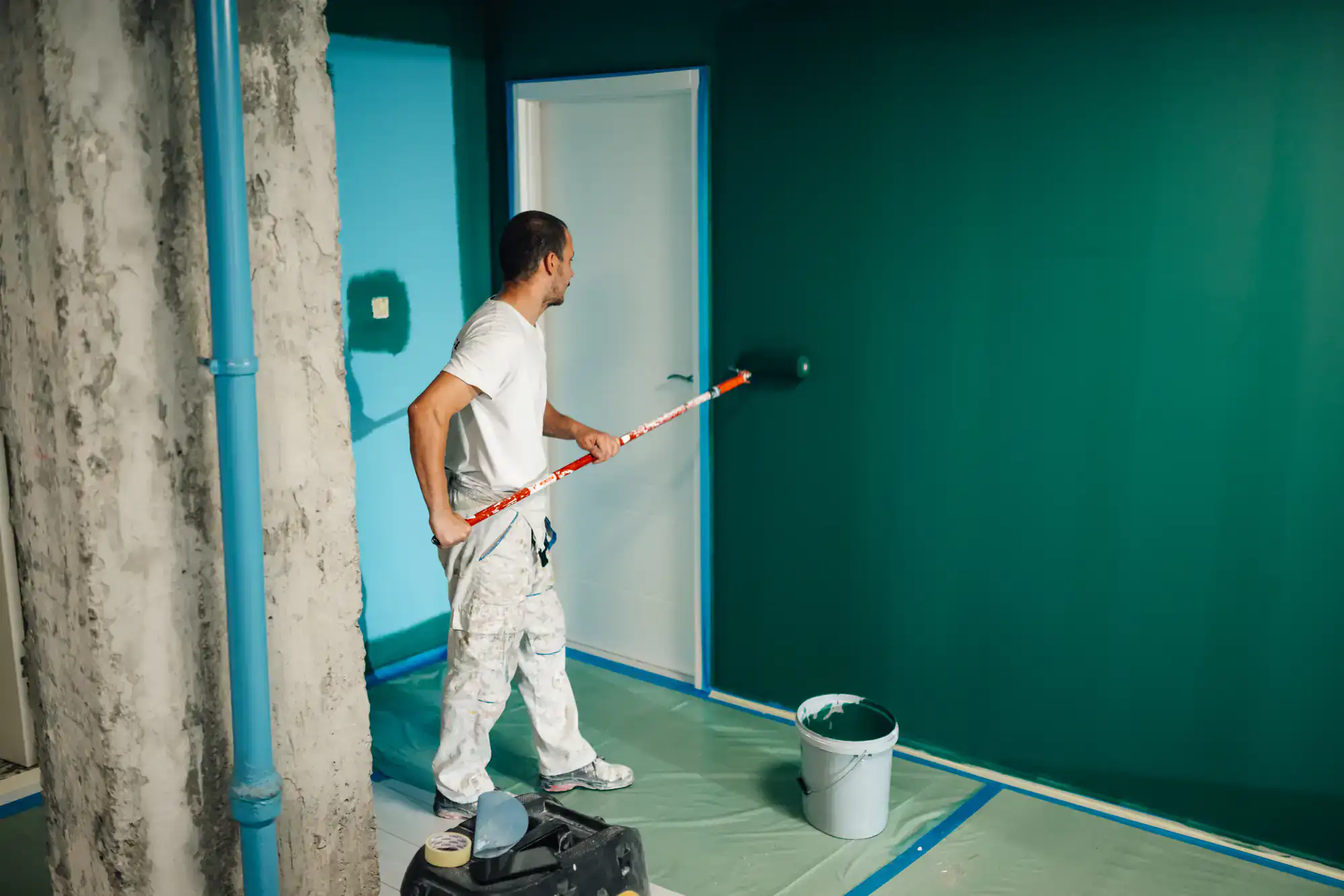
Most of Flower Hill’s housing stock was built in the 1980s. That means the homes here are now 35 to 45 years old and the surfaces that were last painted in the early 2000s have been through two decades of Montgomery County winters, humid summers, and freeze-thaw cycles that no exterior paint was designed to outlast indefinitely. What you’re looking at when you see peeling trim or fading siding isn’t just a cosmetic issue. It’s your home’s moisture barrier starting to fail.
When the prep is done correctly and that means cleaning, scraping, sanding, caulking, priming, and patching before a single drop of paint goes on the result holds. You get a finish that lasts 7 to 10 years, not one that starts bubbling on a north-facing elevation by the second winter. For homeowners in Flower Hill, where mature oak and maple canopy keeps shaded siding damp longer than open-exposure homes, that prep step isn’t optional. It’s the whole job.
Inside, the difference is just as real. A properly painted interior clean lines, consistent coverage, no lap marks changes how a room feels to live in. And if your kitchen cabinets are still wearing the original finish from when the house was built, cabinet painting delivers that transformation for a fraction of what full replacement costs.
We were founded in 1973 by Gordon Franks, who started the company to pay his tuition at the University of Maryland. That origin story matters because it tells you something about how we operate we were built on doing the work well, not on cutting corners to move faster.
We’re headquartered in Bethesda and have been serving Montgomery County including Gaithersburg and the Flower Hill community for over five decades. We hold a Maryland MHIC license (MHIC #28145), which is a verifiable credential any homeowner can look up. We’re also licensed in D.C. (License #39937921) and Virginia (License #2705077763), which matters when you want to know the company you’re hiring is operating above board in every jurisdiction we touch.
More than 300 homeowners have recommended us on Washington D.C. Consumers’ Checkbook a paid-subscription, nonprofit review platform that the professional-class households of Flower Hill are exactly the kind of people who use. That’s not a Google star count. That’s a harder bar to clear, and we’ve cleared it consistently.
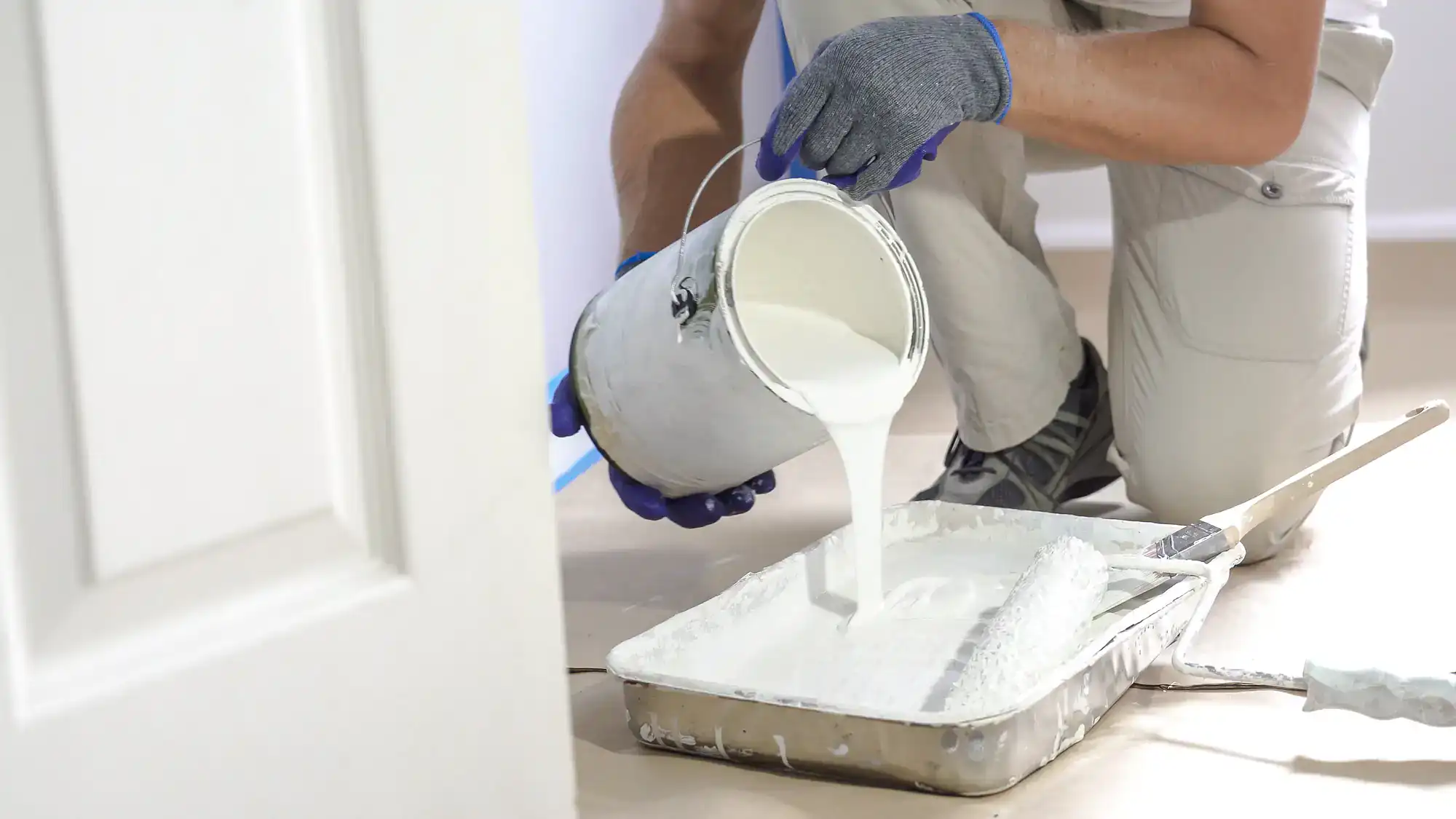
It starts with a detailed written estimate. Not a ballpark over the phone, not a number that changes once the crew shows up. You’ll know what’s included, what surfaces are being prepped, how many coats are planned, and what paint is going on the wall before anything is agreed to. That written estimate protects you, and it’s how we’ve operated for 50 years.
Before any paint goes on, the prep work happens. For exterior projects on Flower Hill’s 1980s-era Colonial Revivals and split foyers, that means pressure washing to clear the spring pollen and surface grime that accumulates under the tree canopy, followed by scraping any failing paint, sanding rough areas, caulking gaps around trim and windows, and priming bare wood or patched areas. That sequence isn’t negotiable it’s what separates a paint job that holds through Montgomery County winters from one that doesn’t make it two seasons.
If you’re planning an exterior color change in Flower Hill, it’s worth knowing that the community is governed by the Flower Hill Central Corporation and its sub-associations including Southridge, The Courts of Flower Hill, and Westwind each of which has architectural control authority over exterior changes. That means a color change requires sub-association approval before work begins. We’re familiar with HOA-governed communities and can help you think through timing so the approval process doesn’t delay your project.

Ready to get started?
We handle the full range of residential painting work interior painting, exterior painting, cabinet painting and refinishing, deck staining, ceiling painting, door painting, and decorative finishes. We also do drywall repair and installation as part of the prep process, which matters on older homes where surface damage is common before a repaint.
For Flower Hill specifically, cabinet painting deserves a separate mention. A significant portion of the community’s housing stock is townhomes and condominiums housing types where a full kitchen cabinet replacement rarely makes financial sense. Professional cabinet painting runs a fraction of what replacement costs, and when it’s done with proper degreasing, sanding, priming, and spray application, the finish can last 7 to 15 years. If your 1980s or 1990s kitchen is still wearing its original cabinet finish, that’s one of the highest-return updates you can make without touching the layout or the appliances.
On the exterior side, the combination of Flower Hill’s mature tree canopy, Montgomery County’s humidity, and the freeze-thaw stress of a true four-season climate means the exterior of a home here takes a beating. Proper surface assessment before the job starts checking for wood rot, soft spots in fascia, failing caulk around windows is part of what we bring to every exterior project. The goal isn’t just a fresh color. It’s a surface that holds and protects the home underneath it.

If you’re repainting in the same color, most sub-associations within Flower Hill don’t require formal approval but if you’re changing the color, you almost certainly do. Flower Hill is governed by the Flower Hill Central Corporation and a series of sub-associations including Southridge, The Courts of Flower Hill, and Westwind. Each sub-association has its own architectural control authority, and exterior changes including paint color typically require a formal architectural change application before work begins.
The practical implication is that you need to factor the approval timeline into your project schedule. If you’re hoping to paint in April or May when exterior painting conditions in Montgomery County are at their best, submitting your color selection to the sub-association in February or March gives you enough runway. We’ve worked in HOA-governed communities across the D.C. metro area for decades and can help you think through color options and timing so you’re not caught waiting on approval when the weather is right.
For most homes in Flower Hill, the realistic exterior repaint cycle is somewhere between 7 and 10 years under good conditions but that range gets compressed by the specific conditions here. Montgomery County’s climate combines summer humidity that accelerates paint degradation, winter freeze-thaw cycles that crack and lift paint on wood trim and siding, and a mature tree canopy throughout Flower Hill that keeps north-facing and shaded elevations damp longer than open-exposure surfaces.
If your home is on a lot with significant shade coverage which is common throughout Flower Hill given the oak and maple canopy the north and west-facing elevations may show wear faster than the south-facing side. A home that looks fine from the street might have peeling or failing paint on the back or side elevations that’s been going unnoticed. Given that most Flower Hill homes were built in the 1980s, many are now well past their second full exterior paint cycle. If it’s been more than 8 years since the last exterior repaint, it’s worth having someone take a close look before the issue becomes a moisture problem rather than just a cosmetic one.
For most homeowners in Flower Hill especially those in townhomes or condominiums cabinet painting is the smarter financial decision by a significant margin. Full cabinet replacement runs anywhere from $3,200 on the low end to well over $20,000 depending on the scope, and a full kitchen renovation can reach $30,000 to $60,000 or more. Professional cabinet painting costs a fraction of that and, when done correctly, delivers a finish that lasts 7 to 15 years.
The key phrase there is “done correctly.” Cabinet painting is not the same as brushing wall paint onto a cabinet door. It requires proper degreasing to remove the cooking grease and residue that accumulates on kitchen surfaces over decades, sanding to create adhesion, priming, and typically spray application to achieve a smooth, factory-like finish. A general painter who skips those steps will give you a finish that chips within a year. Done right, it’s a genuinely transformative update for a 1980s or 1990s kitchen without touching the layout, the appliances, or the countertops. For a Flower Hill townhome owner who wants a refreshed kitchen without a full renovation, it’s hard to beat.
The most important thing to look for is specificity. A quote that says “interior painting, two coats” tells you almost nothing. A quote that outlines which surfaces are being prepped, what prep steps are included, how many coats are planned, and what paint brand and product line will be used tells you what you’re actually paying for. That level of detail is what separates a contractor who knows what they’re doing from one who’s giving you a number they’ll adjust later.
Beyond the written estimate, verify licensing. In Maryland, home improvement contractors are required to hold an MHIC (Maryland Home Improvement Commission) license. That’s a credential with a number you can look up not just a claim on a website. We hold MHIC #28145, which is publicly verifiable. Also ask whether the crew is covered by general liability insurance and workers’ compensation. If a crew member is injured on your property and the contractor doesn’t carry workers’ comp, that liability can fall on you as the homeowner. These aren’t abstract concerns in a market where unlicensed operators are common they’re the practical reasons why verifying credentials matters before anyone sets foot on your property.
The timeline depends heavily on the scope of the project and the condition of the surfaces going in. A single room with walls in good condition can be completed in a day. A full interior multiple rooms, ceilings, trim, and doors typically runs several days to a week for a home of average size. If there’s drywall repair, significant surface prep, or cabinet painting involved, the timeline extends accordingly.
For Flower Hill homes built in the 1980s, it’s common to find surfaces that need more prep than they appear to at first glance hairline cracks in drywall from decades of seasonal expansion and contraction, water stains on ceilings from old roof or plumbing issues, or trim that’s been painted over multiple times and needs sanding before a new coat will adhere properly. A contractor who gives you a firm timeline before seeing the surfaces in person is estimating blind. The right answer comes after a walkthrough, where the actual condition of the walls, ceilings, and trim can be assessed and factored into the schedule. We provide written estimates that reflect what’s actually there not what’s easiest to assume.
In Maryland, home improvement contractors are required by state law to hold an MHIC license to perform work on residential properties. That license requires documented experience, carries a bond, and gives homeowners a formal avenue for recourse if something goes wrong including the ability to file a complaint with the Maryland Home Improvement Commission. An unlicensed contractor operating without that license is doing so outside of the state’s consumer protection framework, which means if the work fails or a dispute arises, your options are limited.
The practical risk for Flower Hill homeowners goes beyond the quality of the work itself. If an uninsured crew member is injured on your property, you can be held liable as the homeowner. If an unlicensed contractor causes damage to a neighboring property a fence, landscaping, a car in the driveway and carries no general liability insurance, that cost can land on you. These are real scenarios, not hypothetical ones. We hold MHIC #28145 in Maryland, are licensed in D.C. and Virginia as well, and carry the insurance coverage that protects you as the homeowner. In a community like Flower Hill, where residents are accustomed to verifying credentials and following formal processes, those license numbers are worth asking for and worth checking.
Other Services we provide in Flower Hill