
“

When a paint job is done right on a Four Corners home, the difference isn’t just visual. The exterior of a 1940s Cape Cod or Tudor Revival that’s been properly prepped, primed, and painted is actively holding moisture out of the wood and in a climate where July brings nearly a dozen rainy days and humidity stays elevated well into fall, that matters more than most homeowners realize.
A well-applied coat of paint on wood siding isn’t decorative. It’s the reason the fascia and window trim don’t rot. Inside, the same principle applies. Homes in Northwood Park, Woodmoor, and South Four Corners have been repainted multiple times over the decades. The surfaces underneath carry history old coatings, patched repairs, layered primers and the finish you end up with depends entirely on how seriously the prep work was taken.
When it’s done correctly, you get a clean, even result that doesn’t start peeling at the trim edges within a year. At the home values this neighborhood carries medians running from the mid-$400s into the $800s depending on the block a professional paint job isn’t an expense you’re reluctantly absorbing. Interior painting delivers an average return of 107%, and exterior work consistently adds 2–5% to resale value. In Four Corners, that math is worth paying attention to.
We were founded in 1973 by Gordon Franks, who started the company while paying his tuition at the University of Maryland just down the road from Four Corners. We’ve been working in Montgomery County ever since, on homes that range from post-WWII ramblers to historic Colonials to mid-century split-levels exactly the kind of housing stock that defines this neighborhood.
That longevity shows up in specific ways. Our crew knows how older homes behave. We know what to expect when we start scraping a 1950s exterior that’s been repainted four times. We know how to handle surfaces that may contain lead-based paint which, given that the vast majority of Four Corners homes were built before the 1978 federal ban, is a real consideration on almost every job here, not a rare edge case.
We’re fully licensed in Maryland (MHIC #28145), D.C., and Virginia, and have earned more than 300 recommendations on Washington D.C. Consumers’ Checkbook a paid-subscription consumer advocacy platform that a lot of Montgomery County homeowners use specifically because it’s harder to game than a free review site.
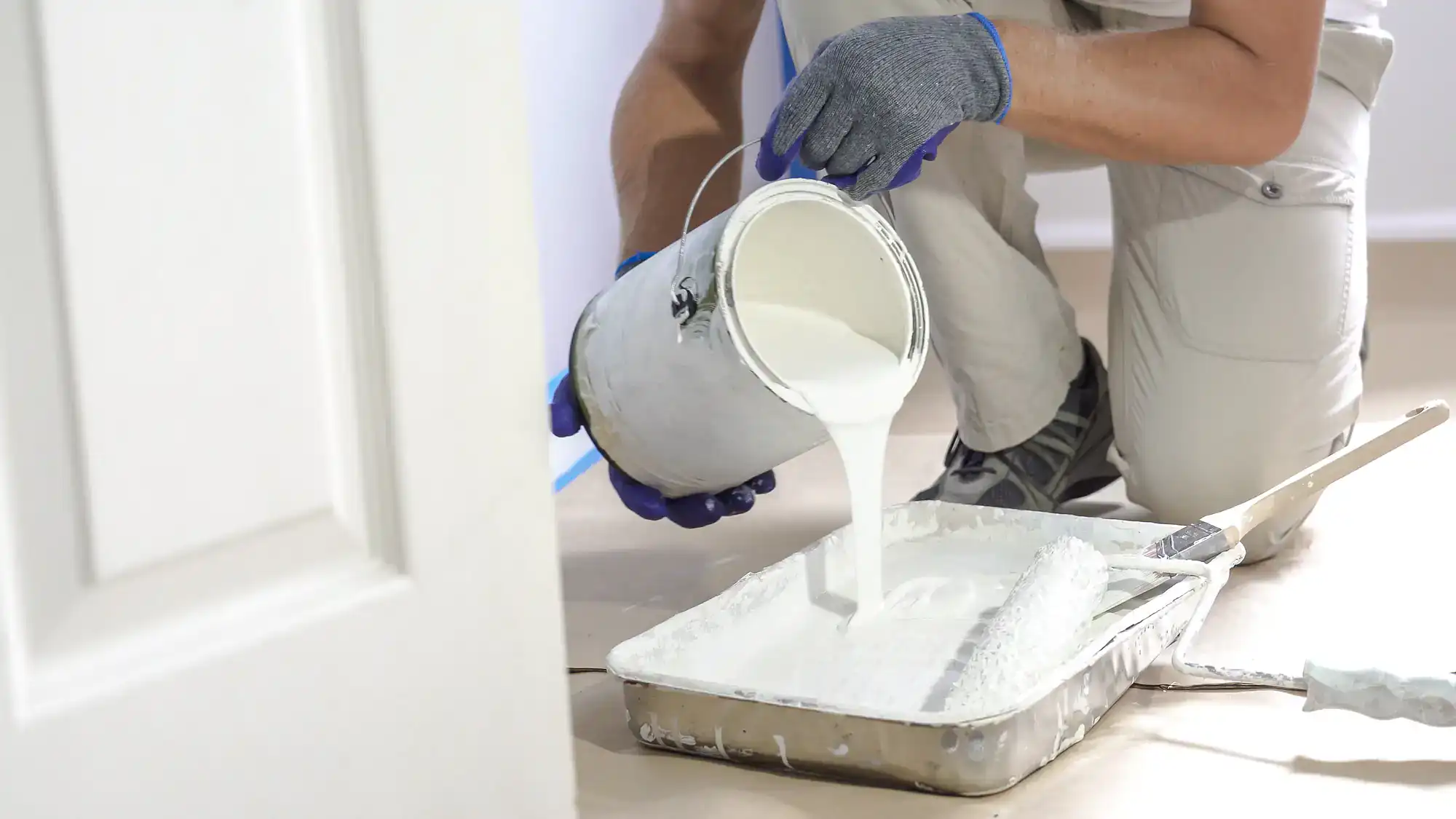
The first step is a detailed estimate not a ballpark over the phone, but a real walkthrough of the scope. Gordon Franks is personally noted in reviews for being prompt, specific, and responsive by email or phone. You’ll know what’s included, what’s not, and what the timeline looks like before anything is scheduled.
Once the job starts, the prep phase is where most of the work happens and on a Four Corners home, that phase deserves serious attention. For exterior projects, that means pressure washing, scraping any failing paint, sanding rough edges, caulking gaps around windows and trim, and priming bare wood before a single finish coat goes on. For homes built before 1978, we approach any surface disturbance with lead-safe practices. This isn’t a box-checking exercise it’s what determines whether the paint lasts seven to ten years or starts failing in under two.
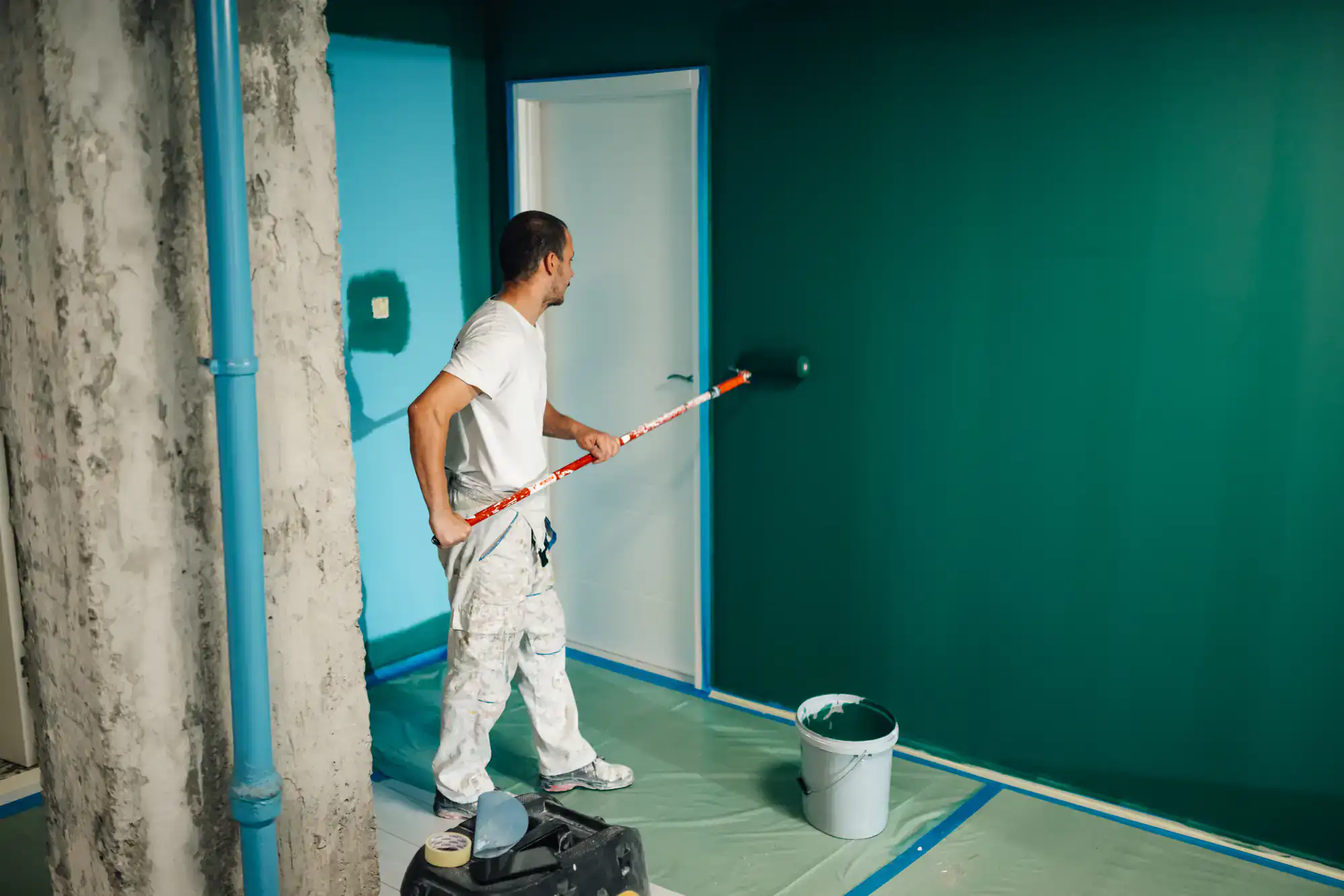
For interior work, prep means protecting your floors, furniture, and trim, patching any surface imperfections, and priming where needed. The actual painting follows a deliberate sequence ceilings first, walls next, trim last and the job isn’t considered done until we’ve done a walkthrough with you. In Four Corners, the best windows for exterior painting are spring and early fall, when temperatures are moderate and humidity hasn’t peaked. We plan accordingly.
Ready to get started?
We handle interior painting, exterior painting, cabinet painting and refinishing, deck staining, ceiling painting, door painting, decorative and faux painting, lead paint removal, popcorn ceiling removal, and drywall repair all under one roof. For a Four Corners homeowner managing a whole-home refresh, that means one company, one conversation, one set of scheduling logistics instead of three separate contractors.
Cabinet painting is worth calling out specifically, because the older kitchens in this neighborhood’s 1940s–1960s homes often have solid wood cabinetry that’s structurally sound but visually dated. Professional cabinet painting done with proper degreasing, sanding, priming, and spray application delivers a smooth, durable finish that can last seven to fifteen years. The cost is a fraction of full cabinet replacement, and the disruption to your household is minimal compared to a full kitchen renovation.
On the exterior side, homes along the feeder streets off U.S. Route 29 and University Boulevard see real traffic and real visibility. A faded or peeling exterior on a $500,000–$800,000 home in Four Corners isn’t a private matter it’s on display to anyone driving through. We’re also one of the few contractors in this area that explicitly offers lead paint removal as a named service, which matters in a community where nearly every home predates the 1978 ban. Montgomery County work is covered under Maryland MHIC License #28145, and we carry full general liability insurance and workers’ compensation meaning if something goes wrong on your property, you’re not the one absorbing the liability.

The short answer is yes probably. The residential neighborhoods of Four Corners were developed primarily between the late 1930s and the early 1960s. That puts the vast majority of homes here well within the pre-1978 window, which is the federal cutoff year for lead-based paint in residential construction. Homes from that era the Cape Cods in South Four Corners, the Tudor Revivals in Northwood Park, the Colonials and ramblers throughout Woodmoor are likely to have multiple layers of paint, some of which almost certainly contain lead.
Under Maryland law and the EPA’s Renovation, Repair and Painting Rule, contractors performing work that disturbs painted surfaces on pre-1978 homes are required to follow lead-safe work practices. That includes proper containment, minimizing dust, and careful cleanup. We explicitly offer lead paint removal as a service and approach pre-1978 homes with the care this requires. If you’re not sure whether your home is affected, that’s a good thing to raise during your estimate walkthrough it’s a straightforward conversation, and knowing upfront prevents problems later.
There’s a difference between paint that’s faded and paint that’s failing and the distinction matters because failing paint isn’t just cosmetic. In the Mid-Atlantic climate that Four Corners sits in, exterior paint faces real stress: hot, humid summers that promote mildew growth, freeze-thaw cycles through winter that cause paint to expand and contract, and significant moisture pressure from the area’s mature tree canopy trapping humidity against siding.
Signs that your exterior paint has moved from “faded” to “failing” include visible peeling or flaking, chalking (when you run your hand along the siding and it comes away chalky), cracking along the wood grain, or bubbling near windows and trim which usually signals moisture is already getting underneath. If it’s been more than seven to ten years since your last exterior paint job, that timeline alone is worth taking seriously in this climate. A repaint done at the right time is significantly cheaper than repainting after the wood underneath has started to absorb moisture and soften.
Spring and early fall are the two best windows for exterior painting in Montgomery County. In Four Corners specifically, the climate data is pretty clear: July is the wettest month, averaging nearly a dozen rainy days, and summer humidity is high enough to affect how paint adheres and dries. Painting in peak summer isn’t impossible, but it introduces more variables longer dry times, potential adhesion issues on surfaces that are damp from overnight humidity, and the general challenge of working in heat.
March through May is the most reliable window. Temperatures are moderate, the freeze-thaw risk has passed, and humidity hasn’t peaked yet. September and October offer a solid secondary window before temperatures drop into ranges that aren’t suitable for exterior application. If you’re thinking about getting exterior work done, the practical advice is to schedule your estimate in late winter so you’re at the front of the spring queue most reputable contractors in this area book out several weeks during peak season.
For most homeowners in Four Corners, yes and the math is fairly straightforward. Professional cabinet painting typically runs in the range of $900 to $3,600 depending on the scope, while full cabinet replacement starts around $3,200 on the low end and can run $20,000 or more for a full kitchen. A complete kitchen renovation with new cabinets can reach $30,000 to $60,000 or beyond.
Cabinet painting delivers a dramatic visual transformation at a fraction of that cost, and a professionally applied finish done with proper degreasing, sanding, priming, and spray application can last seven to fifteen years. The older kitchens in this neighborhood’s 1940s–1960s homes are actually good candidates for painting precisely because the cabinet boxes are often solid wood construction structurally sound, just visually dated. The key is that cabinet painting is a specialty. It requires different prep, different products, and a different application process than wall painting. Done correctly, it’s one of the highest-value upgrades you can make to an older Four Corners kitchen without tearing anything out.
The biggest difference is prep and it’s not a small gap. A professional painter on an older Four Corners home will spend a significant portion of the total job time on surface preparation before a brush or roller touches the wall. That means pressure washing, scraping failing paint, sanding rough edges, caulking gaps around windows and trim, patching holes and cracks, and priming bare or repaired surfaces.
Most DIYers skip or abbreviate most of those steps, which is why DIY paint jobs on older homes tend to look good for six to twelve months and then start showing problems at the edges and seams. Beyond prep, professional painters use premium materials specific paint lines formulated for better adhesion, higher pigment load, and longer durability and apply them correctly, meaning the right number of coats at the right dry time intervals. For a home in the $500,000–$800,000 range that’s been part of Four Corners for decades, the difference between a professional result and a DIY result is usually visible within a season.
Maryland requires all home improvement contractors including painters to hold a license issued by the Maryland Home Improvement Commission, known as the MHIC. This is a state-administered credential, not a self-reported claim, and it’s publicly verifiable. You can look up any contractor’s MHIC license number on the Maryland Home Improvement Commission’s online database. If a contractor can’t give you a specific MHIC number, or gives you one that doesn’t check out, that’s a clear signal to move on.
We hold Maryland MHIC License #28145, which you’re welcome to verify directly. Beyond the state license, the other things worth confirming before hiring any painter in Montgomery County are general liability insurance and workers’ compensation coverage. These aren’t bureaucratic formalities if a worker is injured on your property and the contractor doesn’t carry workers’ comp, you can be held liable. If your property is damaged and the contractor isn’t insured, your recourse is limited. Ask for certificates of insurance before any work begins, and don’t accept verbal assurances in place of documentation.
Other Services we provide in Four Corners