
“
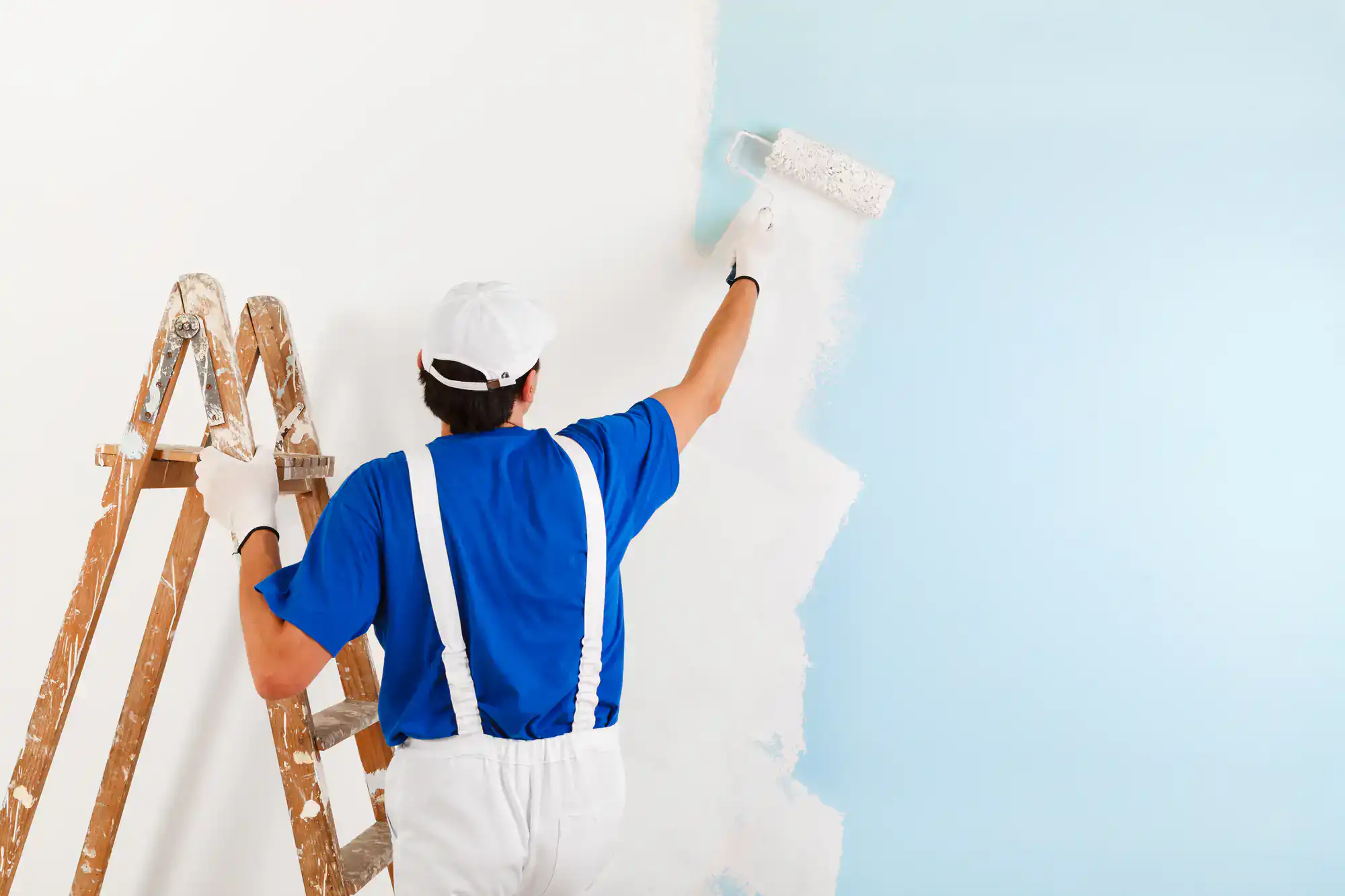
When the prep is done properly and the right materials go on, a paint job stops being maintenance and starts being protection. For a home in Takoma Park’s historic district where Queen Anne Victorians and Craftsman bungalows line streets shaded by a protected hardwood canopy that distinction matters more than it does almost anywhere else in the D.C. metro area.
Takoma Park’s tree cover is one of the things that makes the city worth living in. It also creates a specific problem for exterior paint that most homeowners don’t realize until they’re looking at peeling siding. Shaded facades stay damp longer after rain, which accelerates mildew growth and paint failure on the wood siding common throughout Old Takoma and the historic district. A contractor who knows this addresses it at the preparation stage cleaning, treating, and priming the surface before any paint goes on so the finished job actually holds up through Maryland’s humid summers and freeze-thaw winters.
Interior painting done right means your walls look consistent, your trim is clean, and the color you chose actually looks the way you expected it to. It also means your floors, furniture, and woodwork came through the process untouched. That’s the baseline. When you’re working with a company that has done thousands of jobs across the D.C. metro area over five decades, that baseline is just where we start.
We founded Optima Design Group in 1973 to solve a practical problem: paying for tuition at the University of Maryland while building a business around hands-on craftsmanship and problem-solving. That origin still shapes how we operate today straightforward, accountable, and focused on doing the job correctly the first time.
We’re headquartered in Bethesda, about eight to ten miles from Takoma Park via Carroll Avenue and Route 410. We hold an active Maryland MHIC license (#28145), which is the specific credential required for home improvement contractors working in Montgomery County. We also carry D.C. license #39937921 and Virginia license #2705077763, so the same licensed team that serves Chevy Chase and Northwest D.C. serves Takoma Park homeowners with the same legal protections in place.
With 300+ recommendations on Washington D.C. Consumers’ Checkbook a paid-subscription, nonprofit consumer advocacy platform and a 4.8 out of 5 rating on Houzz, our track record is verifiable. Named crew members like Gordon and crew chief Antonio appear in reviews by name. That kind of accountability is rare in this industry, and it’s exactly what Takoma Park homeowners should be looking for.
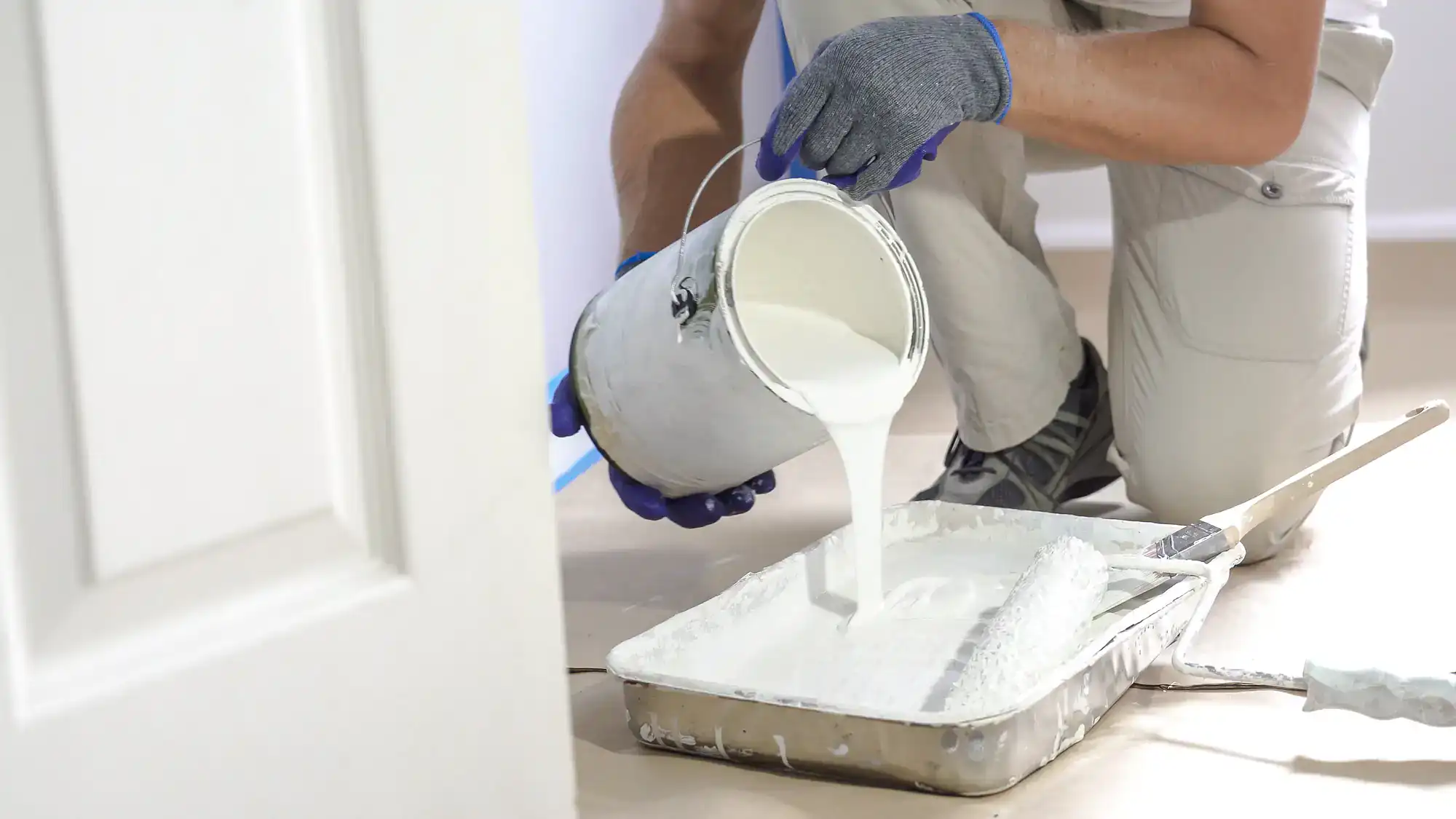
It starts with an estimate. We provide detailed, written quotes so you know exactly what’s included before any work begins what surfaces are being painted, how many coats, what prep steps are involved, and what materials will be used. There are no verbal agreements that shift later. For homeowners in Takoma Park’s historic district who may have questions about whether exterior work requires a Historic Area Work Permit, the short answer is: painting non-masonry surfaces does not require one. No permit, no bureaucratic delay just a clear scope of work and a start date.
Preparation comes next, and it’s where the job is actually won or lost. On Takoma Park’s older homes many of which were built before 1978 and may have layers of paint going back decades proper prep means cleaning the surface, scraping any failing paint, sanding, caulking gaps in the woodwork, and priming before the finish coat ever goes on. For exterior work on homes along the Sligo Creek corridor or in the tree-shaded streets of the historic district, that also means addressing any mildew or moisture residue that the canopy creates. Skipping these steps is why paint fails in a year. Doing them correctly is why it lasts seven to ten.
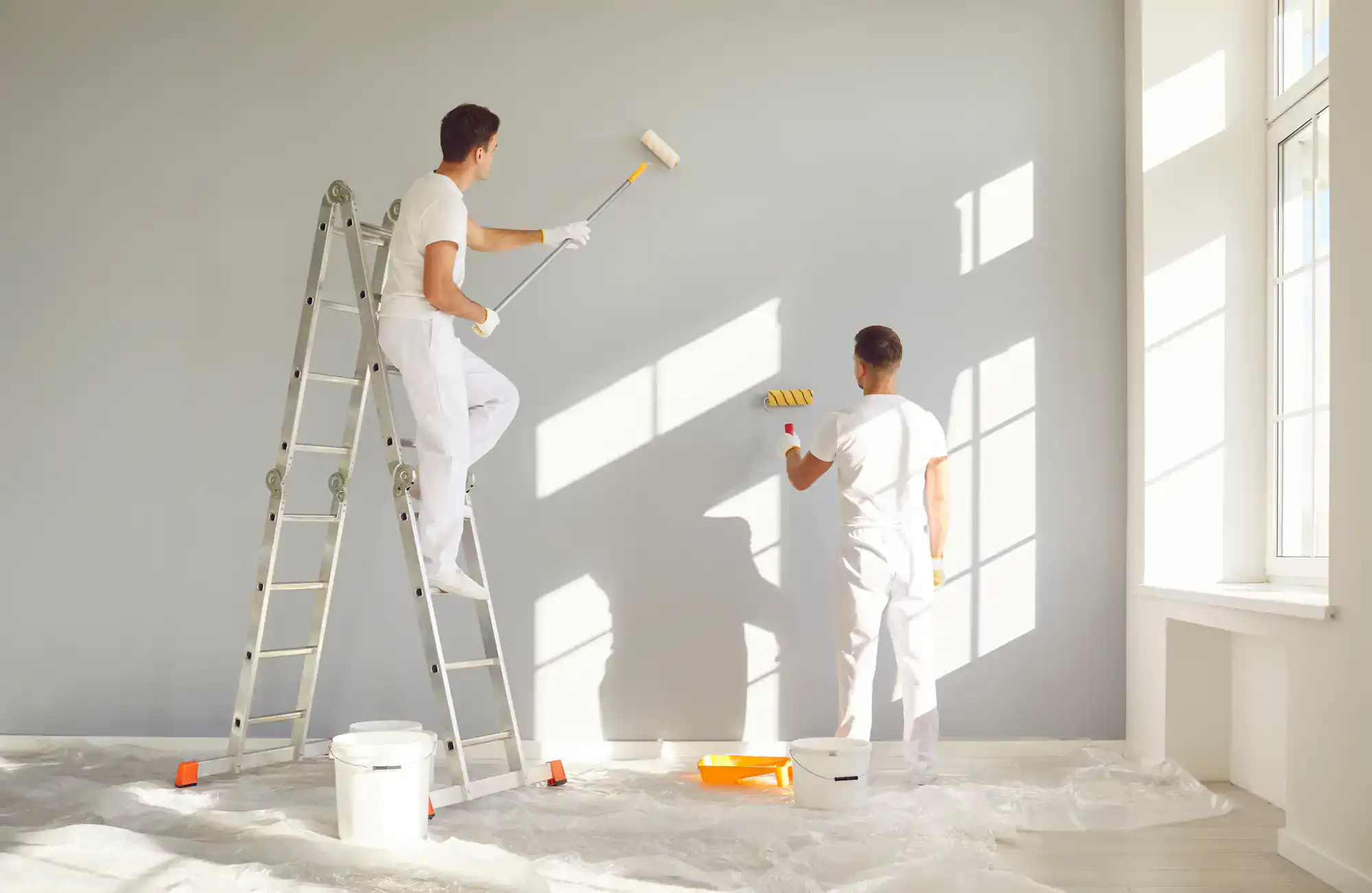
Once the prep is done, the painting proceeds systematically room by room for interiors, section by section for exteriors with your floors, furniture, and landscaping protected throughout. When the job is finished, the site is clean, the work is inspected, and you’re not left managing someone else’s mess.
Ready to get started?
Interior painting in Takoma Park covers everything from single-room refreshes to full-home transformations walls, ceilings, trim, doors, and the detailed millwork that gives these older homes their character. Exterior painting addresses the full envelope of the home: siding, fascia, soffits, porches, railings, and the ornate trim profiles that are common on Victorian and Craftsman homes throughout the historic district. Both services include the surface preparation that makes the difference between a paint job that holds and one that doesn’t.
Cabinet painting is worth calling out specifically, because it’s a specialty that a lot of general painters treat as an afterthought. Many of Takoma Park’s older homes have original wood cabinetry that is structurally sound but visually dated. Replacing those cabinets can cost anywhere from $3,200 to well over $20,000 and in a home where the original millwork is part of what makes it worth owning, replacement can feel like a loss. Professional cabinet painting, done with proper degreasing, sanding, priming, and spray application, delivers a smooth, durable finish that can last seven to fifteen years at a fraction of that cost.
We also offer lead paint removal a service that matters in Takoma Park more than in most places. The vast majority of the city’s housing stock was built before 1978, meaning lead-based paint may be present on interior walls, exterior siding, trim, windows, doors, and porches throughout the city. Handling those surfaces correctly isn’t optional. It’s a health and safety requirement, and it’s something we’re equipped to do properly.
No and this is a question worth answering clearly because a lot of homeowners in the historic district assume otherwise. Painting non-masonry surfaces on a historic property in Takoma Park does not require a Historic Area Work Permit. The Historic Preservation Commission does not review paint colors, and ordinary exterior maintenance including repainting wood siding, trim, porches, and railings is explicitly exempt from HAWP requirements.
The one exception worth knowing: if a surface has never been painted before such as original unpainted brick or masonry that may trigger a different review. But for the vast majority of exterior repainting projects on the Victorian, Craftsman, and Colonial Revival homes throughout the historic district, you can move forward without a permit. We handle the prep, the work, and the cleanup. No county approval required, no waiting period, no additional cost.
The tree canopy is usually the reason, even if it doesn’t look like it. Takoma Park is a Tree City USA with a municipally protected hardwood canopy, and the Sligo Creek corridor runs through the city surrounded by dense parkland. That’s beautiful and it also means that north-facing and creek-adjacent facades stay shaded and damp for much longer after rain than homes in open suburban settings do. Moisture that can’t evaporate sits against the painted surface, eventually working its way underneath and causing blistering, peeling, and mildew growth.
The fix isn’t just better paint it’s better preparation. Surfaces need to be cleaned thoroughly, any mildew treated, and the right primer applied before the finish coat goes on. A painter who skips those steps and goes straight to the topcoat is setting up the job to fail within a season or two, regardless of what brand of paint they use. If your exterior paint has been failing faster than it should, the prep process not the paint itself is almost always where the problem started.
If your home was built before 1978, there’s a real possibility that lead-based paint is present somewhere on the property interior walls, exterior siding, trim, windows, doors, railings, or porch surfaces. In Takoma Park, where the historic district alone contains hundreds of contributing buildings dating from the 1880s through the 1930s, this applies to a significant portion of the city’s housing stock.
You don’t necessarily need to test every surface before hiring a painter, but you do need to hire a contractor who takes the question seriously. Under the EPA’s Renovation, Repair and Painting Rule, contractors working on pre-1978 homes are required to follow specific procedures when disturbing painted surfaces. We offer lead paint removal as a service, which means we’ve dealt with this situation before and know how to handle it correctly. If you have young children in the home or you’re planning significant surface work on an older property, it’s worth raising the question during your estimate conversation rather than assuming it’s been accounted for.
Spring is typically the best window roughly March through May when temperatures are mild, humidity is manageable, and the damage from the previous winter becomes visible enough to assess. After a Maryland freeze-thaw cycle, it’s common to find peeling, cracking, or caulk failure on exterior wood surfaces, particularly on the older homes throughout Takoma Park’s historic district. Catching those issues in spring and addressing them before summer heat sets in gives the paint the best conditions for proper adhesion and curing.
Fall is a solid secondary option, typically September through mid-November, before overnight temperatures drop consistently below 50 degrees. What you want to avoid is painting in extreme summer heat or humidity, which can cause paint to dry too fast on the surface while the layers underneath haven’t cured properly leading to cracking and early failure. The D.C. metro climate is demanding on exterior coatings in general, and Takoma Park’s heavy tree cover adds another layer of moisture management to the equation. Timing the job right is part of getting a result that lasts.
For most homeowners, professional cabinet painting is the smarter call especially in a city like Takoma Park where many homes have original wood cabinetry that’s structurally solid but visually dated. Full cabinet replacement typically runs anywhere from $3,200 to well over $20,000 depending on the scope, and a complete kitchen renovation can reach $30,000 to $60,000 or more. Professional cabinet painting, done correctly, costs a fraction of that and can deliver a finish that lasts seven to fifteen years.
The caveat is that cabinet painting is a specialty, not a side service. It requires proper degreasing, sanding, priming, and typically spray application to achieve a smooth, durable finish. A general painter who brushes cabinet paint over unprepared surfaces will give you a finish that chips and peels within a year or two. When it’s done right with the correct prep and the right materials it’s genuinely hard to distinguish from new cabinetry. For homeowners who want to modernize a kitchen without gutting it, or who want to preserve the character of original cabinetry in an older home, it’s one of the highest-value improvements available.
Start with credentials you can verify, not claims you have to take on faith. In Maryland, home improvement contractors are required to hold an MHIC license that’s the Maryland Home Improvement Commission license. You can look up any contractor’s license status through the state. We hold MHIC #28145, which covers work throughout Montgomery County, including Takoma Park. We also carry D.C. and Virginia licenses, which tells you we don’t operate in a gray area.
Beyond licensing, look at where the reviews are coming from. Washington D.C. Consumers’ Checkbook is a paid-subscription, nonprofit consumer platform the kind of independent source that Takoma Park residents tend to trust more than free review aggregators. We have 300+ recommendations there, built over decades of work in the D.C. metro area. That’s not something you accumulate by doing average work. Finally, pay attention to how a contractor communicates during the estimate process. If they give you a vague verbal quote and can’t explain their prep process in specific terms, that’s the answer you need before you’ve spent a dollar.
Other Services we provide in Takoma Park