“
The median Bethesda home was built in 1970. That means a lot of windows in Edgemoor, Battery Park, Kenwood, Chevy Chase, and throughout the surrounding neighborhoods are either original or were last replaced in the 1980s and early 1990s. Vinyl windows last 20 to 40 years. If yours are pushing 35, they’re not failing someday. They’re failing now.
What that actually costs you shows up in two places: your utility bill and your sale price. Bethesda electricity rates average around 17.88 cents per kWh, and heating and cooling account for 40 to 50 percent of the average Maryland utility bill. Windows account for 25 to 30 percent of residential energy loss according to the U.S. Department of Energy. Replacing old, failed-seal windows with ENERGY STAR-certified double-pane units can reduce those losses by up to 13 percent annually.
Then there’s the resale side. Bethesda homes sell in an average of 19 days and regularly receive multiple offers at or above $1.3 million. At that price point, buyers are thorough. Fogged glass, stuck sashes, and deteriorating frames show up in inspection reports and become negotiating leverage. Replacing windows before you list removes that leverage entirely and signals to buyers that this home has been maintained, not just staged.
We’re headquartered at 10319 Westlake Dr in Bethesda. This isn’t a regional chain with a crew that drives in from somewhere else we’re a Bethesda-based business that has been working in these specific neighborhoods since 1973. Gordon Franks started the company while paying his way through the University of Maryland, and he remains the direct point of contact for every client.
That matters in a market like Bethesda. The homes in Edgemoor and Battery Park have HOA governance. Some areas near Glen Echo Heights and Westmoreland fall within or near Montgomery County’s Historic Preservation Commission review zones. Knowing how to navigate that what requires board approval, what triggers a permit, what the county expects comes from doing this work here for decades, not from reading a checklist.
We hold active contractor licenses in Maryland (MHIC #28145), Washington D.C. (#39937921), and Virginia (#2705077763) all publicly verifiable. We’ve earned 300-plus recommendations on Washington D.C. Consumers’ Checkbook, a subscription-based consumer research platform that the professional community in Bethesda knows and uses. These aren’t anonymous online reviews. They’re from people who paid to access an independent service and took the time to recommend us by name.

It starts with an estimate. Gordon Franks responds quickly often the same day and comes out to assess your windows in person. He looks at the rough opening sizes, the frame condition, the sill, and what’s happening with the seal. That assessment determines whether you’re looking at insert replacement, which fits new windows into the existing frame opening, or full-frame replacement, which involves removing the entire frame down to the rough opening. Most Bethesda homeowners are candidates for insert replacement, which is faster, less disruptive, and typically does not require a building permit through Montgomery County’s Department of Permitting Services.
If your project involves changing the rough opening size, we handle the permit process through Montgomery County DPS. If you’re in a neighborhood with an active HOA Battery Park, Bannockburn, Edgemoor and your association requires board approval for exterior changes, that gets factored into the timeline upfront, not discovered after work has started.
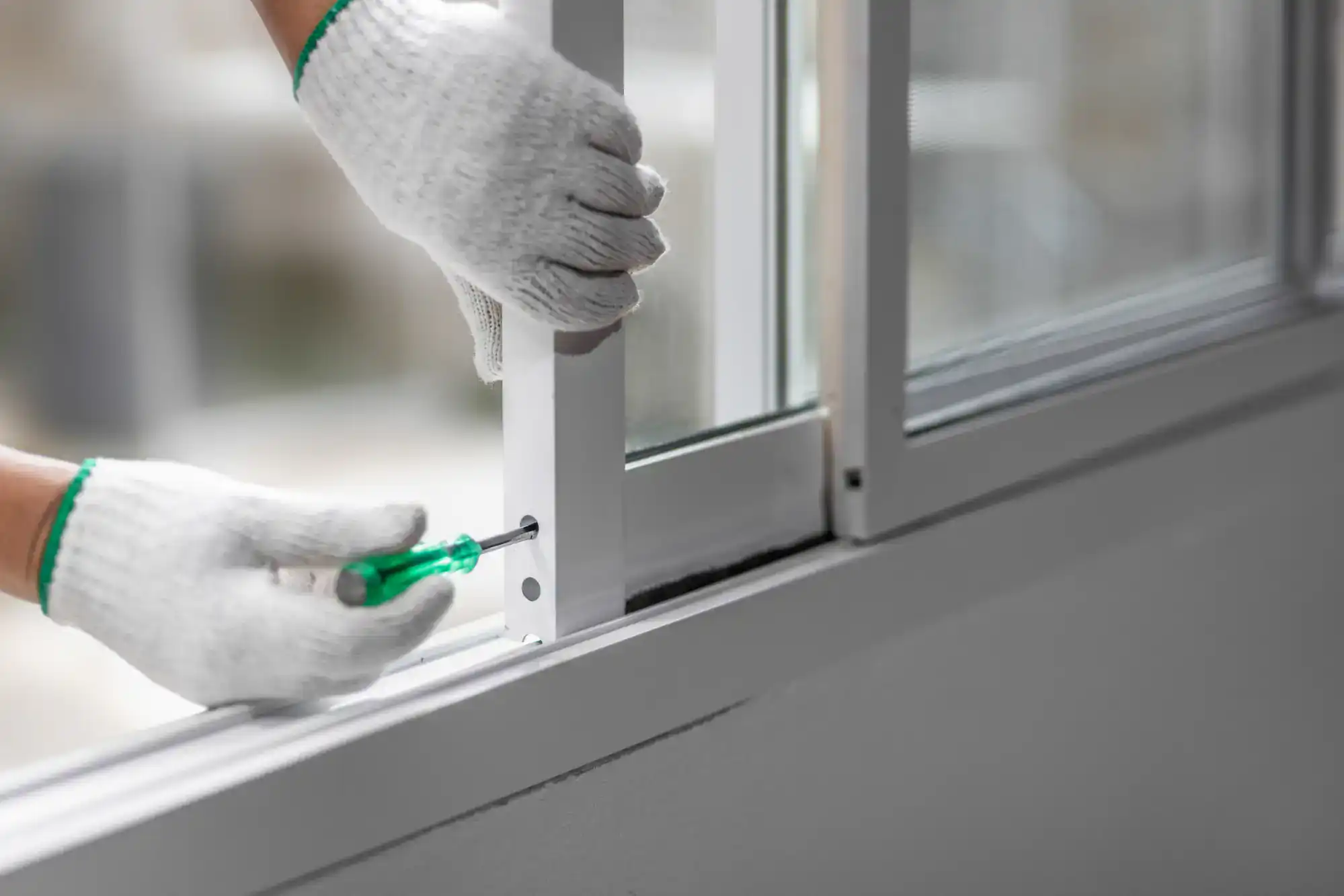
Installation itself moves quickly. A professional crew can complete 8 to 12 insert replacement windows in a single day. Most Bethesda homes are done in one visit. The crew handles the removal, the installation, the flashing and sealing, and the cleanup before they leave. If the project reveals anything adjacent trim that needs repair, drywall that needs patching, paint that needs touching up we can handle that too, which is something a window-only specialist can’t offer.
Ready to get started?
Window replacement in Bethesda covers a wide range of window styles and situations. Double-hung windows are the most common replacement type in this area they’re practical, easy to clean, and widely available in ENERGY STAR-certified configurations. Casement windows, picture windows, bay windows, and sliding windows are all part of our scope depending on what’s in your home and what you’re replacing them with.
On the material side, vinyl is by far the most common choice it covers roughly 70 percent of all U.S. window replacements, holds up well through the DC metro’s full seasonal range of hot, humid summers and cold winters, and requires minimal maintenance. Wood windows remain an option for homeowners in older Bethesda homes where the architectural character calls for it, particularly in neighborhoods where HOA guidelines or historic preservation considerations influence exterior appearance decisions. Fiberglass is a third option worth considering for its durability and longer lifespan.
Every window we install is selected for energy performance. Low-E glass coatings and argon gas fills between panes are standard recommendations for this climate they reduce solar heat gain through south- and west-facing windows in summer and retain interior heat during winter. ENERGY STAR-certified windows also qualify for a federal tax credit under IRS Section 25C: 30 percent of material costs, up to $600 per year, through 2032. That credit requires the right products and proper documentation both of which we handle correctly from the start.
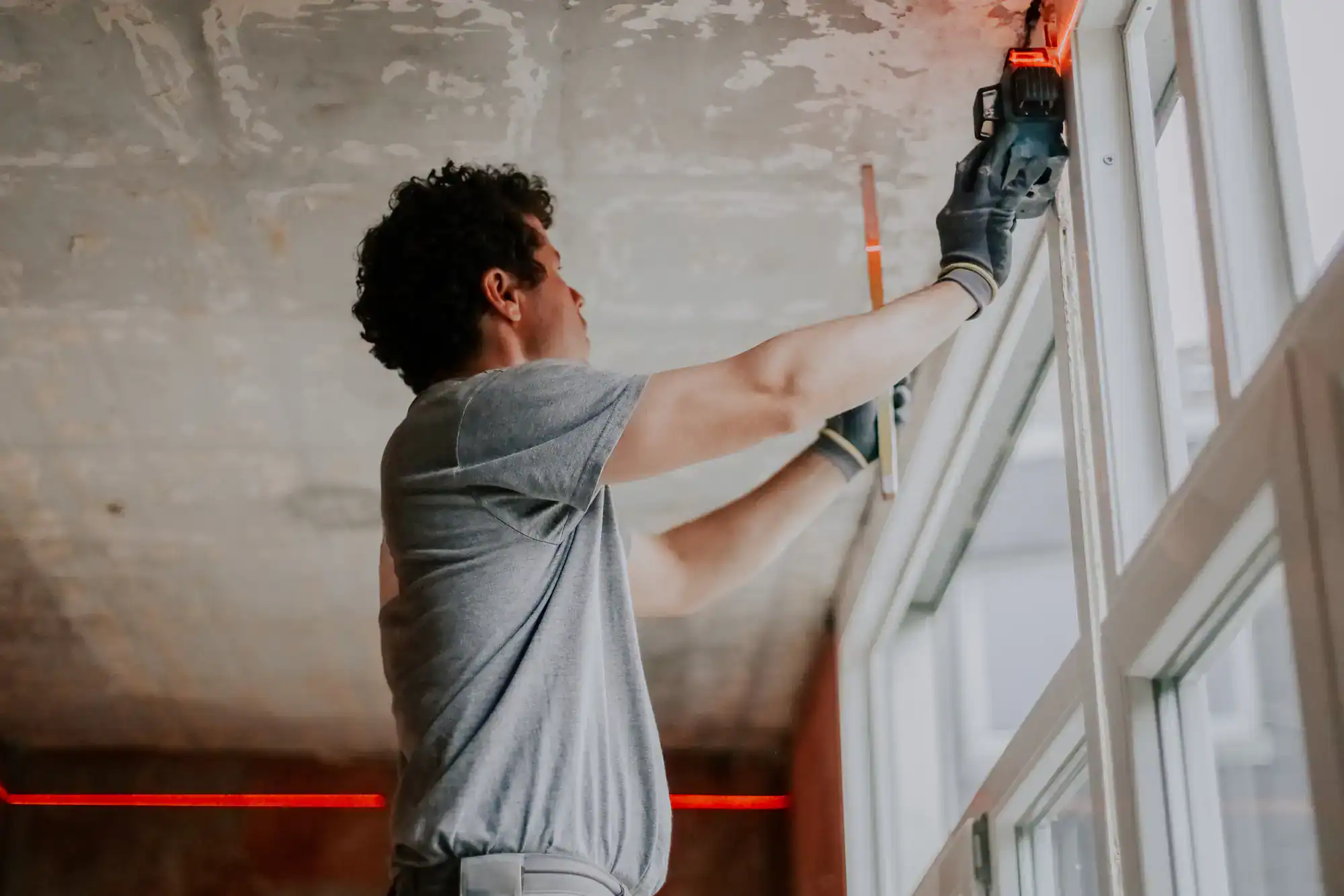
For most window replacement projects in Bethesda, the answer is no but it depends on the scope. Bethesda is an unincorporated community in Montgomery County, which means all permits go through Montgomery County’s Department of Permitting Services, not a city office. Montgomery County follows the 2021 International Residential Code, which went into effect in December 2024. Under those rules, like-for-like window replacement where you’re swapping out a window in the same rough opening without changing its size generally does not require a building permit.
Where permits do come into play is when the rough opening itself changes, such as when you’re enlarging or repositioning a window. Full-frame replacement that modifies the framing triggers the permit requirement. A straightforward residential permit through Montgomery County DPS typically takes two to three weeks to process. If your project is more complex, plan for five to eight weeks. We factor this into your timeline upfront so nothing catches you by surprise.
There are a few clear indicators. If you see fogging or condensation between the panes of a double-pane window, the seal has failed that gap is no longer insulating, and it cannot be repaired to its original performance level. The only real fix is replacement. If your frames are rotted, warped, or pulling away from the wall, repair won’t restore the structural integrity or the energy performance. Single-pane glass is another clear indicator no amount of weatherstripping brings single-pane windows up to modern efficiency standards.
On the other hand, if the frame is structurally sound and the seal is intact, some issues sticky hardware, worn weatherstripping, a broken lock can be addressed without full replacement. In older Bethesda homes, particularly those built in the 1940s through 1960s in neighborhoods like Edgemoor or Chevy Chase, the combination of age, humidity exposure, and thermal cycling through DC’s climate means frame deterioration is common even when the glass itself looks fine. An in-person assessment is the only way to know for sure.
The DC metro climate puts real stress on windows from both directions hot, humid summers where solar heat gain through south- and west-facing glass drives up cooling costs, and cold winters where single-pane or failed-seal windows let heat escape steadily. For Bethesda specifically, a double-pane window with Low-E glass coating and argon gas fill addresses both problems. The Low-E coating reflects solar heat in summer while still allowing natural light, and the argon gas fill between panes improves insulation in winter.
ENERGY STAR-certified windows are rated by climate zone, and the Greater DC area has specific U-factor and Solar Heat Gain Coefficient requirements that qualifying windows must meet. Vinyl frames are the most common choice because they don’t warp or rot in humidity, require minimal maintenance, and are available in a wide range of ENERGY STAR-certified configurations. Wood frames are worth considering for older homes with specific architectural requirements, but they need more upkeep in a humid climate like this one. Fiberglass holds up exceptionally well but comes at a higher material cost.
Yes and in Bethesda’s market specifically, the argument is stronger than in most places. The 2025 Cost vs. Value Report from Zonda puts the resale return on vinyl window replacement at 67 to 76 percent of project cost, with an average resale value addition of $16,657. In a market where the median sale price is around $1.3 million and homes sell in an average of 19 days, the math tilts further in your favor.
The more direct impact, though, is on the inspection and negotiation process. Bethesda buyers are sophisticated many are physicians, attorneys, and federal executives who approach a home purchase methodically. Fogged glass, stuck sashes, and deteriorating frames show up in inspection reports, and buyers use those findings to negotiate price reductions or request concessions. Replacing windows before you list eliminates those red flags. It also signals to buyers that the home has been actively maintained, which in a competitive multiple-offer environment can be the difference between a clean offer and a conditional one.
Yes. Under the Inflation Reduction Act, Section 25C of the IRS tax code offers a 30 percent federal tax credit on qualifying window materials, up to $600 per year, through 2032. To qualify, the windows must meet ENERGY STAR Most Efficient certification standards which are more stringent than standard ENERGY STAR certification. The credit applies to material costs, not labor, and you claim it on IRS Form 5695 when you file your taxes for the year the windows were installed.
For a Bethesda homeowner replacing 10 windows with qualifying products, this is real, tangible money back not a vague future benefit. The key is making sure the right products are specified from the start and that you have proper documentation of the certification. We handle that as part of the project, not an afterthought. It’s also worth noting that the $600 cap resets annually, so if you’re replacing windows in phases across two tax years, you may be able to claim the credit in both years depending on your project scope and timing.
Several of Bethesda’s most established neighborhoods including Edgemoor, Battery Park, and Bannockburn have active homeowners associations that may require board approval before exterior changes are made to a home. In some cases, the HOA has specific requirements about window profile, grille pattern, or frame color to maintain the visual consistency of the neighborhood. Installing windows without going through that process can result in a violation notice and a costly remediation.
We’ve been working in these neighborhoods for decades and understand how to approach HOA-governed projects correctly. That means identifying upfront whether your association requires approval, helping you understand what documentation or specifications the board typically needs to see, and selecting window products that meet both your energy efficiency goals and the neighborhood’s architectural standards. For homes in areas near Glen Echo Heights or Westmoreland that fall within or adjacent to Montgomery County Historic Preservation Commission review zones, we ask the right questions before any work begins, not after.
Other Services we provide in Bethesda