“
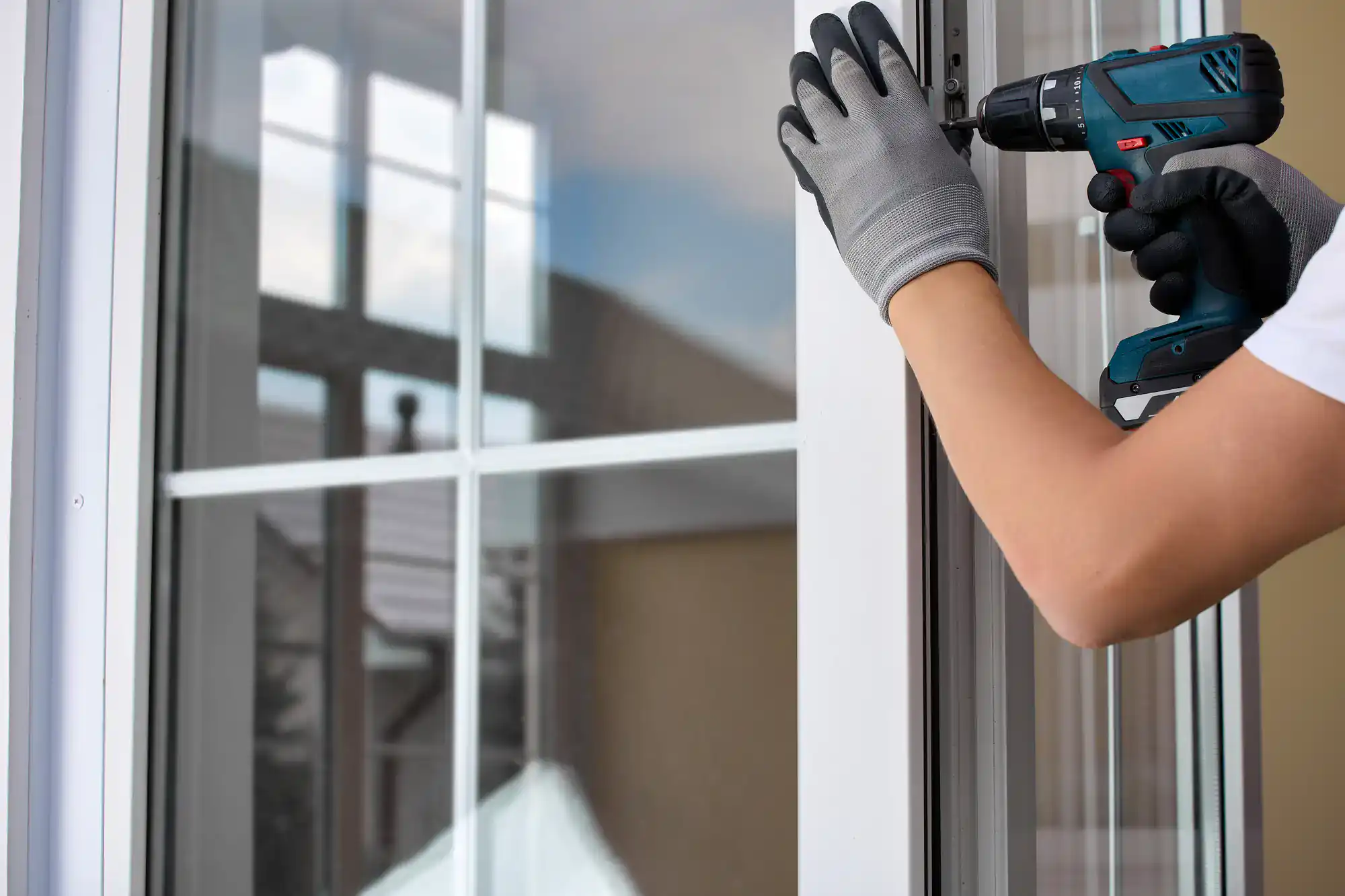
Most Cabin John homes were built between the late 1940s and the mid-1960s. That’s a lot of character and a lot of windows that are well past their useful life. A vinyl window from a 1985 replacement job is now 40 years old. Even if it still opens and closes, the seal has almost certainly failed. The insulating gas is gone. You’re heating and cooling the outdoors, and your utility bills are reflecting it.
The U.S. Department of Energy puts it plainly: windows account for 25 to 30 percent of a home’s heating and cooling energy loss. In a mid-century rambler or split-level sitting in the Cabin John Creek valley where the Potomac River and the C&O Canal push persistent humidity through the tree canopy year-round that number skews toward the high end. Elevated moisture accelerates wood frame rot, degrades double-pane seals, and causes the fogging between panes that no amount of cleaning will fix.
Replace those windows with ENERGY STAR-certified units and you’re looking at documented average savings of around $42.50 per month, according to a 2025 This Old House survey. The federal tax credit through 2032 adds another layer: 30 percent of material costs, up to $600 per year, for qualifying windows. On a Cabin John home valued at over a million dollars which describes most properties in this area that’s a straightforward investment in an asset worth protecting.
We’ve been working in the DC metro area since 1973, with deep roots in Cabin John and the surrounding communities. That’s not a marketing line it’s a verifiable fact. The company was founded by Gordon Franks, who still personally responds to inquiries, writes contracts, and stays involved in every project. When you reach out, you’re talking to the person accountable for the outcome.
Our office is in Bethesda, roughly three to five miles from Cabin John via MacArthur Boulevard. This isn’t a regional chain routing calls through a dispatch center. We’re a locally rooted contractor that knows the housing stock along this corridor, has worked in it for decades, and has the track record to prove it.
We hold active contractor licenses in Maryland (MHIC #28145), Washington D.C. (#39937921), and Virginia (#2705077763). We’ve earned over 300 recommendations on Washington D.C. Consumers’ Checkbook a subscription-based, editorially independent review platform that Cabin John’s research-oriented residents tend to trust precisely because it isn’t free or anonymous.

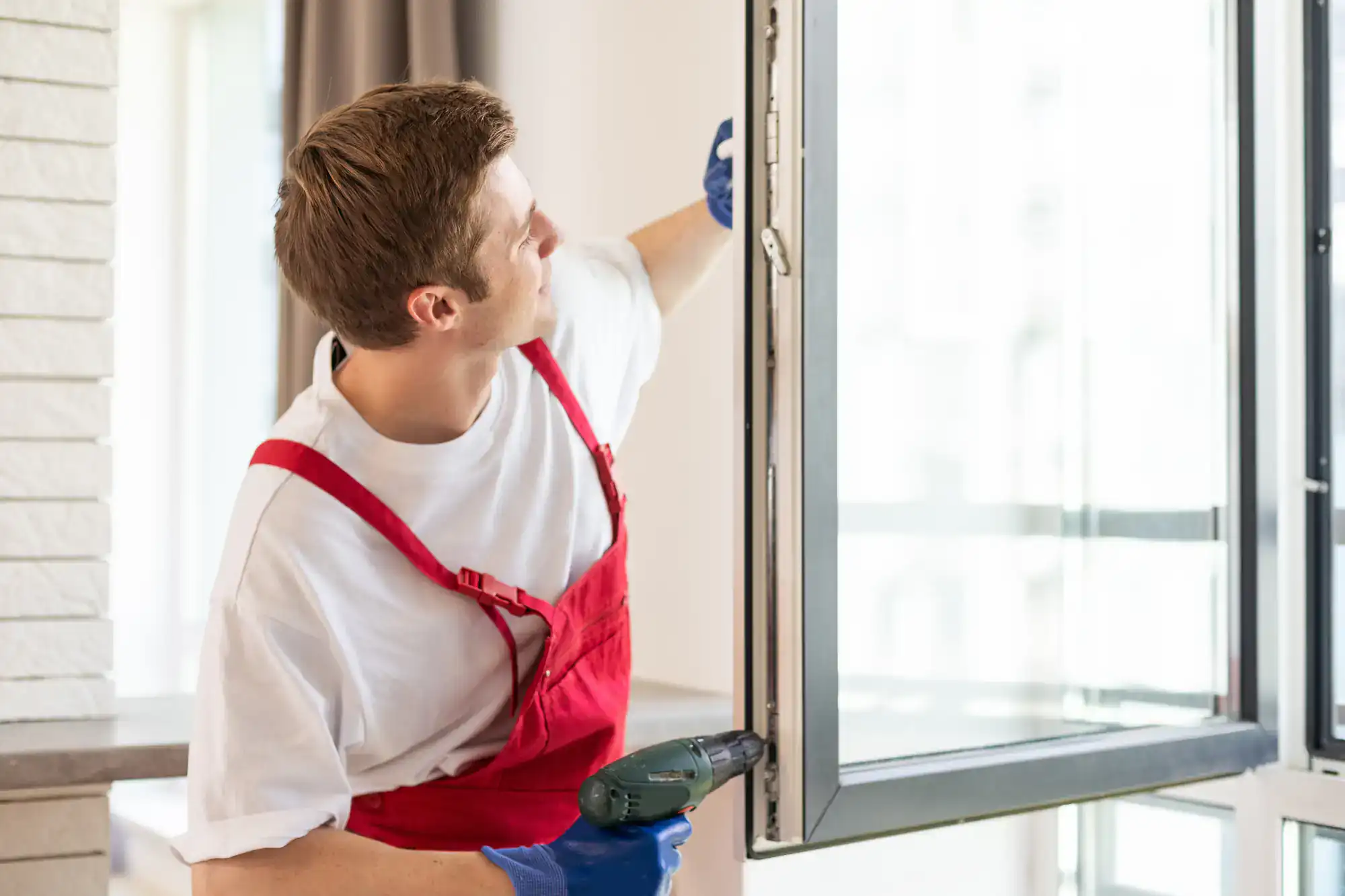
It starts with an estimate. Gordon Franks comes out, looks at what you have, and gives you a clear, written quote no vague ranges, no pressure. For most Cabin John homes, the conversation covers which windows are performing the worst, what replacement type makes sense for the existing openings, and whether any surrounding trim or framing needs attention before the new units go in.
That last part matters more here than in newer communities. Mid-century homes along the MacArthur Boulevard corridor often have original wood casing and interior sills that have absorbed decades of moisture from the river valley. A window-only installer puts in the glass and leaves the rest for someone else to handle. As a full-service general contractor, we can take care of the carpentry, trim repair, and painting in the same project one contract, one crew, one point of contact.
On permit requirements: Montgomery County adopted the 2021 International Energy Conservation Code effective December 2024, which sets minimum energy performance standards for replacement windows. A permit is generally not required for like-for-like window replacement where the opening size stays the same, but it is required if the rough opening changes. If your Cabin John home has a historic designation relevant to some of the older properties and the Cabin John Gardens cooperative a Historic Area Work Permit from the Montgomery County Historic Preservation Commission may also apply. We’re familiar with the Montgomery County permitting environment and can help you understand what’s needed before work begins.
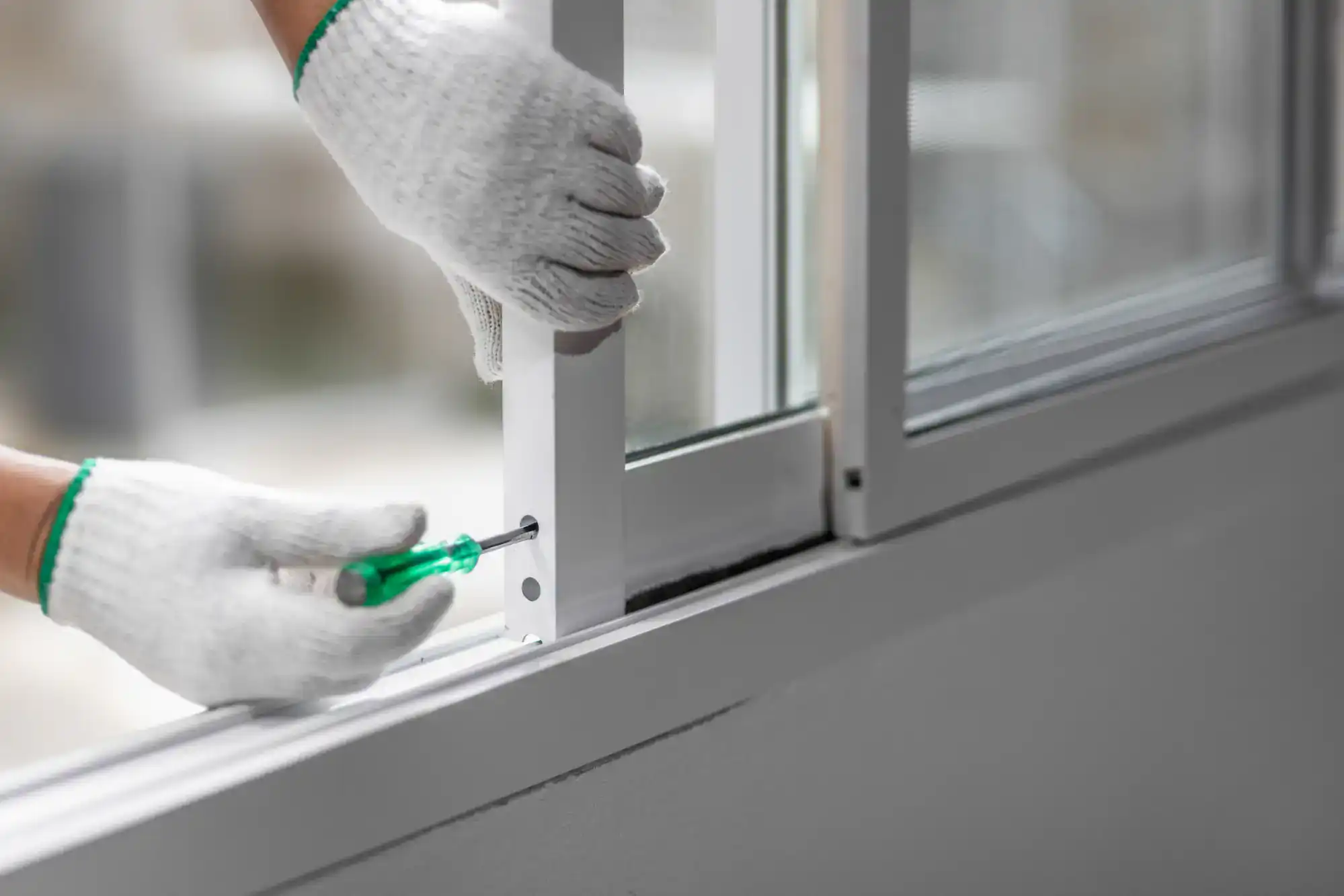
Most insert replacement projects move quickly. A professional crew can install eight to twelve windows in a single day, with cleanup done before they leave. For most homeowners, the disruption is one day the improvement lasts decades.
Ready to get started?
Cabin John’s position in the Potomac Gorge a geographic transition zone where elevation drops sharply and the river corridor channels wind, fog, and temperature swings creates real mechanical stress on window systems. Repeated thermal cycling through DC’s hot summers and cold winters, combined with the elevated humidity off the Potomac River and the C&O Canal, degrades seals, warps frames, and shortens the lifespan of windows that weren’t specified for those conditions.
The window replacement work we do in Cabin John focuses on ENERGY STAR-certified units with NFRC ratings you can verify independently. Double-pane insulating glass with Low-E coatings and argon gas fills is the standard for this climate it handles both the solar heat gain in summer and the heat loss in winter, and it holds up significantly better against the moisture exposure that defines this particular stretch of Montgomery County. Double-hung windows are the most common replacement type in Cabin John’s mid-century housing stock, and their tilt-in sashes make cleaning easier on the wooded lots where the tree canopy deposits debris year-round.
For homes with historically significant features original millwork, plaster walls, canal-era trim details our installation approach is careful and deliberate. We’ve been working in older DC metro homes for over 50 years. Our crew understands what’s behind the walls in a 1958 rambler or a WWII-era bungalow, and we treat the surrounding structure accordingly. The 2025 Zonda Cost vs. Value Report puts the resale return on vinyl window replacement at 67 to 76 percent, adding an average of $16,657 in resale value meaningful on a Cabin John home where median property values sit at $1.31 million.
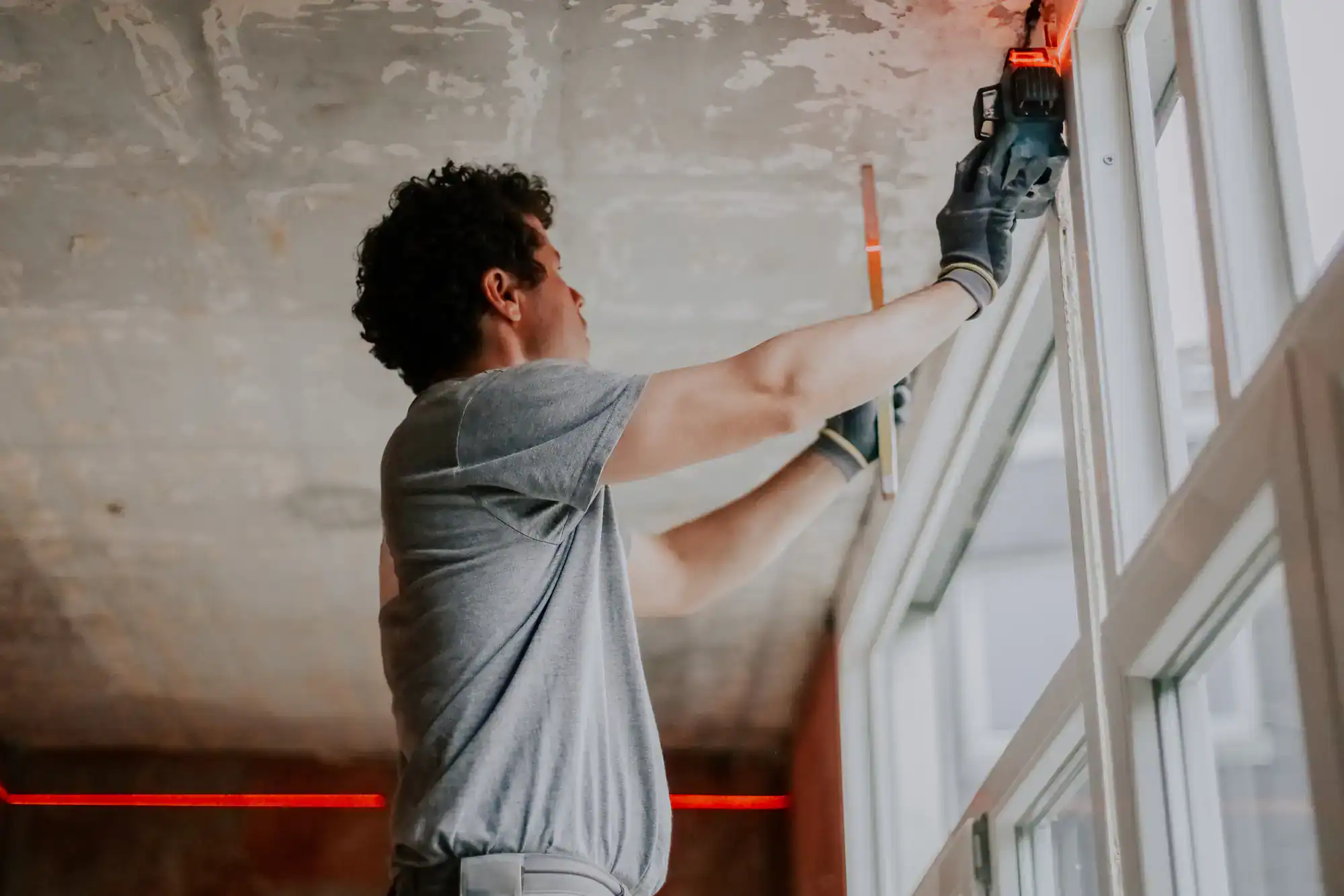
For most standard window replacements in Cabin John where you’re swapping out an existing window for a new one in the same opening Montgomery County does not require a building permit. The work is considered like-for-like, and no permit is triggered as long as the rough opening size stays the same.
Where it gets more specific is if you’re changing the size of the opening, adding a window where there wasn’t one before, or converting a window to a door. In those cases, a permit from Montgomery County’s Department of Permitting Services is required. There’s also a separate consideration for historically designated properties in Cabin John. Montgomery County’s Historic Preservation Commission requires a Historic Area Work Permit for exterior work on properties listed on the county’s Master Plan for Historic Preservation. Some of the older homes in Cabin John including properties near the Union Arch Bridge and within the Cabin John Gardens cooperative may fall under that designation. We can help you work through that question before the project starts.
The honest answer is that repair is sometimes the right call and a contractor who tells you otherwise before looking at what you have isn’t being straight with you. For minor issues like a broken hardware piece, a stuck sash, or a small gap in weatherstripping, repair is usually faster and cheaper than replacement.
But there are conditions where repair simply can’t get you back to a functional, efficient window. If you’re seeing fogging or condensation between the panes of a double-pane unit, that seal has failed permanently. The insulating gas is gone, and no repair restores it the glass unit needs to be replaced. Rotted wood frames, particularly common in Cabin John’s older homes given the persistent humidity off the Potomac River and the C&O Canal, can’t be patched to modern performance standards once the deterioration is structural. Single-pane glass from the original construction of a mid-century home doesn’t meet current energy code requirements regardless of its physical condition. If you’re dealing with any of those three failed seals, rotted frames, or single-pane glass replacement is the practical path forward.
Double-hung windows are the most common and practical choice for the mid-century ramblers, split-levels, and colonials that make up the core of Cabin John’s housing stock. They match the original window profiles in most of these homes, which matters both aesthetically and structurally you’re not modifying the rough opening, which keeps the project simpler and avoids permit requirements in most cases. The tilt-in sashes on modern double-hung units also make cleaning significantly easier, which is a real consideration on Cabin John’s wooded lots where tree debris accumulates on the glass year-round.
For frame material, vinyl is the dominant choice for good reason it doesn’t rot, doesn’t require painting, handles the humidity off the Potomac corridor better than wood, and carries a lifespan of 20 to 40 years. For glass, double-pane units with Low-E coatings and argon gas fills are the right specification for this climate. Low-E glass reduces solar heat gain in summer and retains interior heat in winter, and it qualifies for the federal ENERGY STAR tax credit up to $600 per year on qualifying installations through 2032. If your Cabin John home has original millwork or historic trim details you want to preserve, that’s a conversation worth having before the project starts, not after.
Yes, and the financial case doesn’t depend on a near-term sale. The energy savings alone are real and recurring. Documented average savings from replacing old windows with ENERGY STAR-certified units run around $42.50 per month, based on a 2025 This Old House survey. That’s over $500 per year, every year, for the life of the windows. In a community like Cabin John where electricity prices have risen 30 percent nationally over the past decade and another 10 percent in just the first half of 2025 those savings compound meaningfully over time.
There’s also the comfort argument, which doesn’t show up in a spreadsheet but matters in daily life. Cold spots near aging windows, drafts along the MacArthur Boulevard-side walls of older homes, and the persistent condensation that comes with failed seals these aren’t just energy problems, they’re comfort problems. New windows with proper insulating glass and tight installation eliminate them. The federal tax credit through 2032 means you can recover up to $600 in the year you install, reducing the net cost of the project in the first year. The resale value benefit 67 to 76 percent return on project cost, per the 2025 Zonda Cost vs. Value Report is a bonus on top of all of that.
For most Cabin John homes, a standard insert replacement project where the new window goes into the existing frame without changing the rough opening takes about 45 to 60 minutes per window. A professional crew can typically complete eight to twelve windows in a single day. A 10-window home is usually done in one day, with cleanup completed before the crew leaves.
Insert replacement is also the least invasive method. The exterior casing and interior trim stay in place, which means no drywall patching, no repainting of entire wall sections, and no major disruption to the interior of your home. The exception is when the surrounding frame or trim needs attention which is more common in Cabin John’s older homes, particularly those with original wood casing that has absorbed moisture over decades near the river corridor. We can handle the carpentry and finishing work as part of the same project, rather than leaving you to coordinate a separate contractor. The goal is always to leave your home in better condition than it was found, not just to swap glass and move on.
Window-only specialists do one thing: install glass. That’s fine if your project is straightforward and the surrounding structure is in good shape. But in Cabin John’s mid-century housing stock homes built in the 1950s and 1960s that have been absorbing river valley humidity for 60-plus years window replacement rarely happens in a vacuum. The wood casing around an aging window in a 1962 colonial may need repair. The interior sill may be soft. The exterior paint around the frame will need touching up. A window-only company installs the unit and hands you a list of additional contractors to call.
We’re a licensed general contractor with over 50 years of experience in the DC metro market. That means carpentry, painting, trim work, and finishing are all part of what we can handle under one contract, with one point of contact. For Cabin John homeowners who are already managing demanding professional schedules and don’t want to coordinate multiple trades for what should be a single project, that matters. We hold active licenses in Maryland, DC, and Virginia, carry full general liability and workers’ compensation insurance, and have earned over 300 recommendations on Washington D.C. Consumers’ Checkbook a platform that Cabin John’s research-oriented residents tend to rely on precisely because it’s subscription-based and editorially independent, not a free review aggregator.
Other Services we provide in Cabin John