“
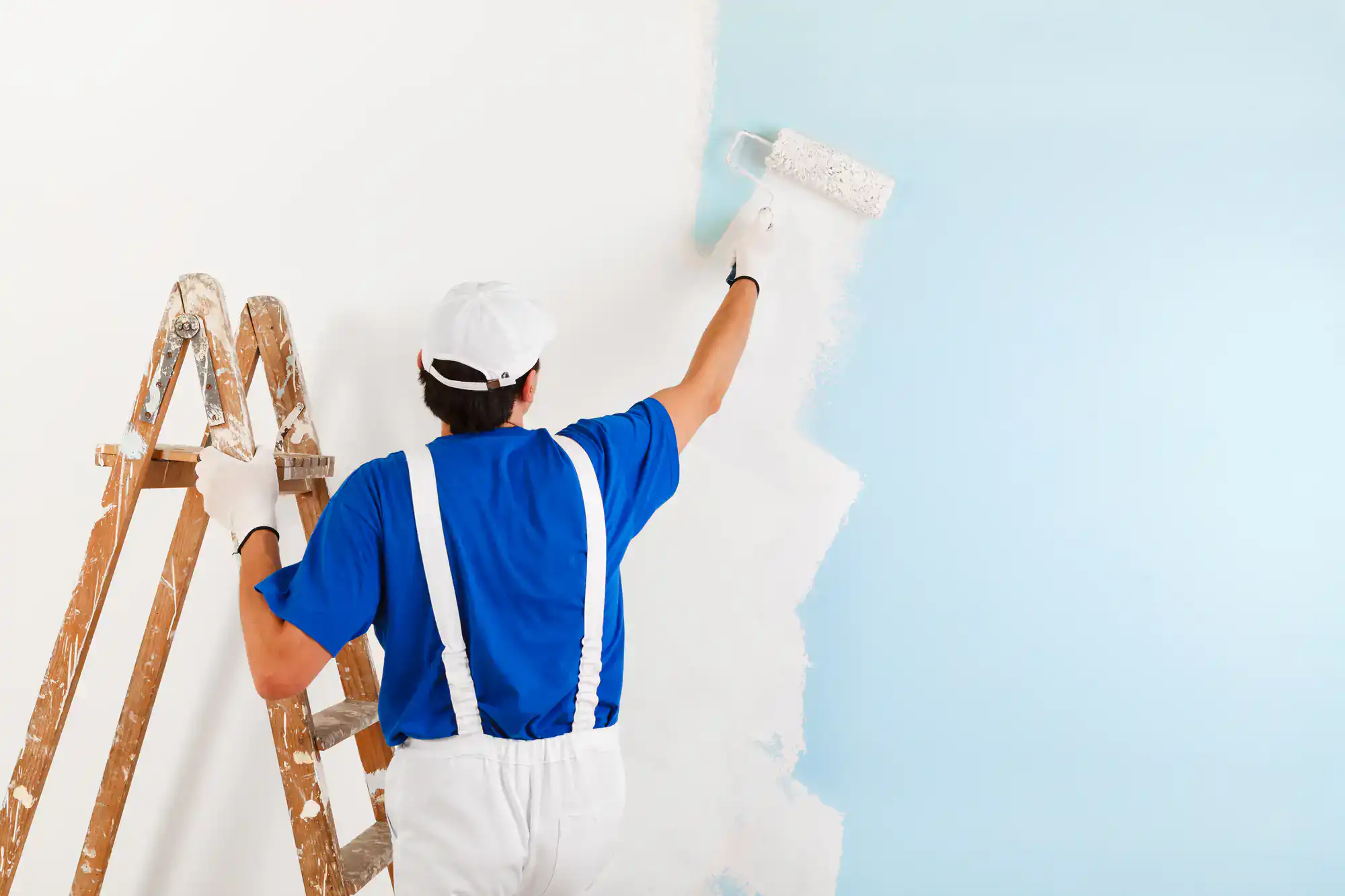
Most homeowners in Layhill aren’t just looking for a color change. They want to know the work will hold up that two years from now, they won’t be staring at bubbling paint on a north-facing wall that never fully dried because the surface wasn’t cleaned before anyone picked up a brush.
Layhill’s founding subdivisions Layhill Village, Layhill Forest, Strathmore at Bel Pre, and the original Layhill South homes were built between 1963 and 1969. These are homes with decades of paint layers on them, some with lead-containing paint beneath the surface, and many sitting on wooded lots where shade and moisture create conditions that accelerate paint failure faster than most homeowners realize.
A properly prepared and painted exterior on one of these Layhill homes doesn’t just look better it actively protects the structure from the moisture infiltration that leads to rot, mold, and repair bills that dwarf the cost of a repaint. On the inside, a well-executed interior painting job in a home worth $500,000 or more isn’t a cosmetic indulgence. Interior painting delivers an average ROI of 107%, and for Layhill homeowners thinking about resale or simply protecting what they’ve built, that’s a number worth taking seriously.
The outcome you’re really after is a home that looks the way it should and stays that way and that starts with prep, not paint.
We were founded in 1973 by Gordon Franks, who started the company to pay his tuition at the University of Maryland. That’s not a marketing story it’s just the truth, and it says something about how we’ve operated ever since. When you build something with your own hands from nothing, you don’t cut corners on the work.
We’re headquartered in Bethesda, roughly 12 to 15 miles from Layhill via Georgia Avenue, and have been serving Montgomery County homeowners throughout that entire 50-year span. Layhill, Glenmont, the communities along Layhill Road and Bel Pre Road this is familiar territory. The crew that shows up at your home isn’t figuring out the neighborhood for the first time.
We hold a current Maryland Home Improvement Commission license (MHIC #28145), are fully licensed in D.C. and Virginia as well, and have earned 300+ recommendations on Washington D.C. Consumers’ Checkbook a paid-subscription nonprofit platform that Montgomery County homeowners have relied on for decades. Those aren’t stars on a free app. They’re the kind of recommendations that come from people who used our service, were satisfied, and said so on a platform designed specifically to hold contractors accountable.

The first step is an estimate detailed, written, and specific about what’s included. You’ll know exactly what surfaces are being painted, how many coats, what prep steps are involved, and what paint we’ll use. No verbal ballparks. No surprises at the end.
Before any paint goes on, the prep work happens. For exterior projects on Layhill’s older homes, that means power washing to remove the algae and mildew that accumulates on shaded, tree-adjacent siding particularly on north-facing walls in Layhill Village and Layhill Forest where the white oak and red maple canopy keeps surfaces damp longer than they should be. We scrape loose paint, sand rough edges, caulk around windows and door frames where the seal has failed, and prime bare or repaired surfaces before a single finish coat is applied. On homes built before 1978, we follow lead paint protocols. That’s not optional it’s how the work gets done.
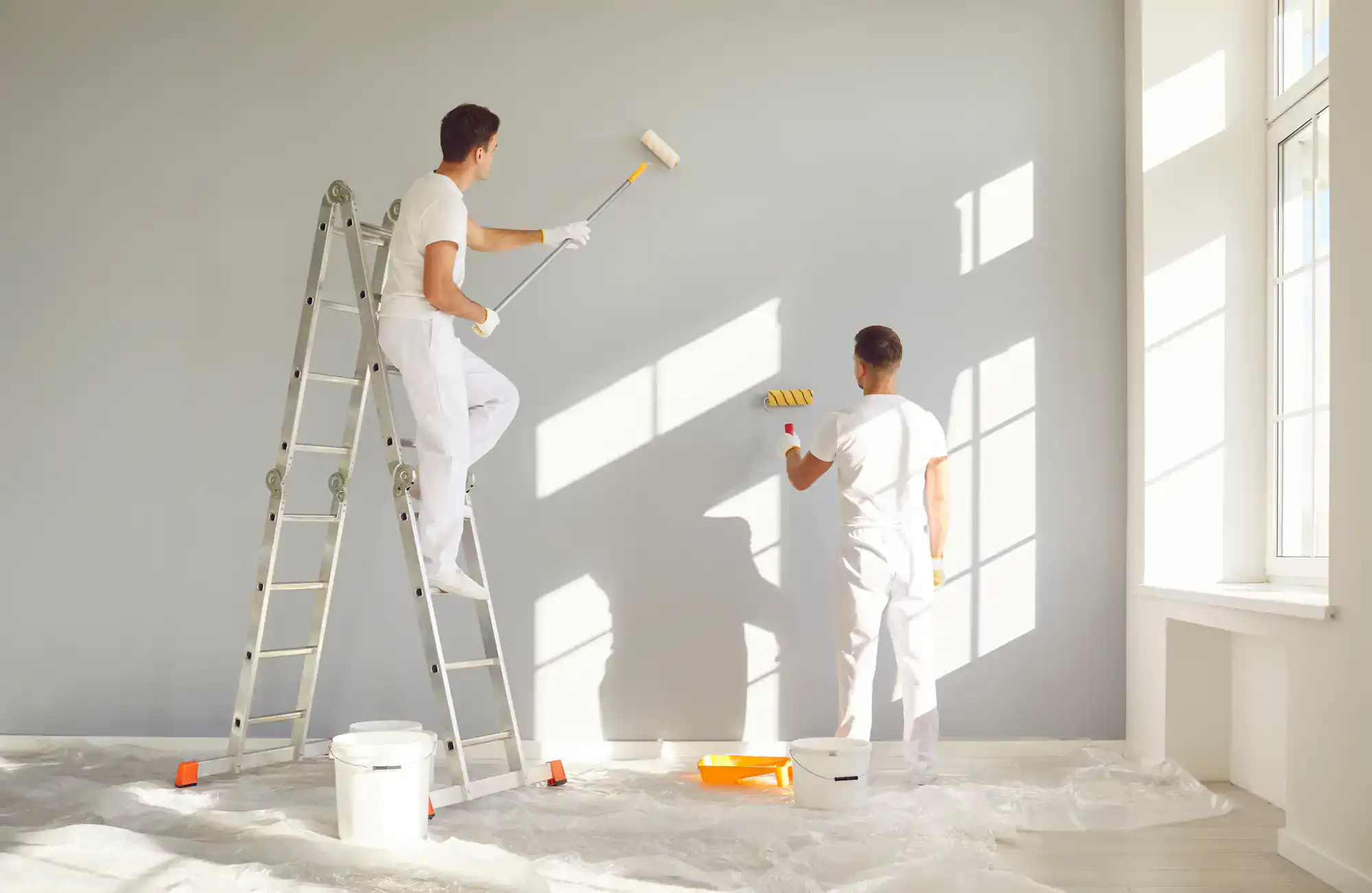
For interior painting in Layhill, the same principle applies. We protect furniture and floors. Surfaces are cleaned and primed where needed. The goal is clean lines, consistent coverage, and a finish that looks right in every light condition not just the afternoon light we were working in. Once the job is complete, you do a walkthrough. If something isn’t right, we address it before anyone leaves.
Scheduling is straightforward, communication is prompt, and the process doesn’t leave you guessing at any stage.
Ready to get started?
We handle interior painting, exterior painting, cabinet painting and refinishing, deck staining, ceiling painting, door painting, decorative and faux painting, lead paint removal, popcorn ceiling removal, and drywall repair. For Layhill homeowners, several of these services are particularly relevant given the age and character of the local housing stock.
Lead paint removal is a real consideration in any of Layhill’s pre-1978 subdivisions. If your home was built before 1978 and you’re planning an exterior repaint or interior renovation, this isn’t something to gloss over. Maryland contractors working on pre-1978 homes are expected to follow EPA Renovation, Repair and Painting protocols, and we’re equipped to handle it properly. It’s listed as a service for a reason because in this part of Montgomery County, it comes up regularly.
Cabinet painting is worth a closer look for homeowners in Layhill’s older neighborhoods who are living with original or dated kitchen cabinetry. Professional cabinet painting costs a fraction of full replacement, delivers a smooth, durable finish when done correctly, and can last 7 to 15 years with proper prep. For a home in Layhill South or Layhill Village where the bones are solid but the kitchen feels stuck in another decade, it’s one of the most impactful changes you can make without a full renovation.
We also offer broader remodeling services kitchen and bath work, hardwood flooring, tiling, carpentry, and decks so if your project goes beyond paint, you’re not managing multiple contractors to get it done.
If your home was built before 1978, yes this is something you should ask about before any painting work begins. The federal government banned lead-based paint in residential homes in 1978, and most of Layhill’s founding subdivisions Layhill South, Layhill Village, Layhill Forest, Strathmore at Bel Pre, and Chaddsford were built between 1963 and 1969. That means a significant portion of homes in these neighborhoods have at least some lead-containing paint somewhere on the surface, whether it’s visible or buried under subsequent layers.
The EPA’s Renovation, Repair and Painting rule governs how contractors should handle lead paint disturbance during home improvement work. Sanding, scraping, or cutting into painted surfaces on pre-1978 homes can release lead dust, which is a health hazard particularly for children and pregnant women. We offer lead paint removal as a service and follow appropriate protocols when working on older homes in Layhill and throughout Montgomery County. Before your project starts, let the estimator know your home’s approximate build year so the scope of work can account for it properly.
In general, a quality exterior paint job lasts 7 to 10 years in a moderate climate with proper prep and good materials. But Layhill’s specific conditions can push that timeline shorter for some homes. The combination of hot, humid summers with heat index values regularly reaching into the mid-to-upper 90s across Montgomery County cold winters, and the freeze-thaw cycling that happens between November and March puts real stress on exterior paint films, especially around windows, door frames, and any area where caulking has started to fail.
Homes on wooded lots in Layhill Village and Layhill Forest face an additional factor: the tree canopy keeps north-facing and shaded walls damp longer after rain, which creates favorable conditions for algae and mildew growth that degrade paint faster than UV exposure alone would. If your Layhill home is in one of these neighborhoods and you’re seeing chalking, fading, peeling at the edges, or a greenish tint on shaded siding, those are signs the exterior is ready for attention regardless of when it was last painted.
For most homeowners in Layhill’s older neighborhoods, cabinet painting is absolutely worth it and the math is straightforward. Professional cabinet painting typically costs a fraction of full cabinet replacement, while a full kitchen renovation with new cabinets can run significantly higher. If your cabinet boxes are structurally sound no warping, no water damage, no broken frames painting them professionally delivers a result that’s hard to distinguish from new, and can last 7 to 15 years when done with proper prep and quality coatings.
The key word there is “professionally.” Cabinet painting is not the same as rolling wall paint onto a door panel. It requires degreasing, sanding, priming, and in most cases spray application to achieve a smooth, factory-like finish. A brush-and-roll approach without proper prep will chip and peel within a year or two. When it’s done right, though particularly in a 1960s or 1970s Layhill kitchen where the layout and cabinet structure are perfectly functional but the finish looks dated it’s one of the highest-return updates you can make before listing or simply for your own enjoyment of the space.
A written estimate from us will specify the surfaces being painted, the prep steps involved, the number of coats, and the materials we’re using. It’s not a ballpark number handed to you verbally it’s a documented scope of work so you know exactly what you’re agreeing to before anything starts.
For exterior projects in Layhill, the prep scope typically includes power washing to remove dirt, mildew, and algae buildup which is particularly relevant on shaded siding in wooded neighborhoods like Layhill Village and Layhill Forest. It also includes scraping any loose or peeling paint, sanding rough areas, caulking around windows and door frames where the seal has deteriorated, and priming bare or repaired wood before finish coats go on. On homes with pre-1978 construction, the estimate will also address how we’ll handle lead paint. The goal of a detailed written estimate isn’t paperwork for its own sake it’s so you can compare what different contractors are actually offering, not just their bottom-line numbers.
The two best windows for exterior painting in Layhill are mid-to-late spring and early fall. Spring roughly mid-April through early June offers the most favorable combination of moderate temperatures, lower humidity, and dry conditions before the summer heat and humidity set in. Most exterior paints require temperatures above 50°F to cure properly, and spring in Montgomery County consistently delivers that.
Fall is the secondary window, typically September through mid-October, when temperatures moderate again after summer and before the first cold snaps arrive. Many Layhill homeowners who didn’t get their exterior done in spring schedule fall projects during this period. What you want to avoid is scheduling exterior work in the peak of summer not because it can’t be done, but because high heat and humidity can affect how paint applies and cures, and experienced painters will adjust their schedule to work early in the day to avoid the worst of it. Winter exterior painting in Layhill is generally not viable given how frequently temperatures drop below the curing threshold between November and February.
Maryland requires all home improvement contractors including painters to hold a current license from the Maryland Home Improvement Commission, known as the MHIC. This isn’t a formality. An unlicensed contractor working in Layhill or anywhere else in Maryland is operating outside the law, and as a homeowner, that leaves you without legal recourse if something goes wrong whether that’s property damage, an on-site injury, or a dispute over the work.
You can verify any contractor’s MHIC license directly through the Maryland Department of Labor’s online license lookup. We hold MHIC license #28145, which is publicly verifiable. When you’re getting quotes for a painting project in Layhill, asking for the MHIC number upfront is one of the simplest ways to separate legitimate contractors from those operating without one. Beyond state licensing, we’re also licensed in Washington D.C. (License #39937921) and Virginia (License #2705077763) which matters if you ever need work done across jurisdictions, but more immediately signals the kind of operational standard we hold ourselves to across the board.
Other Services we provide in Layhill