“
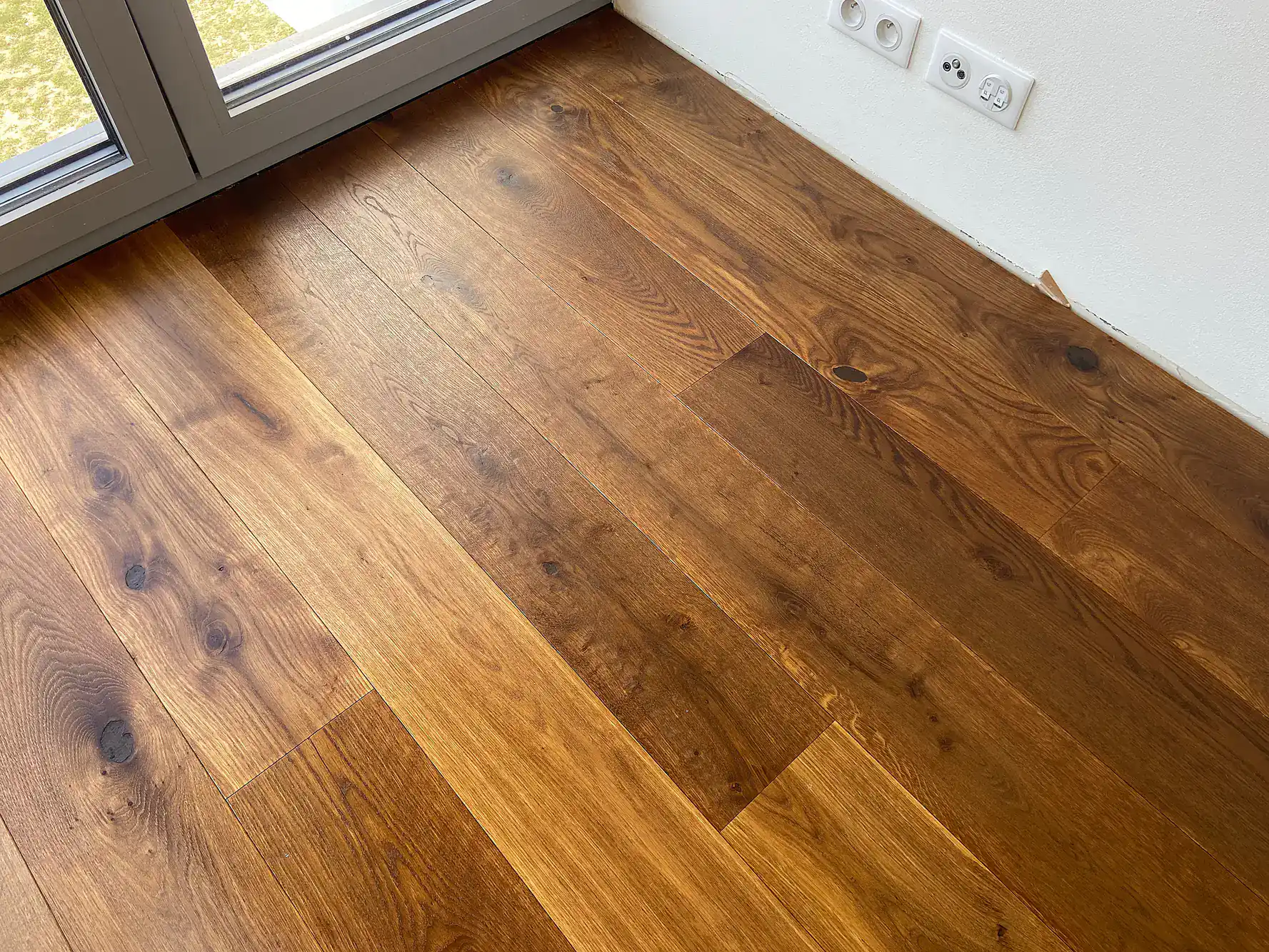
Most homes in Chevy Chase Village were built between 1900 and the 1930s. That means the original oak floors in many of these homes have been through a century of Maryland summers, dry heating seasons, multiple refinishing cycles, and the kind of daily use that leaves its mark. When the work is done right, those floors don’t just look better they look like what they actually are: original hardwood that still has decades of life left in it.
Chevy Chase Village’s climate is genuinely hard on older floors. The humidity swings between a damp, sticky summer and a dry winter heated by forced air create a constant cycle of wood expansion and contraction. Over time, that shows up as seasonal gapping, worn finish in the high-traffic center-hall entry, or a dullness that no amount of cleaning fixes. A proper refinishing job addresses all of that not by covering it up, but by getting down to clean wood and building the finish back up correctly.
In a market where Chevy Chase Village homes regularly trade between $1.3 million and well over $2 million, floor condition isn’t a minor detail. Buyers notice. Real estate agents in this area routinely recommend floor refinishing before listing because the return on that investment is clear. A floor that looks tired in a home at this price point gives buyers a reason to negotiate. A freshly refinished floor removes that reason entirely.
We’re headquartered in Bethesda just a few blocks from Chevy Chase Village and have been working in DC metro homes for over 50 years. That’s not a marketing number. It means our team has worked on Colonial Revivals, Tudors, and center-hall colonials throughout this corridor long enough to know what original-growth oak looks like, how it behaves, and what it takes to bring it back without damaging what makes it worth saving.
Gordon Franks, our owner, personally supervises crews and stays in direct contact with clients throughout the job. You’re not handing your home over to an anonymous crew and hoping for the best. There’s a named person responsible for the outcome and that person is reachable from the first call to the final walkthrough.
With over 300 recommendations on DC Consumers’ Checkbook and a 4.8 out of 5 rating on Houzz, our track record speaks for itself. We hold Maryland MHIC License # 28145, along with DC and Virginia licenses fully covered in every jurisdiction across the DMV.
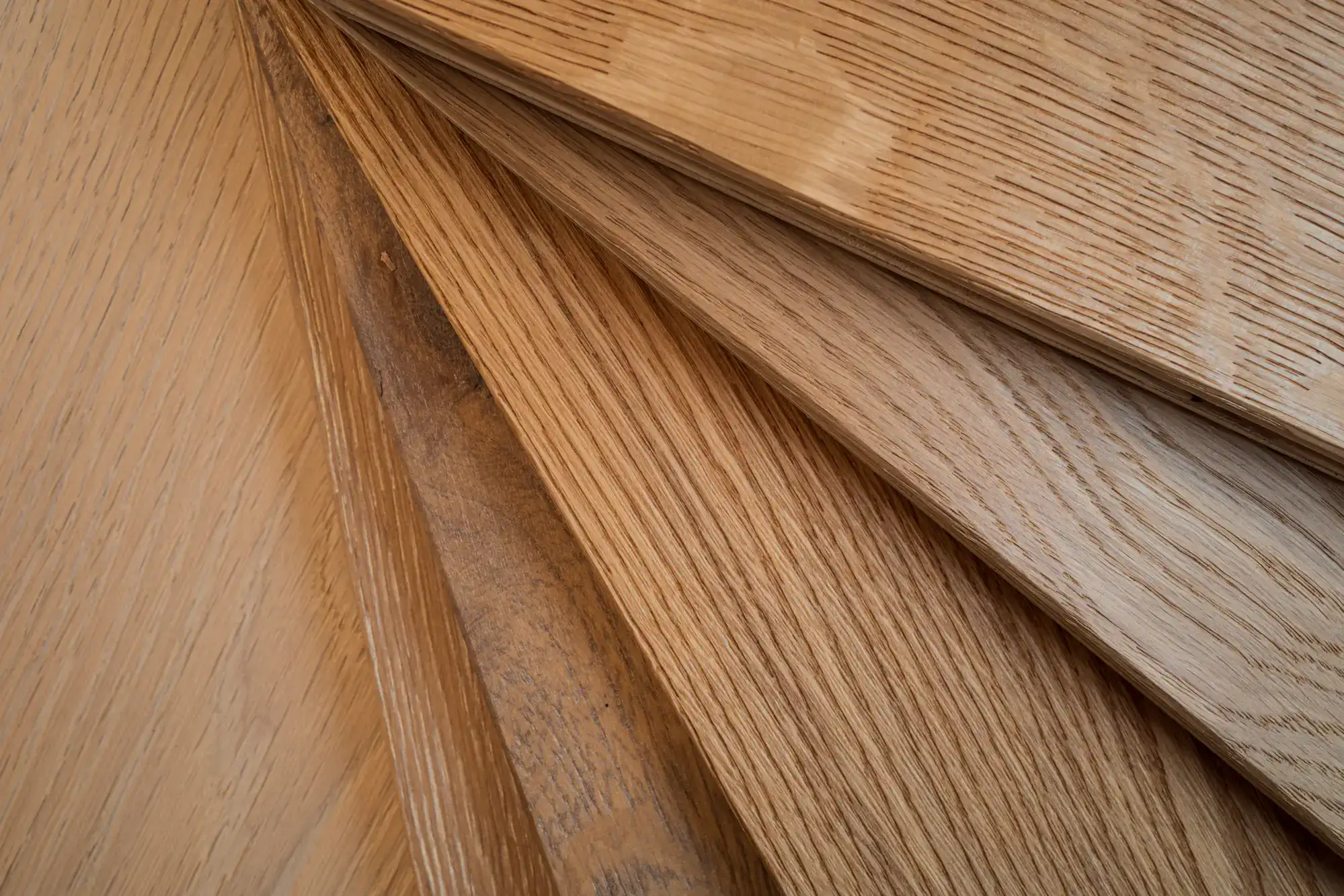
We start with an honest assessment of what your floors actually need. Not every floor in Chevy Chase Village needs a full refinish. Some need targeted board repair first a few boards replaced, gaps addressed, squeaks tracked down and fixed before sanding makes sense. Some engineered floors can be refinished; some can only be recoated. Getting that diagnosis right at the start saves time, money, and the frustration of doing the wrong thing to a floor that deserved better.
Once the scope is clear, the preparation work begins. Floors are sanded in multiple passes using progressively finer grits to get down to clean, even wood without gouging or leaving machine marks. If you’re changing the stain color or going from a darker finish back toward a natural tone that process requires more passes and more care. Between coats, humidity is monitored. This matters more in Chevy Chase Village than people realize: Maryland’s summer humidity can slow finish curing significantly, and a contractor who skips that step is setting you up for a finish that peels or bubbles within a year.
Stain is applied, allowed to penetrate, and then sealed with multiple finish coats. The floor needs time to cure before you can move furniture back and resume normal use. We communicate that timeline clearly so you’re not caught off guard. From start to finish, our goal is a result that lasts not one that looks good for six months and then shows its problems.
Ready to get started?
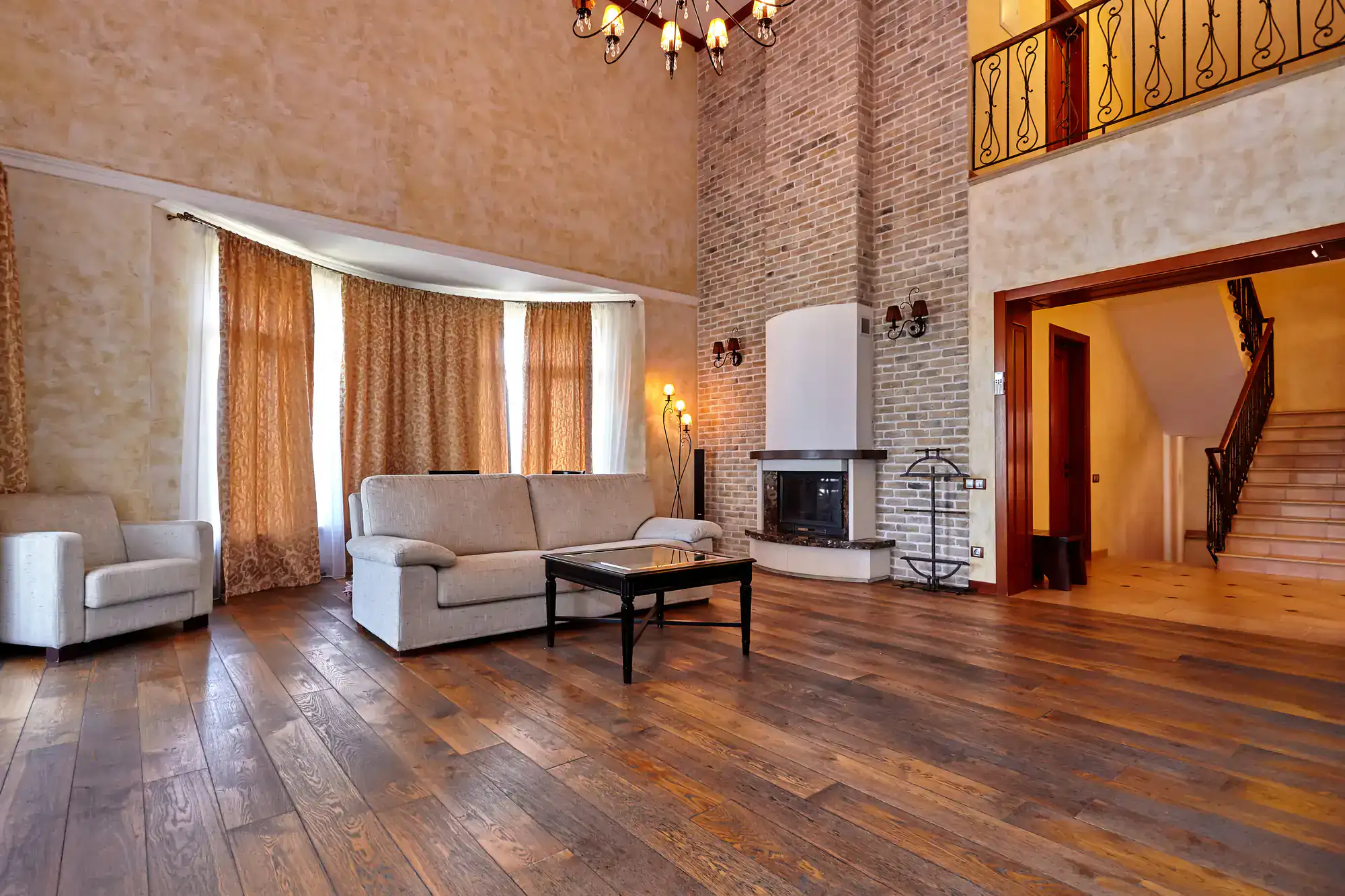
Chevy Chase Village homes span a wide range of floor conditions and floor types. Many have original solid hardwood white oak and red oak are common in homes built through the 1930s that can be sanded and refinished multiple times over its lifespan. Others have had renovations over the decades that introduced engineered hardwood in certain rooms or on upper levels. Whether your floors are original or updated, our approach has to match what’s actually there.
For solid hardwood, we handle the full range: hardwood floor installation for rooms being converted or updated, hardwood floor refinishing for floors that have lost their finish or need a color change, hardwood floor repair for boards that are cracked, cupped, or water-damaged, and hardwood floor sanding when the surface needs to be reset before a new finish goes down. For engineered hardwood flooring, the first step is always assessing the wear layer if it’s thick enough, refinishing is an option; if not, recoating or targeted section replacement may be the right call.
We’re also a full-service contractor, which means if your pre-listing refresh or home renovation involves more than just the floors painting, tiling, cabinet work that can all be coordinated through our team. For homeowners in Chevy Chase Village managing a broader project, that’s a real practical advantage. One point of contact, one accountable owner, one less thing to manage.
In most cases, yes and that’s worth knowing before you assume replacement is the only option. The original hardwood floors in Chevy Chase Village homes are typically solid oak, which can be sanded and refinished multiple times over its lifespan. Even floors that have been refinished before often have enough thickness left for at least one or two more cycles, depending on how aggressively they were sanded in previous rounds.
The honest answer requires an in-person look. A floor that has deep gouges, significant structural damage, or boards that have been thinned down by previous sanding may have limited options. But a floor that simply looks dull, scratched, or discolored even one that’s been through a century of use in a Chevy Chase Village home is often a strong candidate for refinishing. We can walk you through that assessment before any work begins.
A typical hardwood floor refinishing project takes anywhere from three to seven days, depending on the size of the area, the number of coats being applied, and how long each coat needs to cure. In Maryland’s humid summer months and Chevy Chase Village sees outdoor relative humidity above 70% regularly from June through September finish curing can take longer than it would in drier conditions, so the timeline can stretch slightly during that part of the year.
You’ll need to stay off the freshly finished floors while coats are drying, which usually means vacating the refinished rooms. Whether that means staying in another part of the house or making other arrangements depends on the layout of your home and which rooms are being done. We’ll give you a clear timeline before work starts so you can plan accordingly.
Refinishing involves sanding the floor down to bare wood, which removes the old finish completely and allows you to change the stain color, address surface damage, and start fresh with a new finish system. It’s the more involved process, but it’s also the one that can genuinely restore a floor that has visible scratches, worn areas, or a finish that’s peeling or yellowing.
Recoating sometimes called screening is a lighter process. The existing finish is lightly abraded to give the new coat something to bond to, and a fresh layer of finish is applied on top. It doesn’t remove scratches or damage, and it doesn’t allow for a color change. It works well as a maintenance step on floors that are in decent shape but have lost their sheen. For the older homes in Chevy Chase Village, full refinishing is often the more appropriate choice particularly when the floor hasn’t been touched in years and the finish has deteriorated past the point where a topcoat will hold.
Sometimes, yes but it depends on the wear layer. Engineered hardwood is constructed with a real wood veneer on top of a plywood or composite core, and whether that veneer is thick enough to withstand sanding is the key question. Generally, a wear layer of 3mm or more can handle at least one refinishing cycle. Thinner wear layers may not have enough material left to sand without hitting the core layer beneath.
Many Chevy Chase Village homes that have been renovated in recent decades have engineered hardwood in certain rooms often on upper floors or in areas where solid hardwood wasn’t practical. If you’re not sure what type of flooring you have or whether it can be refinished, that’s exactly the kind of question an in-home assessment answers. We evaluate both solid and engineered floors and give you a straight answer about what’s possible before any work is scheduled.
For most sellers in this market, yes and the math makes it easy to justify. Chevy Chase Village homes regularly list and sell between $1.3 million and well over $2 million. At that price point, floor condition is one of the first things a buyer and their agent notice during a showing. Worn, scratched, or dull floors in a home at this price signal deferred maintenance and give buyers a concrete reason to come in below asking or request a credit at closing.
A professional refinishing project depending on the square footage is a fraction of a percent of your home’s value. NAR and NARI data consistently show that hardwood floor refinishing returns roughly 147 cents for every dollar invested at resale. In a market like Chevy Chase Village, where buyer expectations are high and competition among listings is real, going into a sale with floors that look their best is one of the more straightforward pre-listing investments you can make. Real estate agents serving this area know it, and they recommend it regularly.
Maryland’s climate puts a genuine stress cycle on hardwood floors every year. Chevy Chase Village summers are warm and humid outdoor relative humidity regularly climbs above 70% from June through September which causes wood to absorb moisture and expand. Then winter arrives, indoor heating drops the relative humidity significantly, and the wood contracts. For older solid hardwood floors in century-old Chevy Chase Village homes, this annual cycle shows up as seasonal gapping in winter, occasional cupping or raised board edges in summer, and finish wear that compounds over time.
The best windows for refinishing are typically spring and fall, when humidity levels are more moderate and stable. That stability matters for two reasons: it allows the wood to be in a more neutral state when it’s sanded, and it gives each coat of finish better conditions to cure properly. Summer refinishing is doable but requires more careful humidity management between coats a step our professional crews handle with moisture monitoring equipment. Winter is workable for repairs and installation but requires careful acclimation of any new wood to the home’s interior conditions before it goes down. If you’re planning a refinishing project and have flexibility on timing, early spring or early fall is the window to aim for.
Other Services we provide in Chevy Chase Village