“
Most of the 282 homes in Chevy Chase Section Three were built between the 1910s and 1940s. The bathrooms that came with them were designed for a different era small footprints, single tubs nobody uses anymore, plaster walls, and ventilation that was never really adequate. What you’re left with is a space that technically functions but doesn’t match how you live, what you expect, or what your home is worth.
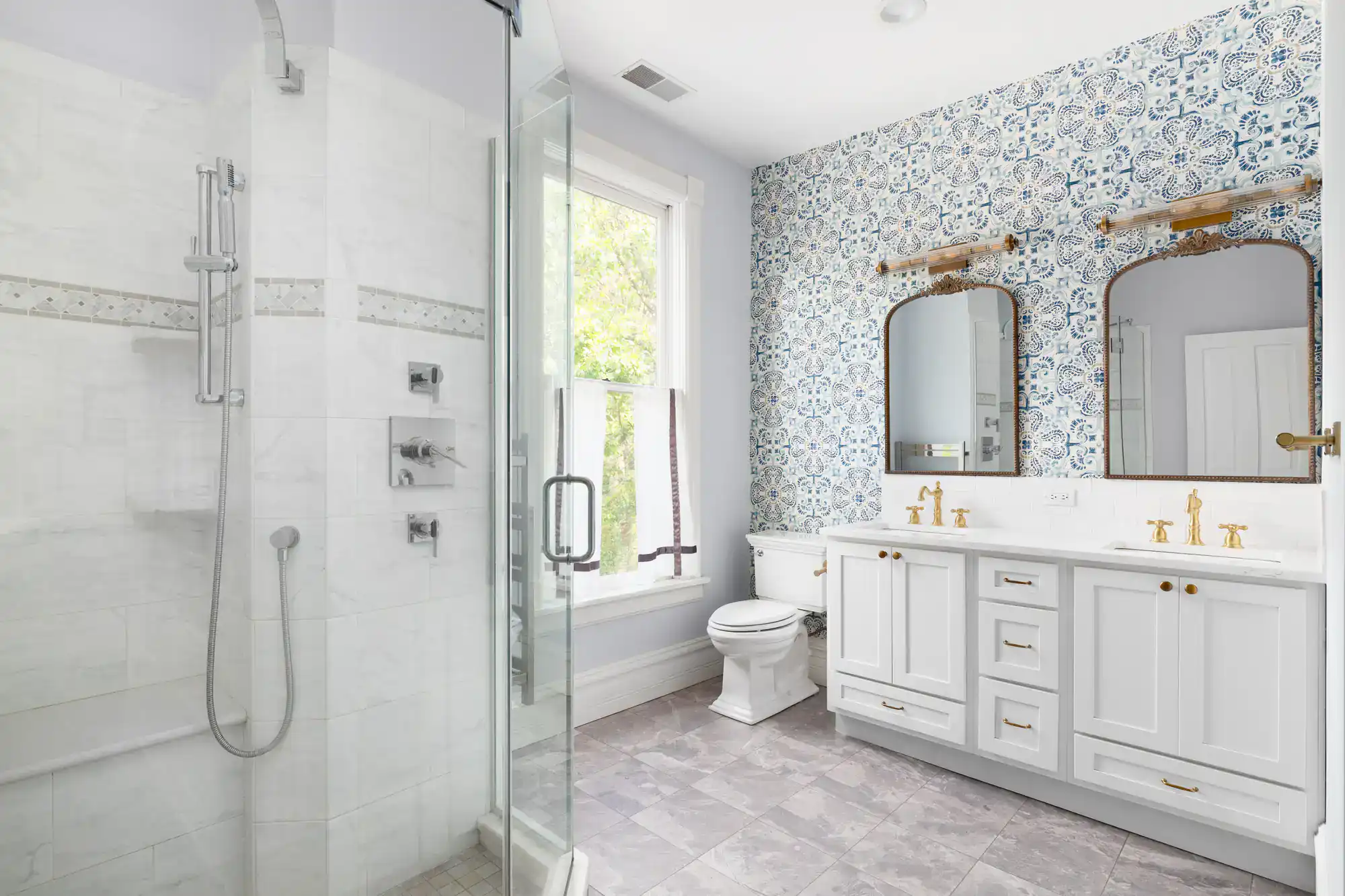
A properly executed bathroom renovation changes that in ways you feel every single day. A walk-in shower where that old tub used to be. A layout that actually fits two people in the morning. Tile and waterproofing that won’t quietly fail behind the walls over the next few years because someone rushed the prep work.
In a village less than a mile from the DC border, where homes regularly trade at $1.2 million and above, the condition of your bathroom matters both to your daily quality of life and to what a buyer will pay when you eventually sell. Getting it done right the first time isn’t just about aesthetics. It’s about protecting a home that represents real financial value.
We’ve been remodeling homes in the Washington, DC metro area since 1973. That’s over 50 years of working in exactly the kind of pre-war colonials, Tudors, and bungalows that line the tree-shaded streets of Chevy Chase Section Three long before most of the contractors you’ll find online today were even in business.
That history matters here specifically. Homes in this village carry a predictable set of challenges: plaster-and-lath walls, galvanized supply lines that have been quietly corroding for decades, original drain configurations that weren’t designed for a modern walk-in shower, and lead paint considerations that come with any home built before 1940. These aren’t surprises to us. They’re part of the job, and we account for them before work begins not after.
We’re based in Bethesda, hold an active Maryland MHIC license (#28145), and are licensed in DC and Virginia as well. For a village that sits at the intersection of all three jurisdictions, that kind of coverage isn’t a coincidence it’s what 50 years of DMV work looks like.
It starts with a conversation a real one, not a quick walkthrough where someone hands you a number and disappears. We look at the space, ask how you use it, and talk through what’s realistic given your bathroom’s current layout, your plumbing configuration, and what you actually want out of the finished room. For homes in Chevy Chase Section Three, that conversation almost always includes a discussion about what’s likely behind the existing tile and walls, because in a home this age, that matters.
Before any work begins, permits get handled. In Section Three, that means more than just a standard Montgomery County DPS application. The village requires homeowners to notify the Section Three Building and Roads Representative, submit preliminary plans, and receive written approval before the county process can even start and any plumbing work that touches supply or sewer connections goes through WSSC Water on top of that. We know this process. We manage it on your behalf so your project doesn’t stall before demolition day.
Once approvals are in place, the work follows a clear sequence: demolition and assessment, any necessary plumbing or structural work, waterproofing, tile installation, fixtures, paint, and final cleanup. You’ll know what’s happening and when. If we open a wall and find something unexpected and in a 100-year-old home, that does happen we tell you immediately, explain what it means, and give you a clear path forward before anything changes.
Ready to get started?
Bathroom remodeling in Chevy Chase Section Three covers the full range from a focused walk-in shower installation or tub-to-shower conversion to a complete gut renovation that reconfigures the layout, replaces the plumbing, and brings the entire room into 2025. We handle tile work, floor installation, wall tile, custom shower builds with benches and built-in shelving, cabinet replacement, and painting. One team, one point of contact, no rotating cast of subcontractors working in a home they’ve never seen before.
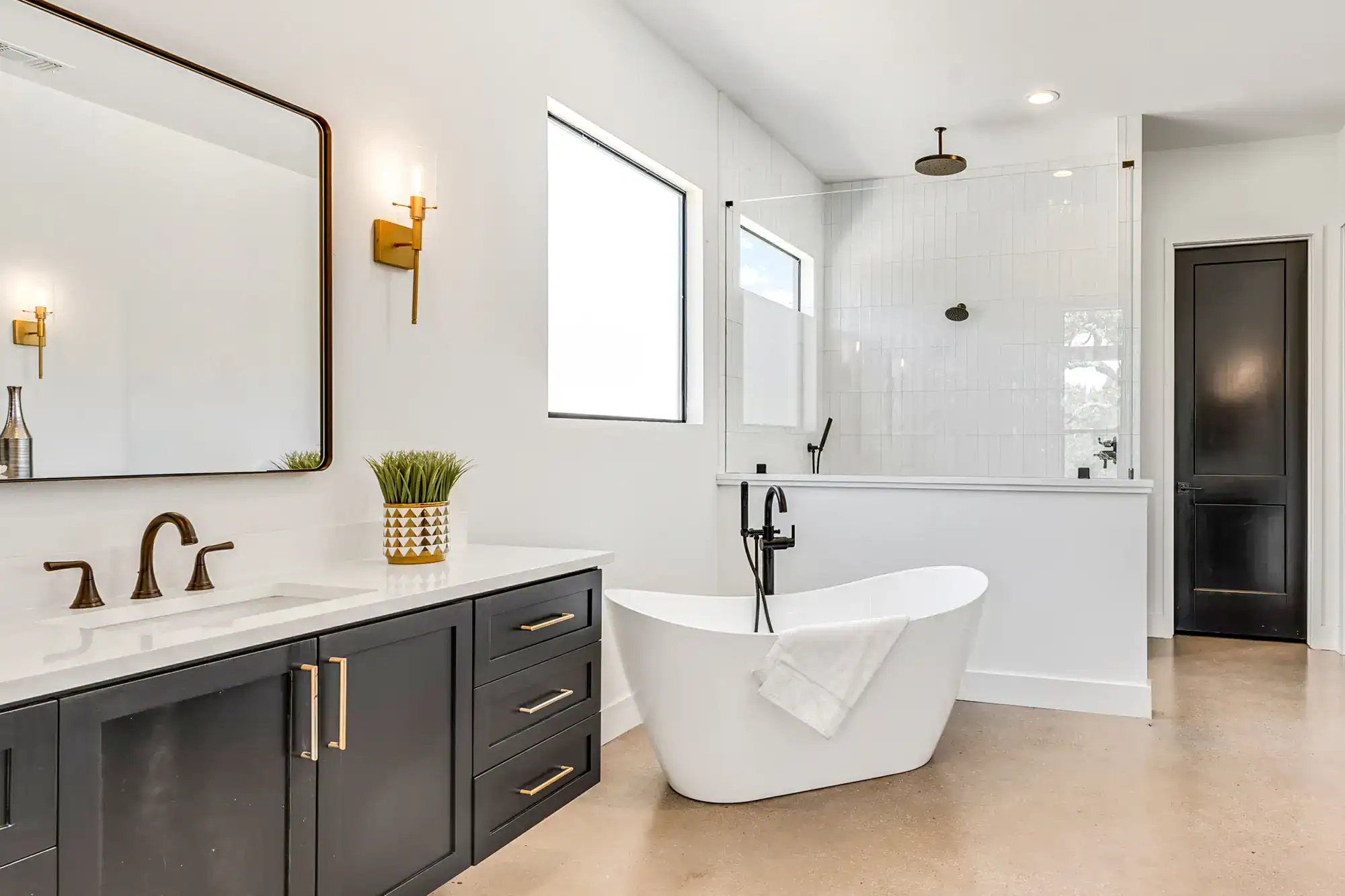
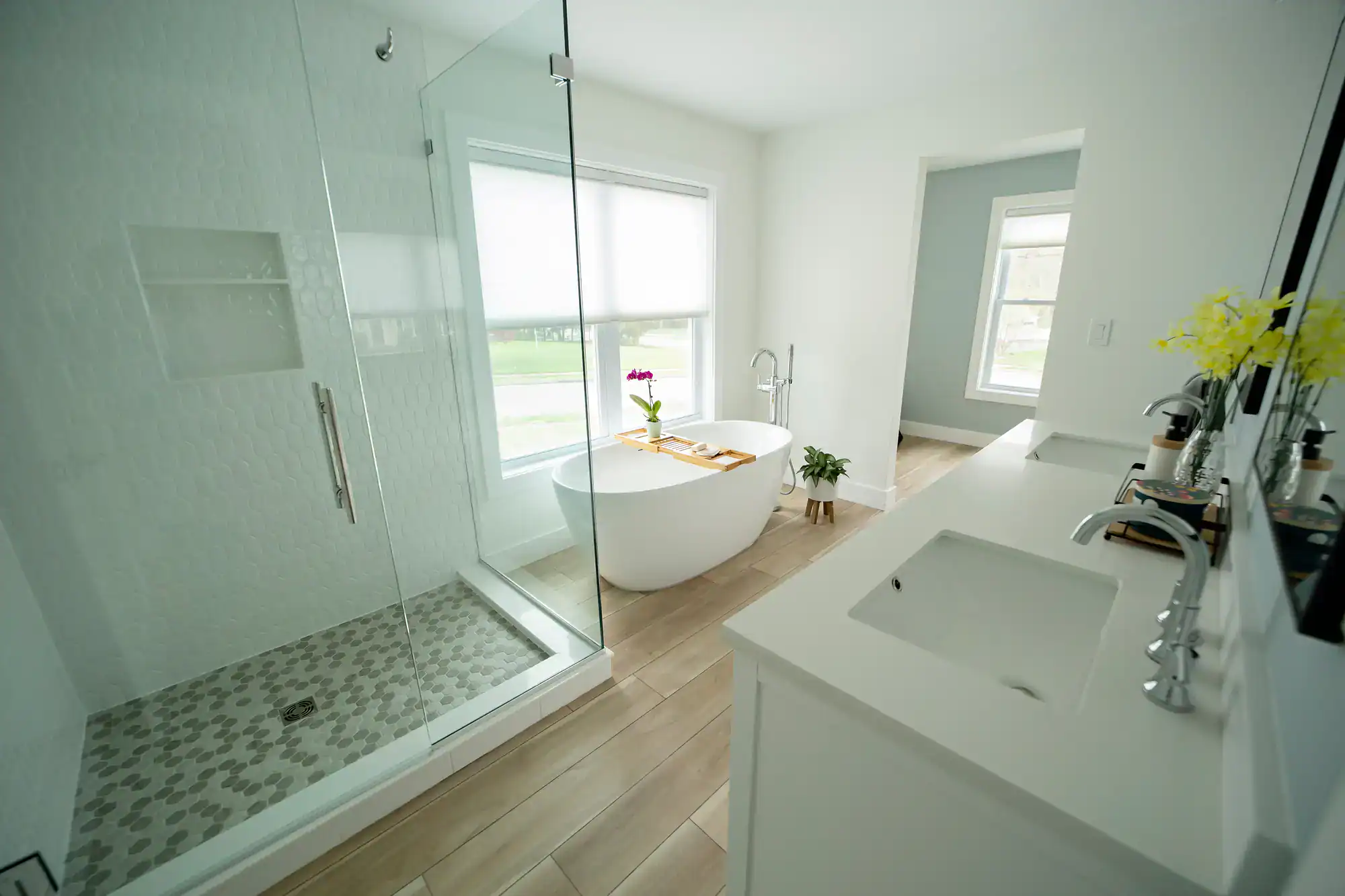
Small bathroom remodeling is something we do particularly well in this area, because the original bathrooms in Section Three’s pre-war homes were not designed for modern living. Converting a cramped tub-and-tile setup into an open, curbless walk-in shower with frameless glass can make a small bathroom feel significantly larger and it’s one of the most requested projects we do in homes like these.
For residents who are planning to stay in their home long-term, we also build accessible bathrooms that make that possible. Curbless shower entries, built-in bench seating, grab bar installation, and non-slip tile aren’t just safety features they’re smart design for a village where more than one in four residents is 65 or older and organizations like Chevy Chase at Home exist specifically to help neighbors age in place. That demand is real here, and the bathrooms we build reflect it.
Yes, and this is one of the most important things to understand before you hire anyone for a bathroom remodel in Chevy Chase Section Three. Unlike most unincorporated parts of Montgomery County, the village has its own Code of Ordinances and requires homeowners to notify the village’s Building and Roads Representative before any construction project requiring a building permit can begin. You submit preliminary plans, and the village provides a written letter of approval or confirmation of no objection before the county process starts.
That means you’re navigating three separate layers for a bathroom remodel that involves plumbing: village pre-approval, a Montgomery County DPS building permit, and WSSC Water approval for any work that touches supply or sewer connections. A contractor who doesn’t know this process will cost you weeks before a single tile comes off the wall. We’ve been operating in the DMV for over 50 years and hold an active Maryland MHIC license we manage the permit process as part of the job, not as an afterthought.
The honest answer is that it depends heavily on scope, and in a pre-war home like the ones throughout Chevy Chase Section Three, scope can shift once demolition reveals what’s actually behind the existing tile and walls. Local contractors working in this area quote bathroom remodels in a range of roughly $15,000 to $35,000 for a standard renovation, with the national median for a primary bathroom remodel sitting at $15,000 in 2025.
What drives cost up in Chevy Chase Section Three specifically is the age of the housing stock. Galvanized supply lines that need replacement, plaster walls that require more careful handling than modern drywall, and drain configurations that weren’t designed for contemporary shower layouts all add to the scope. The good news is that in a market where homes regularly sell above $1.2 million, a well-executed bathroom renovation recoups a meaningful portion of that investment a midrange bathroom remodel recouped approximately 80% of its cost at resale in 2025, which is the highest that figure has been since 2007. We provide detailed written estimates before any work begins so you know exactly what you’re committing to.
Pre-war homes in Chevy Chase Section Three most of which were built between the 1910s and 1940s come with a specific set of conditions that affect how a bathroom remodel gets planned and executed. Plaster-and-lath wall construction is more complex to work with than modern drywall, and it’s more likely to reveal moisture damage or structural issues once demolition begins. Galvanized steel supply lines are common in homes of this age and often need to be replaced as part of a bathroom renovation because they corrode from the inside out and restrict water flow over time.
Lead paint is also a real consideration. The EPA estimates that 87% of homes built before 1940 contain some lead-based paint, which means any surface disturbance during demolition requires lead-safe work practices. This isn’t optional it’s a legal requirement and a health protection for your family. A competent contractor working in Chevy Chase Section Three should know this and build it into their process from the start. We do. Homes in this area often lack adequate exhaust ventilation, which is one of the leading causes of mold growth in remodeled bathrooms so proper ventilation installation is typically part of what we recommend alongside any tile or shower work.
For a standard bathroom renovation converting a tub to a walk-in shower, replacing tile, updating fixtures and vanity the active construction phase typically runs two to three weeks. Factor in the permitting process, and you’re looking at a total project timeline of roughly four to six weeks from the time permits are submitted to the day the bathroom is finished and usable.
In Chevy Chase Section Three, the timeline has an added variable: the village pre-approval step. Before Montgomery County DPS will process a building permit, the village requires its own notification and written approval. That process adds time to the front end of the project, and it’s one reason why starting the planning and permitting process earlier than you think you need to is genuinely good advice here especially if you’re targeting a spring or summer completion. We handle the permit submissions as part of our process, and we give you a realistic timeline upfront so there are no surprises once work begins.
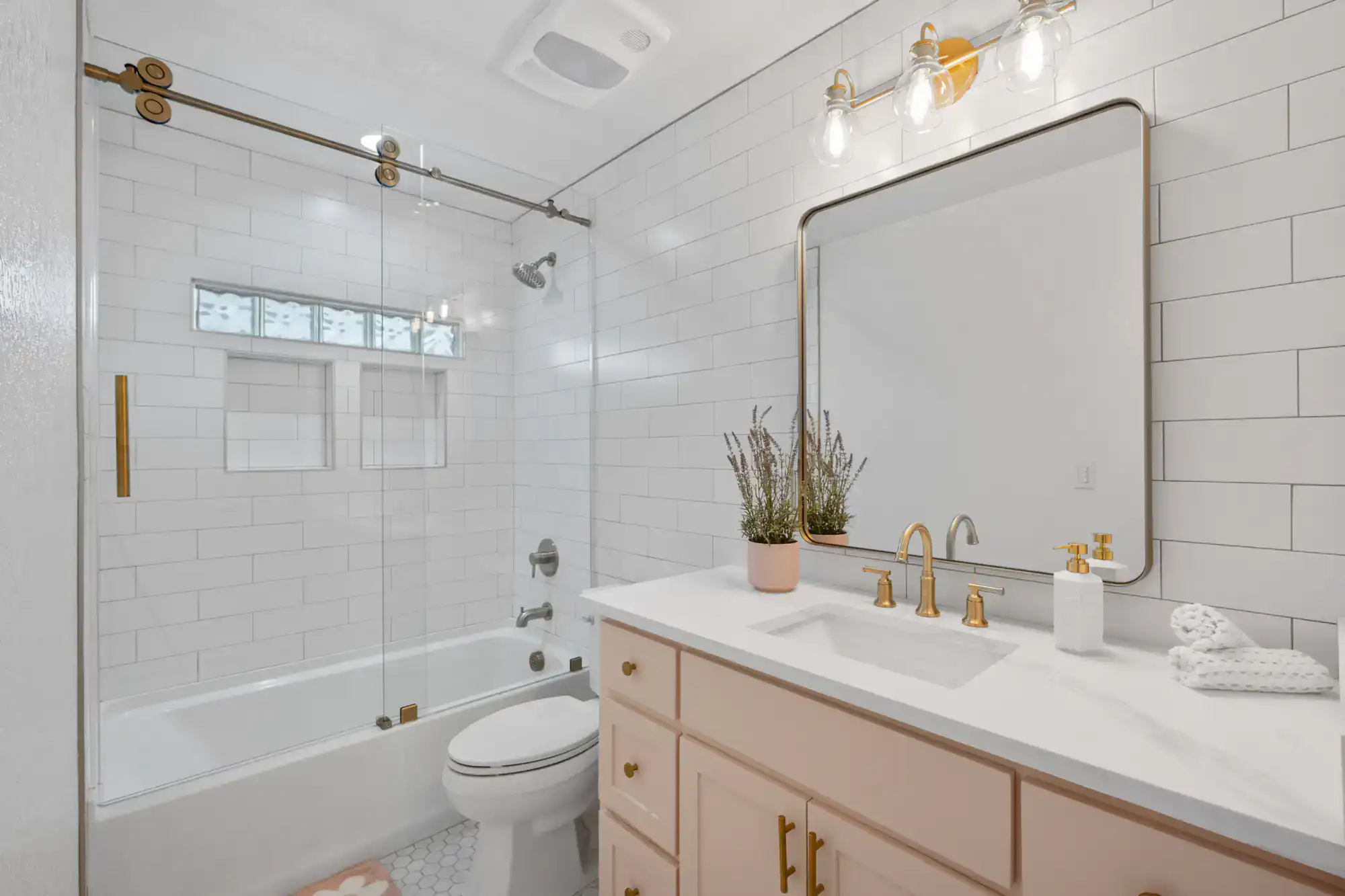
It’s actually one of the best fits, and it’s one of the most common projects we do in homes throughout this area. The original bathrooms in Section Three’s pre-war colonials and Tudors were designed around the standards of the 1910s through 1940s which means small footprints, a single tub as the primary fixture, and very little storage. Most of those tubs don’t get used. What residents want instead is a functional, well-designed shower that makes the space feel larger and work better on a daily basis.
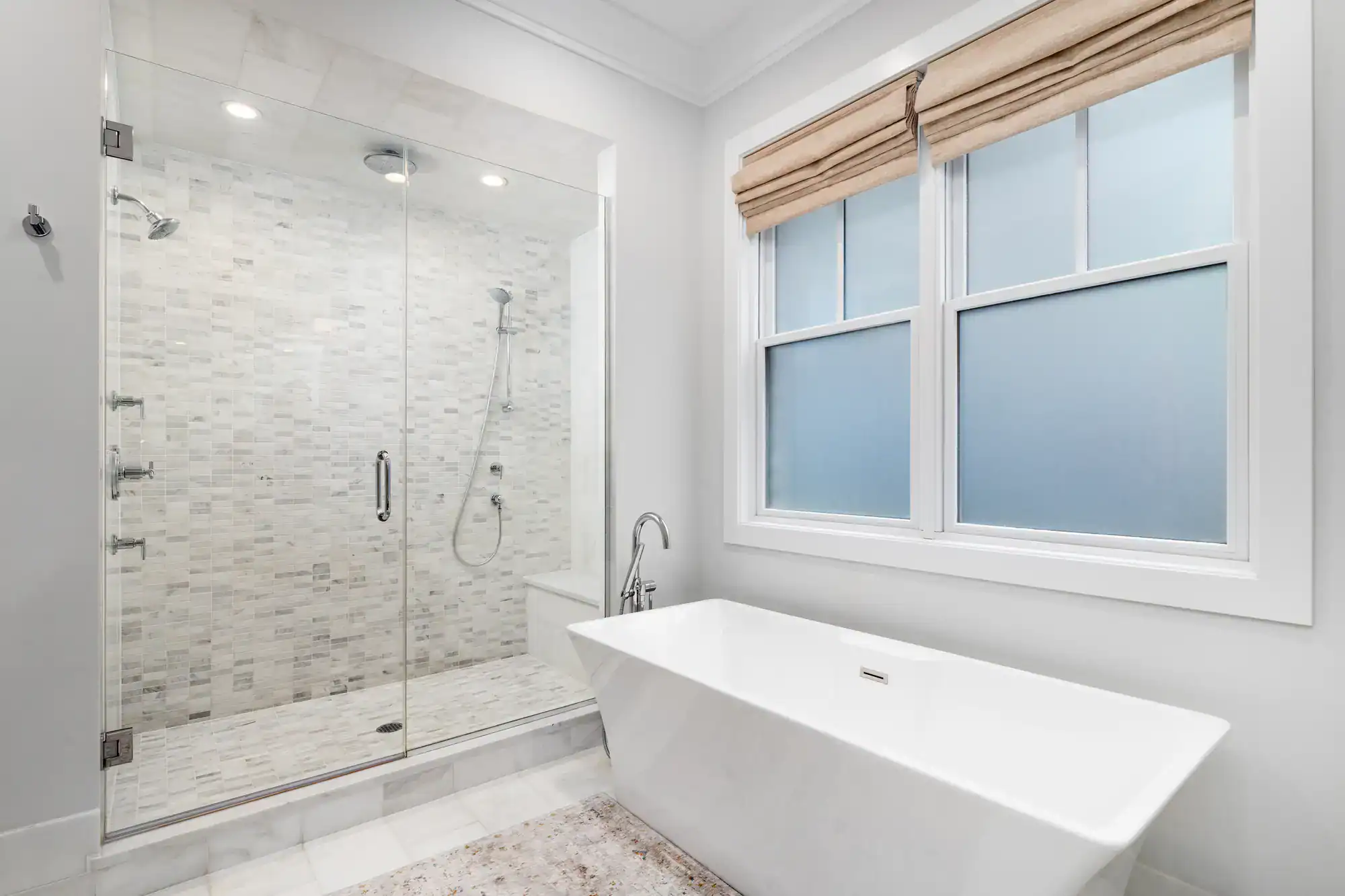
A curbless walk-in shower with frameless glass is particularly effective in a compact bathroom because it removes the visual barrier that a tub or shower enclosure creates. The room reads as more open. You also gain practical floor space by eliminating the tub deck. Add a built-in bench, integrated shelving, and a properly sized exhaust fan, and you’ve turned a bathroom that felt like a liability into one of the better rooms in the house. More than 60% of homebuyers prefer a shower over a tub in the primary bathroom, so the conversion also makes sense from a resale perspective in a competitive market like Chevy Chase Section Three.
For any home improvement work in Maryland, the contractor must hold an active Maryland Home Improvement Commission license commonly called an MHIC license. This is a state requirement, and it’s verifiable. You can look up any contractor’s MHIC number on the Maryland DLLR website to confirm their license is current and in good standing. We hold MHIC #28145, which has been active for decades.
Beyond the MHIC license, it’s worth confirming that the contractor carries general liability insurance and workers’ compensation coverage. This protects you from liability if someone is injured on your property during the project or if the work causes damage to your home. In a village of 282 homes where neighbors are close and word travels fast, the contractor you bring into your house reflects on your judgment and an uninsured crew is a real financial risk, not just a technicality. Because Chevy Chase Section Three sits less than a mile from the DC border, you may also want to confirm that your contractor holds DC and Virginia licenses if there’s any jurisdictional complexity involved. We hold active licenses in all three DMV jurisdictions simultaneously, which is uncommon and reflects the breadth of experience that comes with 50-plus years in this specific market.
Other Services we provide in Chevy Chase Section Three