
“
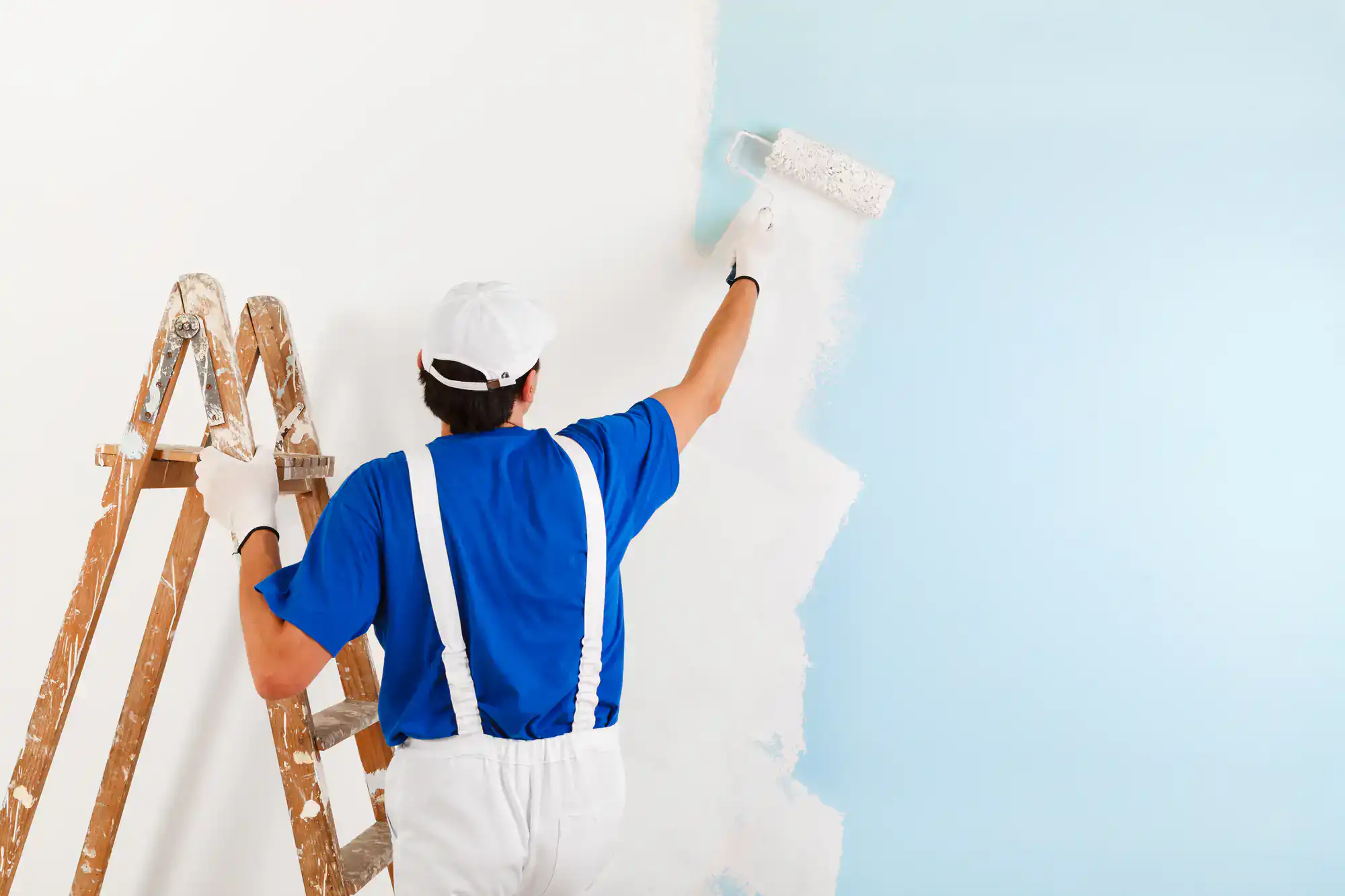
When exterior painting is done correctly on a Chevy Chase Section Three home, you’re not just updating the look you’re adding a layer of real moisture protection to wood siding and trim that’s been absorbing Maryland’s humidity for nearly a century. That matters more here than it does in newer neighborhoods.
A well-prepped, properly applied exterior paint job on a home like yours can last seven to ten years. A rushed one, on surfaces that weren’t cleaned, scraped, and primed, can start showing mold and peeling within two or three.
Inside, a quality interior painting job changes how the whole house feels and if you’re thinking about selling, that matters financially too. Interior painting delivers an average return on investment of 107%, and in a market like Chevy Chase Section Three, where buyers come in with high expectations and sharp eyes, presentation at the asking price is everything.
The mature tree canopy along these streets is one of the things that makes Section Three what it is. But that same canopy keeps your siding shaded and damp longer after rain, which accelerates mold and mildew on painted surfaces faster than most homeowners realize. The right prep work and the right primer accounts for that. The wrong contractor won’t even think to ask about it.
We founded Optima Design Group in 1973 and have been serving Chevy Chase Section Three, Bethesda, and the surrounding area ever since. That’s not a marketing number it means we’ve painted homes along Connecticut Avenue and Brookville Road through multiple repainting cycles, multiple market shifts, and decades of D.C.-area weather. The kind of institutional knowledge that comes from that doesn’t exist in a franchise operation or a company that launched five years ago.
We’re fully licensed in Maryland (MHIC #28145), the District of Columbia (#39937921), and Virginia (#2705077763) with verifiable license numbers, not just a checkbox claim. We’ve earned 300-plus recommendations on Washington D.C. Consumers’ Checkbook, which is a paid-subscription nonprofit platform that the exact type of informed, research-driven homeowner who lives in Chevy Chase Section Three tends to trust. That track record wasn’t built on one good season. It was built on thousands of completed jobs and customers who came back four and five times over more than a decade.
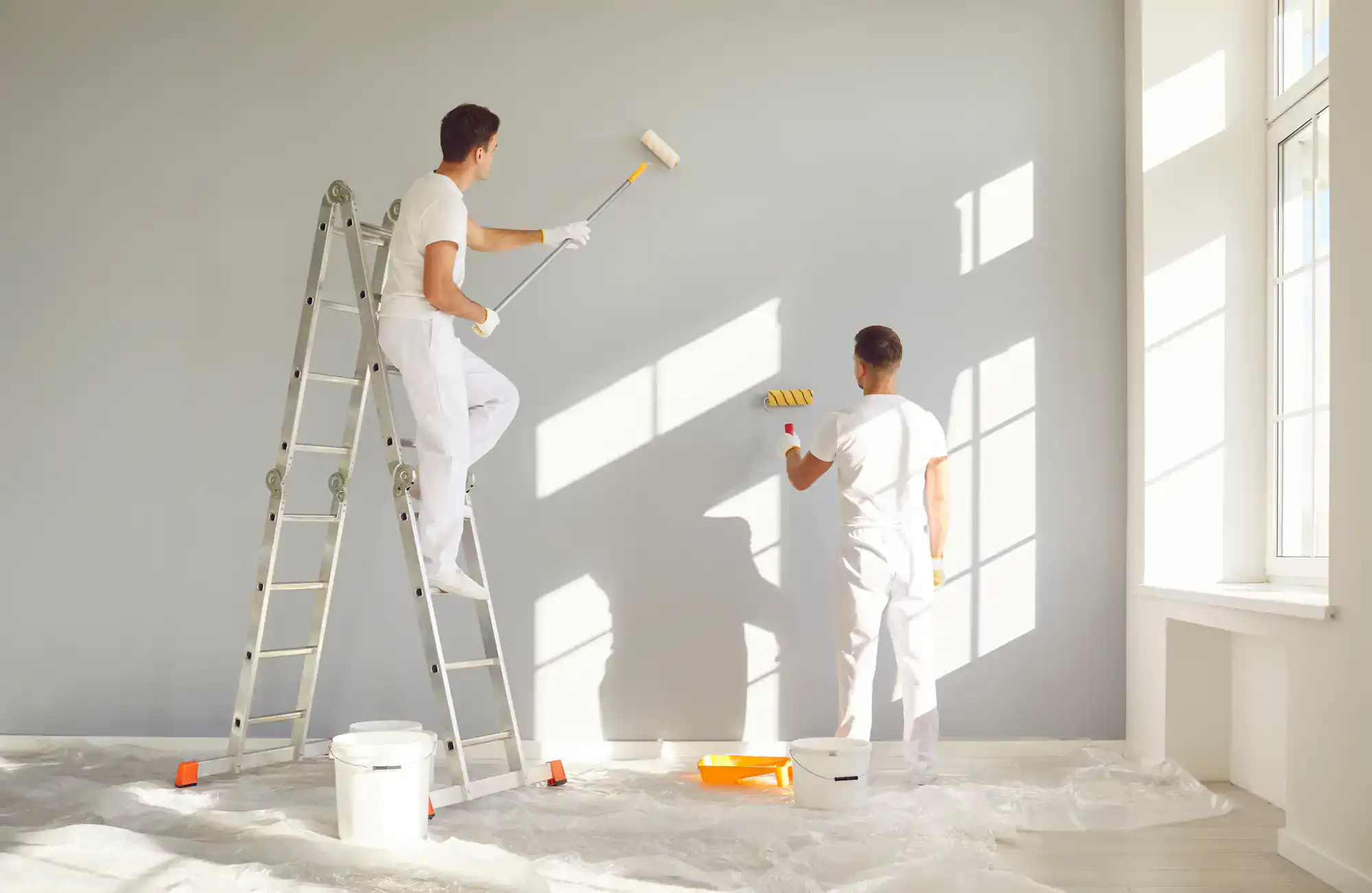
The first step is a thorough walkthrough of your home inside, outside, or both, depending on the scope. For exterior work on a Chevy Chase Section Three home, that means paying close attention to the condition of the wood siding, trim, cornices, and any architectural millwork. These homes have layers of history on them, and what’s underneath the surface matters as much as what you’re putting on top.
Before any paint is applied, surfaces are cleaned, scraped where needed, sanded, caulked at joints and seams, and primed on bare or compromised areas. If your home was built before 1978 which describes the majority of homes in Section Three lead paint is a real consideration. We offer lead paint removal as a named service and handle it with the proper protocols required under Maryland law and the EPA’s Renovation, Repair and Painting Rule. That’s not something every contractor in this area is equipped to do.
Once the prep is complete and surfaces are verified dry which in a shaded, tree-canopied yard along Brookville Road can take longer than most people expect finish coats go on with the correct number of applications for the surface condition. The job isn’t done when the paint is dry. It’s done when everything is cleaned up, covered surfaces are uncovered, and you’ve had a chance to walk through the finished work.
Ready to get started?
We handle interior painting, exterior painting, cabinet painting and refinishing, deck staining, ceiling painting, door painting, decorative and faux painting, lead paint removal, popcorn ceiling removal, and drywall repair as part of the prep process. For a Chevy Chase Section Three homeowner, that range matters because these homes rarely need just one thing done.
Cabinet painting is worth calling out specifically. Many of Section Three’s homes have original kitchen layouts with cabinetry that shows its age. A professional cabinet painting job costs a fraction of what full replacement runs, and when it’s done with proper degreasing, sanding, priming, and spray application, the finish holds for years. It’s not the same as brushing a coat of paint over old cabinets and hoping for the best the prep work is what makes the difference between a finish that lasts and one that chips within a year.
Beyond painting, we also handle kitchen and bath remodeling, hardwood flooring, tiling, and carpentry. If you’re refreshing a historic colonial in Chevy Chase Section Three and the scope grows beyond paint, you’re not stuck coordinating separate contractors. One company handles the full project which, for a busy household in this village, is a real advantage.
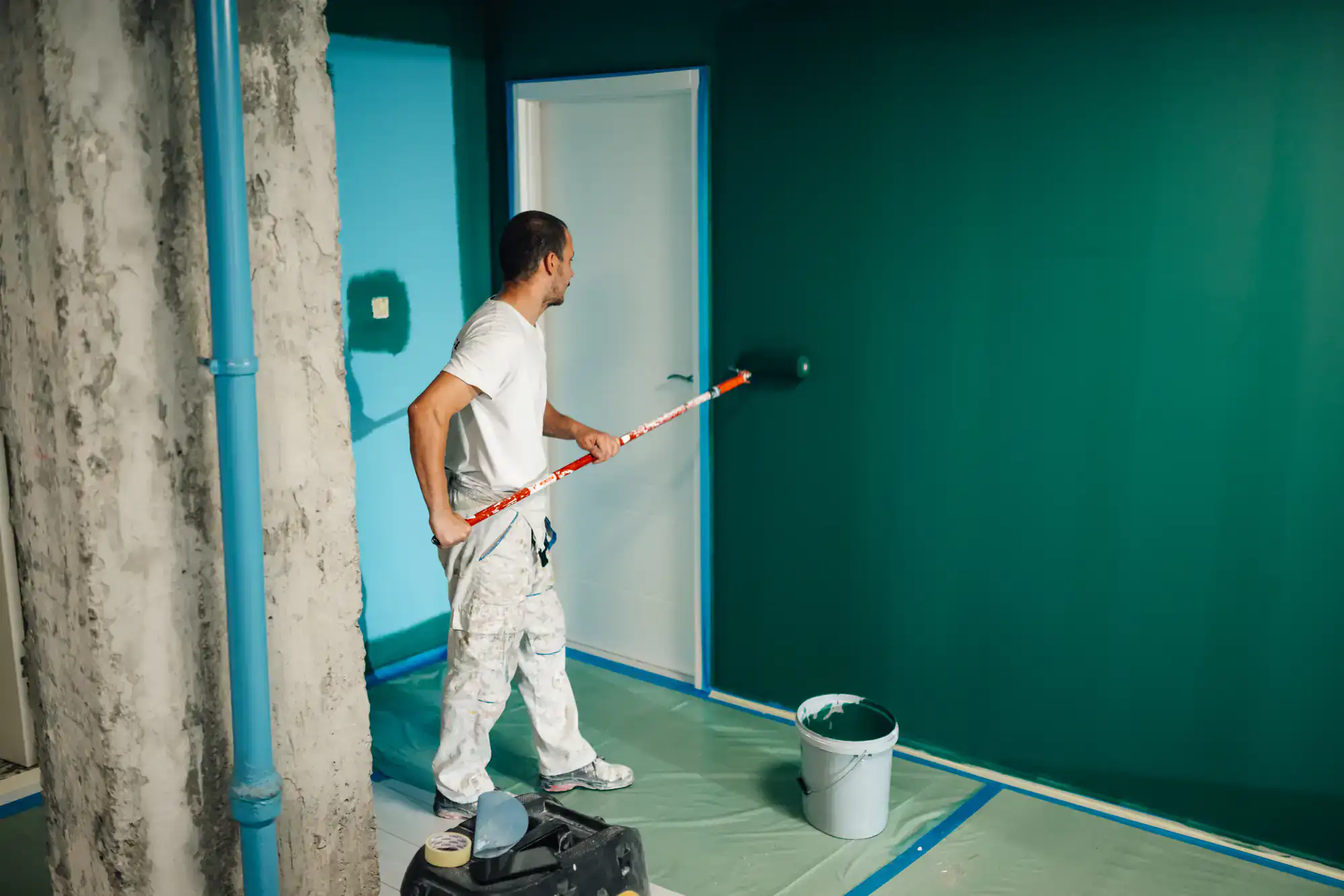
If your home was built before 1978, lead paint is a realistic possibility and in Chevy Chase Section Three, where the vast majority of homes were built in the 1920s through the 1940s, that applies to almost every property in the village. Lead paint that’s in good condition and left undisturbed generally isn’t an immediate hazard. The concern comes when it’s being sanded, scraped, or disturbed during a painting or renovation project.
Under Maryland law and the EPA’s Renovation, Repair and Painting Rule, contractors who disturb lead paint in pre-1978 homes are required to follow specific lead-safe work practices. In Maryland, work that disturbs six or more square feet of lead paint in a pre-1950 residential property triggers additional state-level requirements. We offer lead paint removal as an explicit service and are equipped to handle this correctly which is not something you should assume about every painter who shows up with a quote.
The general benchmark for a quality exterior paint job is seven to ten years in moderate climates. In Chevy Chase Section Three, you may be on a shorter cycle than that particularly on north-facing walls or any elevation that stays heavily shaded by the mature tree canopy that defines these streets. Shaded siding stays damp longer after rain, and Maryland’s mid-Atlantic humidity regularly creates conditions where mold and mildew can establish on painted surfaces faster than they would in a sunnier, drier environment.
If you’re seeing chalking, fading, peeling, or any soft or bubbled areas on your siding, those are signs the paint has lost its ability to protect the surface underneath. On wood siding which is common on the colonials and Tudors throughout Section Three that’s not just a cosmetic issue. Moisture getting behind failing paint accelerates rot in wood that may already be nearly a century old. A timely repaint is significantly less expensive than the structural repairs that follow deferred maintenance.
Prep work is the part of the job that determines how long the paint lasts. It’s not glamorous, but skipping or rushing it is the single most common reason paint jobs fail early. For exterior work, proper prep means pressure washing the surface to remove dirt, mold, and chalk; scraping any areas where old paint is peeling or lifting; sanding rough edges smooth; caulking gaps at joints, seams, and trim connections; and priming bare or compromised wood before any finish coat goes on.
On older homes like the ones throughout Chevy Chase Section Three prep is more involved than on newer construction. There are more layers of old paint, more weathered wood, more detailed millwork with gaps that need caulking, and more surface irregularities to address before you can get a clean, lasting finish. A contractor who glosses over the prep and gets straight to the color coat is setting you up for a paint job that looks fine for a year and starts failing in two. The prep is what you’re really paying for.
For most homeowners, professional cabinet painting is the smarter move especially in a home with original cabinetry that has good bones but looks dated. Cabinet replacement runs anywhere from $3,200 to $20,000 or more depending on scope, and a full kitchen renovation can reach $30,000 to $60,000 or beyond. Professional cabinet painting is a fraction of that cost and, when done with proper prep and the right finish materials, can last seven to fifteen years.
The key word is professional. Cabinet painting done correctly involves degreasing the surfaces thoroughly, sanding them down, applying the right primer for the cabinet material, and using spray application for a smooth, factory-like finish. That’s very different from brushing a coat of paint over existing cabinets without prep. Many of Chevy Chase Section Three’s homes have kitchens with original proportions and compartmentalized layouts that have real character cabinet painting updates the look without disrupting what makes the space work.
In Maryland, any contractor performing home improvement work is legally required to hold a Maryland Home Improvement Commission license commonly referred to as an MHIC license. This is not optional, and it’s not just a formality. Working with an unlicensed contractor means you have limited legal recourse if something goes wrong, and you may be absorbing liability for on-site injuries or property damage that a properly insured, licensed contractor would cover.
You can verify an MHIC license directly through the Maryland Department of Labor’s online lookup tool it’s a public database. We hold MHIC license #28145, which you can look up independently. We’re also licensed in D.C. (#39937921) and Virginia (#2705077763), which matters for homeowners in Chevy Chase Section Three who may own or have worked on properties on both sides of the Maryland–D.C. line. When a contractor gives you actual license numbers instead of a vague assurance, that’s the difference between accountability and a claim you can’t verify.
Timeline depends on the scope, the condition of the surfaces, and for exterior work the weather. A standard interior painting project for a single-story home might take two to four days. A larger colonial in Chevy Chase Section Three with multiple floors, detailed trim work, and rooms that need prep and repair could run a week or more. Exterior projects on homes with complex architectural details, multiple elevations, and surfaces that need significant prep work before paint goes on can take several days to a week as well.
One thing that genuinely affects exterior painting timelines in Chevy Chase Section Three specifically is the tree canopy. Shaded siding and surfaces that stay damp longer after rain require proper drying time before paint can be applied and that’s not something a good contractor will rush. Applying paint to a surface that hasn’t fully dried is one of the fastest ways to end up with adhesion problems. When you get a timeline estimate, it should account for prep, drying, application, and a final walkthrough not just the painting itself.
Other Services we provide in Chevy Chase Section Three