“
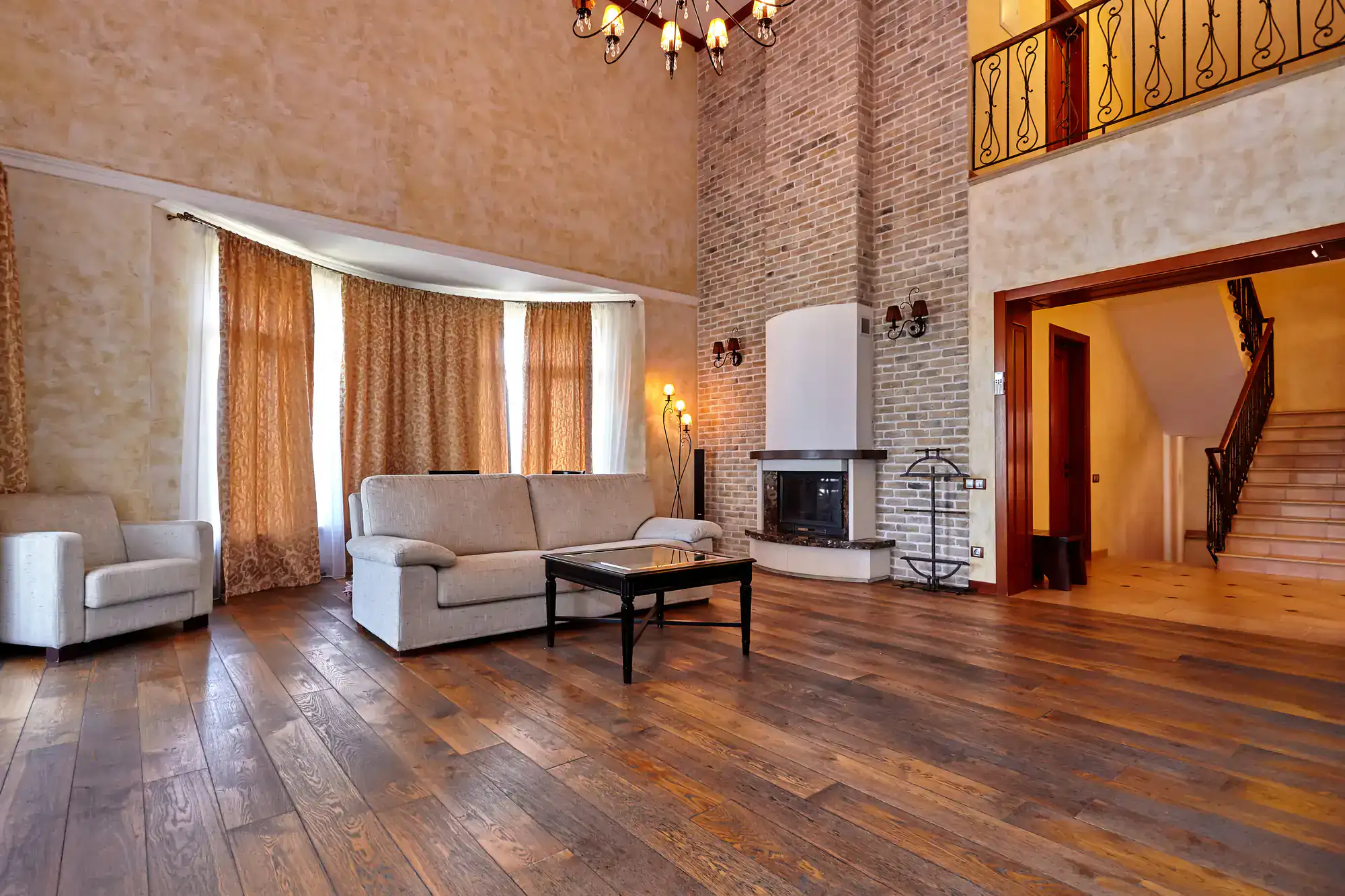
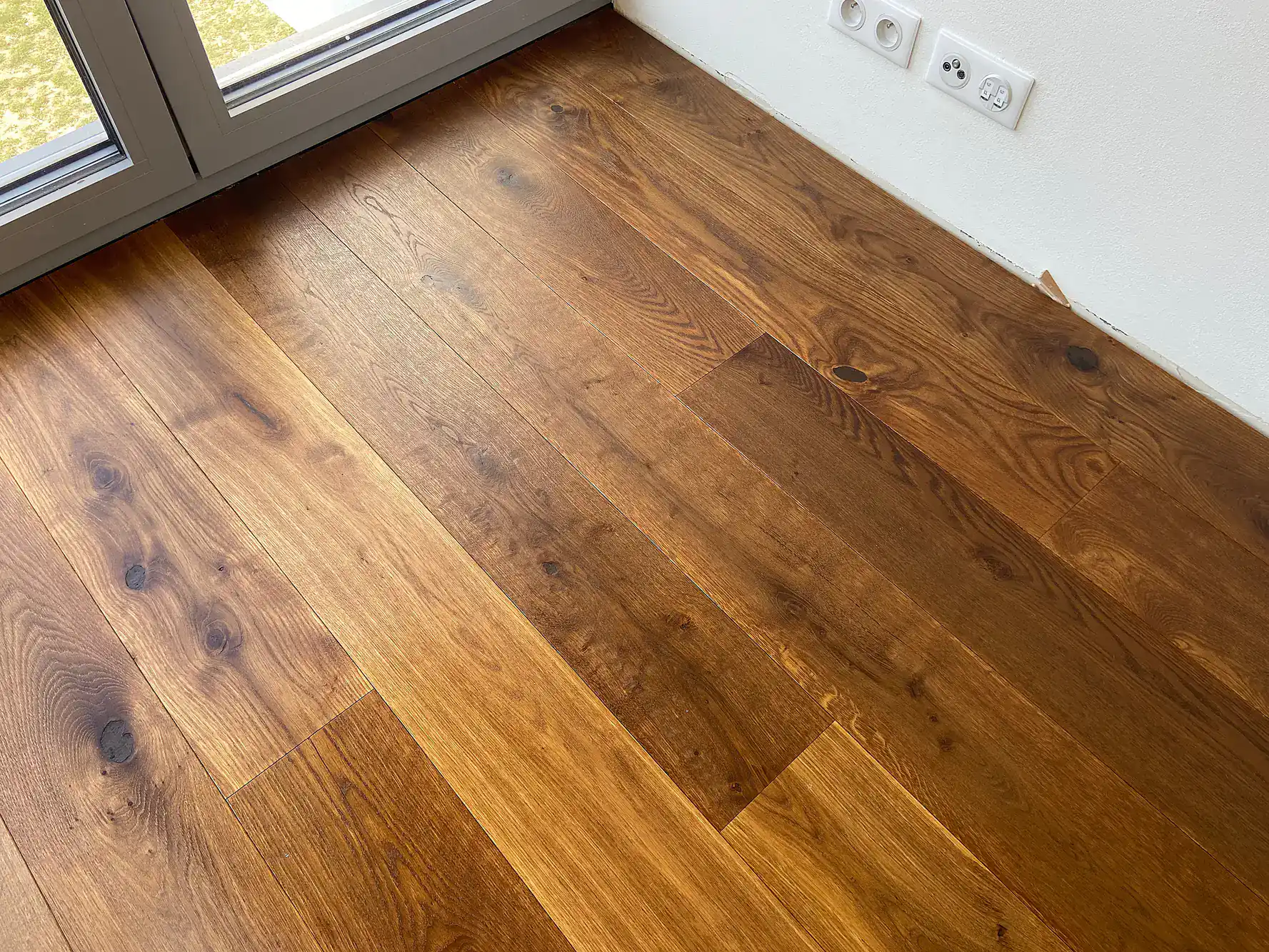
When a floor that’s been in place for 80 or 90 years gets refinished properly, you don’t just see the difference you feel it. The dullness is gone. The scratches and worn patches that you stopped noticing years ago are no longer there. The wood looks the way it was always supposed to look, and the finish is smooth and even from wall to wall.
For homeowners in Chevy Chase Section Three, that outcome matters more than it might in a newer neighborhood. These aren’t generic tract homes they’re classic colonials, Tudors, and thoughtfully built residences that were designed with hardwood as a central feature. When the floors are right, the whole home feels right. When they’re not, it’s the first thing guests notice and the first thing buyers discount.
The DC metro’s humidity cycle is hard on solid hardwood. Summers push moisture into the wood; dry winters pull it back out. Over decades, that cycle leaves gaps, cupping, and finish that checks and loses its sheen. A professional refinishing job addresses all of that not just the surface appearance, but the underlying condition so the floor holds up through the next round of seasons, not just the next few months.
We’re based in Bethesda about two miles from Chevy Chase Section Three and have been working in DC-area homes for over 50 years. We’ve been refinishing and installing hardwood floors in homes like yours, in communities like Chevy Chase Section Three, since before most of today’s residents moved in.
Gordon Franks, our founder and owner, personally supervises crews and stays in direct contact with clients from the first call through the final walkthrough. In a village of 282 homes where neighbors compare notes and contractor quality is visible, that kind of accountability isn’t just a nice detail it’s the standard this community expects.
We hold an active Maryland MHIC license (#28145), along with DC and Virginia licenses, and carry full insurance. We’ve earned 300+ recommendations on DC Consumers’ Checkbook the paid, curated review platform that homeowners in this area actually trust and a 4.8 out of 5 rating on Houzz. Those numbers didn’t come from a marketing campaign. They came from jobs done well, one home at a time.
It starts with a real assessment. Before any sanding begins, we inspect the floor board by board if needed. In Chevy Chase Section Three’s pre-1940 homes, that inspection often turns up things that matter: boards that have cupped from humidity cycles, sections that were repaired at some point with wood that doesn’t quite match, or areas near windows and exterior walls where moisture has done quiet damage over the years. Knowing what we’re working with before the first pass of the sander is what separates a good outcome from a costly mistake.
From there, any necessary repairs happen first. Damaged or warped boards get addressed before the sanding starts, not after. Then comes the sanding itself multiple grits, working from coarse to fine, to bring the surface back to bare wood evenly across the entire floor.
If you’re changing the stain color, water popping opens the grain to help the new stain absorb uniformly. If you’re keeping the natural tone, the wood gets sealed and finished with multiple coats, with humidity monitored between each one.
That last part humidity monitoring is worth mentioning specifically because of where you live. The DC metro’s seasonal swings in relative humidity affect how finish cures and how long it needs between coats. Rushing that process produces a finish that looks fine on day one and starts peeling within a year. Doing it right means the finish is stable, durable, and built to handle the next decade of Maryland summers and winters.
Ready to get started?
We handle the full range of hardwood flooring work refinishing, installation, repair, sanding, and engineered hardwood flooring so whatever condition your floor is in, there’s a clear path forward without calling three different contractors.
For most homes in Chevy Chase Section Three, hardwood floor refinishing is the right answer. The original floors in these homes were built with old-growth solid hardwood that was meant to last a century, and most of it still can. Solid hardwood can typically be refinished four to five times over its lifespan, and many Chevy Chase Section Three floors have only been done once or twice. Refinishing costs a fraction of full replacement and returns approximately 147% ROI at resale which matters in a market where median property values in the broader Chevy Chase area have reached $1.25 million.
That said, not every floor is a refinishing candidate on its own. Some homes have sections where boards need to be replaced before the whole floor can be refinished uniformly. Others have had engineered hardwood installed in additions or updated rooms, and whether that can be refinished depends on the wear layer thickness something that requires an actual assessment, not a guess.
We also handle painting, tiling, and remodeling which means you’re coordinating one contractor, not four. For a busy household in a community where Connecticut Avenue is the daily commute route to DC, that’s not a small thing.
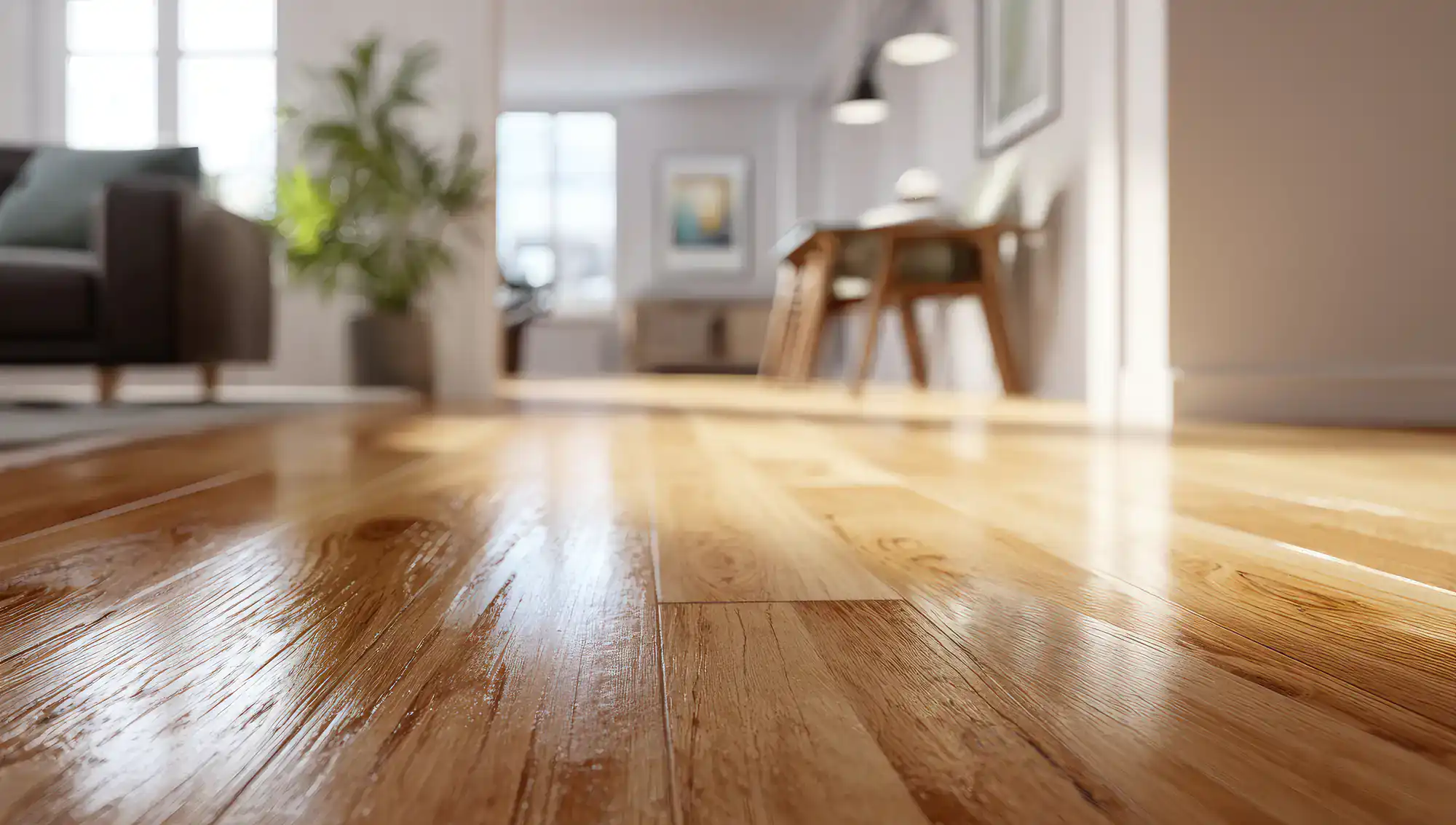
In most cases, yes and it’s usually the right call. The homes in Chevy Chase Section Three were built predominantly before 1940, and the hardwood floors in those homes are typically solid old-growth oak or, in some cases, heart pine. Solid hardwood can be refinished multiple times over its lifespan, and many of these floors have only been done once or twice since they were originally laid.
The key question isn’t age it’s thickness. Every time a floor is sanded, a small amount of wood is removed. We can tell you how much material is left above the tongue-and-groove joint and whether there’s enough to sand again. In most Chevy Chase Section Three homes, there is. If there are damaged boards that need to be replaced first, that work happens before the refinishing so the finished floor looks uniform throughout.
The general rule is straightforward: if the floors are structurally sound and the damage is primarily cosmetic scratches, dullness, minor staining, worn finish refinishing is almost always the better choice. It’s significantly less expensive than replacement, faster to complete, and doesn’t require tearing out floors that were built to last.
Replacement makes more sense when a large percentage of boards are structurally compromised severely warped, cracked through, or water-damaged beyond repair. If more than roughly a third of the floor needs new boards, the math on refinishing starts to shift. But for the typical Chevy Chase Section Three home where the floors are tired and worn rather than genuinely damaged, refinishing is the financially smarter move and the one that preserves the original character of the home. Replacing original hardwood with something synthetic in a pre-war colonial is also a harder sell to buyers who are specifically looking for homes with period-appropriate details.
A typical refinishing project takes three to five days from start to finish, though larger homes or floors with significant repair work needed upfront can run longer. The room or rooms being refinished need to be cleared of furniture before work begins, and you’ll need to stay off the floor while finish coats are drying and curing.
Most homeowners in Chevy Chase Section Three find it easiest to time the project around a planned absence a long weekend, a trip, or a period when the household schedule has some flexibility. The finish curing process is also affected by humidity, which is worth thinking about seasonally. Spring and fall are the optimal times for refinishing work in the DC metro area moderate humidity levels mean finish coats cure more predictably and the wood is less likely to be in an extreme expansion or contraction state. Summer refinishing is doable but requires closer humidity management between coats.
Engineered hardwood can sometimes be refinished, but it depends on the thickness of the wear layer the top layer of real wood above the plywood core. If the wear layer is approximately 3mm or more, there’s usually enough material to sand and refinish at least once. Thinner wear layers don’t leave enough wood to work with safely, and sanding through to the core would ruin the floor.
Many homes in Chevy Chase Section Three have had engineered hardwood installed in additions, finished lower levels, or rooms that were updated at some point over the decades even if the original main-floor rooms still have solid hardwood. The honest answer is that you need an actual assessment to know what you’re working with. If refinishing isn’t an option, recoating applying a fresh topcoat without sanding can restore the appearance and protect the surface. And if sections are beyond either option, targeted replacement of those areas is often more practical than replacing the entire floor.
Yes, you can change the color of your existing hardwood floors during refinishing it’s one of the most common reasons homeowners choose to refinish rather than just recoat. The floor gets sanded back to bare wood, which gives you a clean slate to work with regardless of what color or finish was there before.
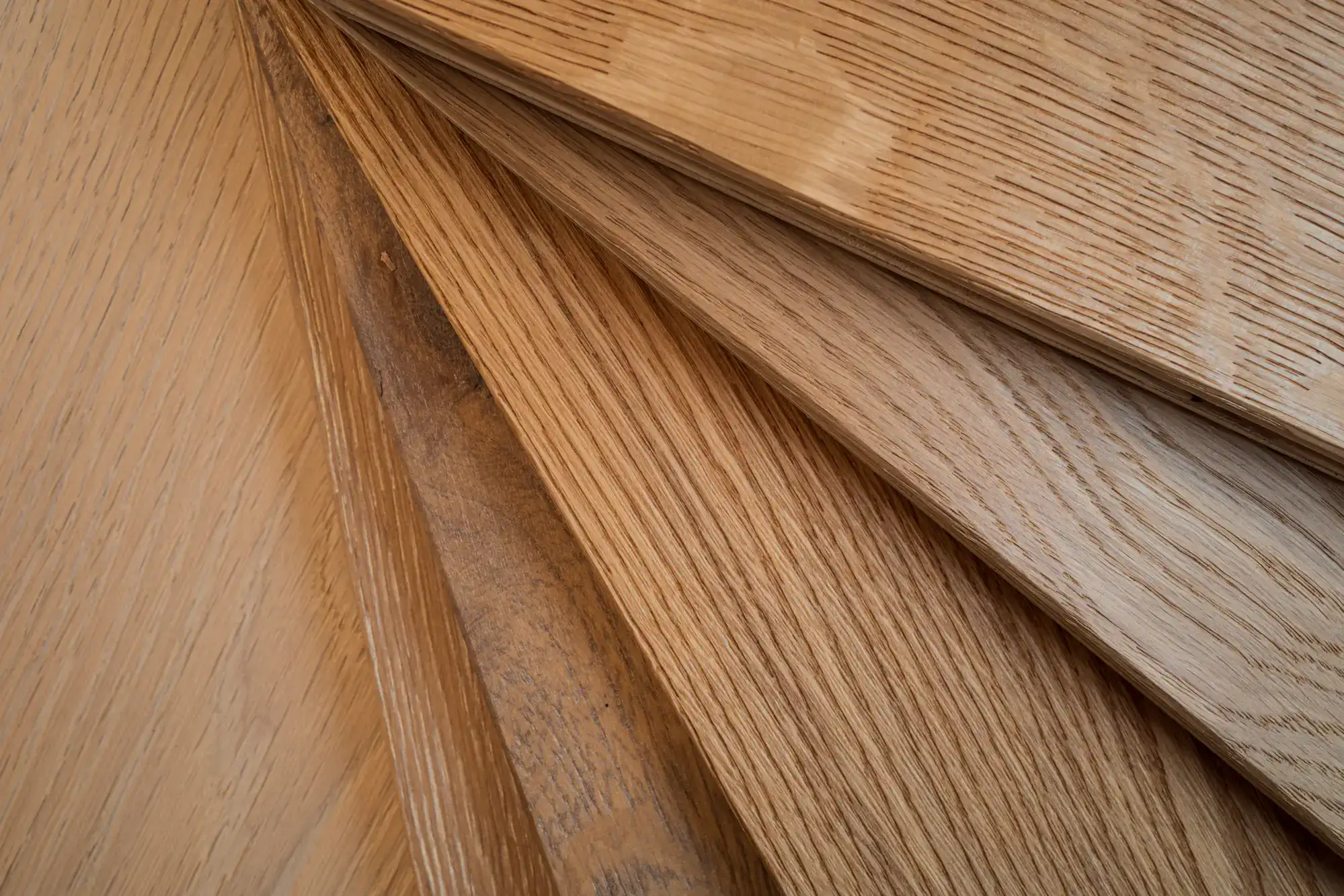
The range of available stain colors is wide, from light natural tones and grays to deep espresso and ebony finishes. For homes in Chevy Chase Section Three, where the architectural character tends toward classic colonials and Tudors, warmer mid-tones and natural oak finishes tend to complement the existing trim, millwork, and room proportions well but that’s a preference, not a rule. One thing worth knowing: the species of wood affects how stain absorbs. Red oak takes stain differently than white oak, and heart pine has its own characteristics. We can show you samples on your actual floor before committing to a color, which is the only reliable way to know what a stain will look like in your specific home.
Yes. We’re based in Bethesda, approximately two miles from Chevy Chase Section Three, and Chevy Chase Section Three is explicitly listed as a named service area on our website. We’re not commuting in from a distant suburb our team works regularly in the southern Montgomery County corridor and is familiar with the housing stock, the permit environment, and the conditions specific to this community.
Chevy Chase Section Three operates as its own incorporated municipality with its own code of ordinances and building permit process, separate from though layered alongside Montgomery County’s requirements. For interior hardwood floor refinishing and installation, building permits are typically not required, but working with a fully licensed Maryland contractor (MHIC #28145) ensures the work is done by someone who understands the regulatory environment and carries the insurance that protects you if anything goes wrong. In a village this small, where residents know each other and contractor quality is visible from one home to the next, that accountability matters.
Other Services we provide in Chevy Chase Section Three