
“
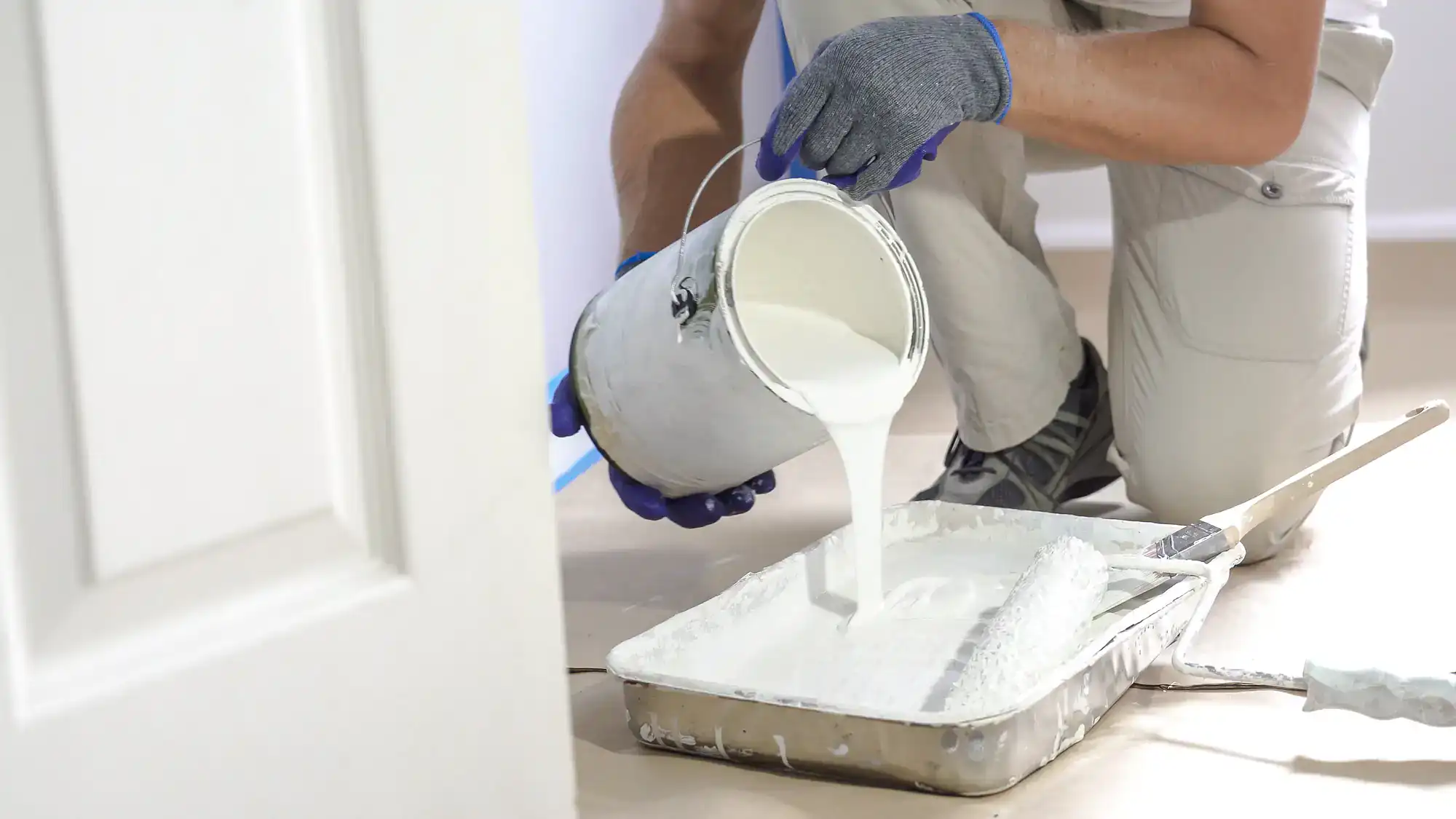
Most homeowners in Martin’s Additions aren’t painting because they’re bored with the color. They’re painting because the wood siding on a 90-year-old Colonial is starting to show its age, or because moisture has worked its way into trim that hasn’t been properly sealed in years. A quality paint job done with real prep behind it stops that cycle before it turns into rot, mold, or a five-figure repair bill.
The mature tree canopy that makes this village so distinctive is also one of the toughest conditions exterior paint faces here. North and east elevations on shaded lots stay damp longer after rain, which accelerates mildew growth and weakens adhesion over time. When the prep is done right power washing, scraping, sanding, caulking, priming a paint job in these conditions can hold for seven to ten years. When it isn’t, you’re repainting in three.
Inside the home, a clean, well-executed interior paint job does more than refresh a room. On a property valued well above $1,000,000, the details matter ceiling lines, trim edges, consistent coverage across original millwork. Interior painting in Martin’s Additions is the kind of work that holds up to scrutiny from people who notice.
We founded Optima Design Group in 1973 in Bethesda, Maryland roughly a mile and a half from Martin’s Additions. For five decades, we’ve been working on the same pre-war bungalows, Tudor Revivals, and Arts and Crafts homes that line the streets of this village and the surrounding Chevy Chase corridor. The housing stock here isn’t new construction. It has layers sometimes literally and it takes a different kind of experience to handle it well.
We hold active licenses in Maryland (MHIC #28145), D.C. (#39937921), and Virginia (#2705077763), and have earned more than 300 recommendations on Washington D.C. Consumers’ Checkbook the paid-subscription nonprofit review platform that D.C.-area professionals actually rely on when it matters. That track record didn’t come from cutting corners. It came from doing the prep, communicating clearly, and standing behind the work long after the crew packs up.
It starts with a detailed written estimate not a ballpark, not a verbal agreement. You’ll know exactly what’s included: which surfaces are being painted, how many coats, what prep steps are involved, and what the timeline looks like. For older homes in Martin’s Additions, that estimate will often include a conversation about surface condition, because a 1930s bungalow with original wood siding requires a different approach than a home built in the last twenty years.
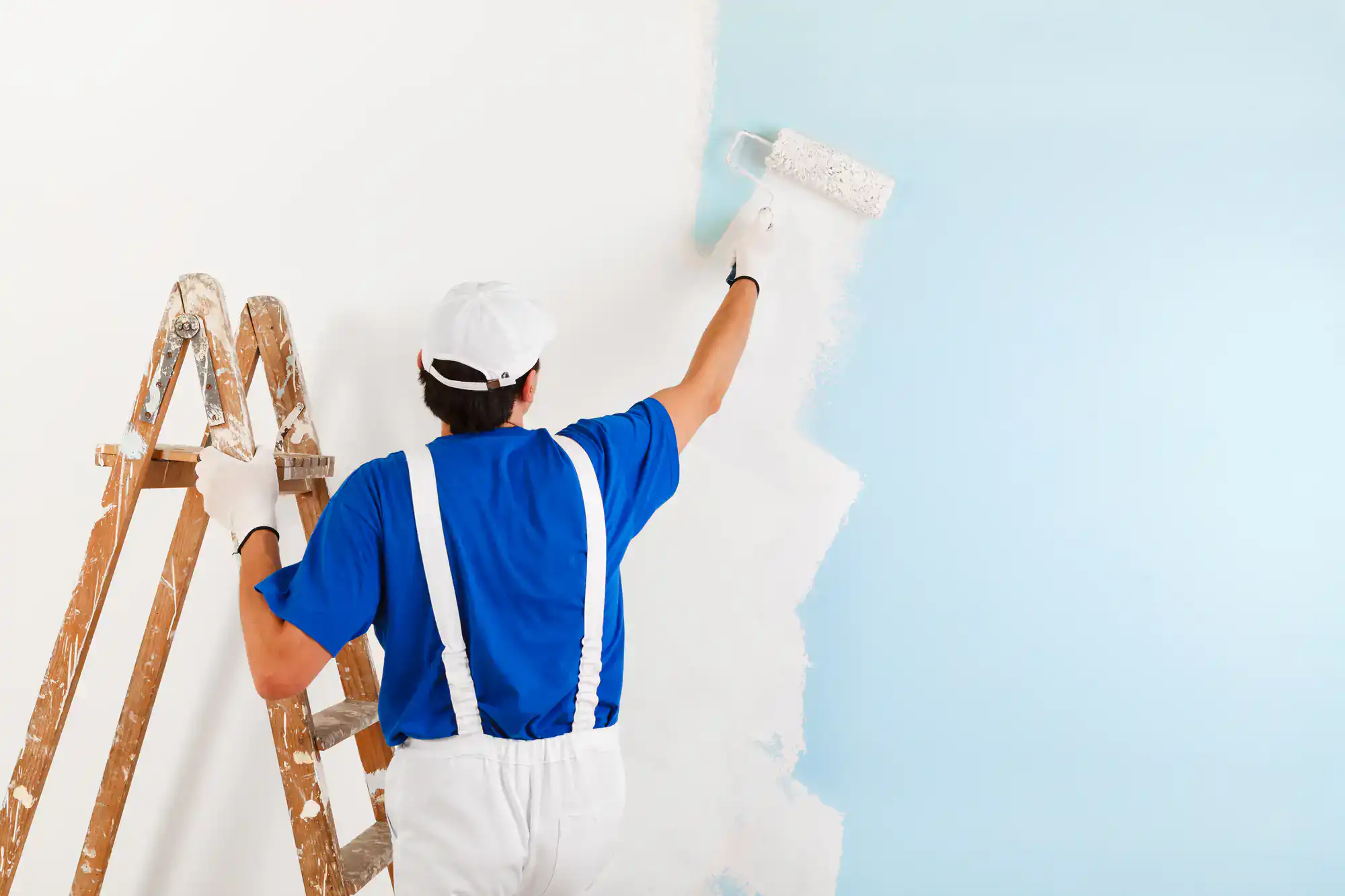
Before any paint goes on, the prep work happens and this is where most of the work actually lives. For exterior projects, that means power washing to remove the pollen, mildew, and organic debris that accumulate under the village’s dense tree canopy. Then scraping, sanding, caulking any gaps in the wood, and priming. If there’s rotted wood that needs to be addressed before painting can begin, that gets flagged during the estimate process, not discovered mid-job. For homes built before 1940 which describes most of Martin’s Additions we’re also equipped to handle lead paint properly, following EPA RRP protocols to keep your household safe throughout the project.
Once the surface is ready, the paint goes on. The number of coats depends on the surface condition and color change, not on what’s fastest. When the job is done, we clean up the site and you do a walkthrough before anything is signed off.
Ready to get started?
We handle the full range of residential painting services interior painting, exterior painting, cabinet painting and refinishing, deck staining, ceiling painting, door painting, decorative and faux finishes, lead paint removal, and popcorn ceiling removal. For a home in Martin’s Additions, several of these services carry specific weight.
Exterior painting on pre-war wood-sided homes here isn’t the same as slapping paint on vinyl siding. The wood needs to be clean, dry, and properly primed before anything else happens. The shaded microclimate created by the village’s centuries-old tree canopy live oaks, beeches, and mature hardwoods maintained by the village’s own arborist means moisture management during prep is non-negotiable. The right primer and the right paint formulation for shaded, high-moisture surfaces make a measurable difference in how long the finish holds.
Cabinet painting is worth a specific mention for homeowners in this village. Many of the kitchens in Martin’s Additions’ century-old homes still have original cabinetry the kind of millwork that gives these houses their character and that a full replacement would destroy. Professional cabinet painting costs a fraction of full replacement and, when done with proper degreasing, sanding, priming, and spray application, delivers a finish that lasts years without chipping or peeling. It’s one of the most cost-effective ways to transform a kitchen without losing what makes the home distinctive. We also offer broader remodeling services kitchen and bath work, hardwood flooring, carpentry, and decks so if you’re refreshing more than just the paint, there’s no need to coordinate multiple contractors.
Yes, significantly. Most homes in Martin’s Additions were built before World War II, and many predate World War I. That means wood siding, original trim profiles, and surfaces that may have accumulated decades of paint layers. Each of those factors changes the prep process. Older paint layers can be brittle or poorly adhered, which means they need to be scraped and sanded before new paint goes on otherwise the new coat fails along with the old one underneath it.
There’s also the question of lead paint. Any home built before 1978 may contain lead paint, and homes built before 1940 almost certainly do. Disturbing lead paint without following proper EPA Renovation, Repair and Painting (RRP) protocols creates a real health risk, especially in homes with young children or grandchildren. We offer lead paint removal as a named service and have the experience and protocols to handle it correctly in the kinds of pre-war homes that make up the majority of Martin’s Additions’ housing stock.
There’s a difference between paint that looks tired and paint that’s actually failing and the distinction matters for how urgently you need to act. Fading and slight discoloration are cosmetic. Chalking (where you run your hand along the surface and it comes away powdery), peeling, cracking, or bubbling are signs of active failure. When paint fails, it stops functioning as a moisture barrier, and on a wood-sided home in Martin’s Additions, that means water is getting into the siding, fascia, and framing.
The shaded conditions in many parts of the village accelerate this process on north and east-facing elevations. Homes with heavy tree canopy overhead which describes most properties here retain moisture longer after rain, which creates the conditions for mildew growth and adhesion failure even on paint that’s only a few years old. If you’re seeing any discoloration, soft spots, or paint that lifts when you press it, it’s worth getting an assessment before the problem gets into the wood itself. A quality exterior paint job in a moderate climate should hold for seven to ten years with proper prep. If yours isn’t making it that long, the prep was likely the issue.
For painting alone interior or exterior you generally don’t need a permit. Paint is considered ordinary maintenance and doesn’t trigger a permit requirement from either Martin’s Additions or Montgomery County. The village’s Historic Preservation guidelines also confirm that the Montgomery County Historic Preservation Commission doesn’t review paint colors or require permits for routine exterior maintenance.
Where it gets more complicated is if the painting project uncovers underlying issues that need structural repair rotted fascia boards, damaged siding, deteriorating trim. Any work that involves replacing structural components may require a permit from both the village and Montgomery County, and Martin’s Additions’ own building regulations are sometimes more restrictive than the county’s. The village strongly advises residents to contact the village office before designing any project that goes beyond maintenance. If prep work during your painting project reveals anything structural, we’ll flag it and walk you through what that means before proceeding.
Spring and early fall are the best windows for exterior painting in the D.C. metro area, and that holds for Martin’s Additions specifically. The target conditions are temperatures between roughly 50°F and 85°F with moderate humidity which rules out the peak of summer (July and August regularly hit 70–80%+ relative humidity in this region) and the coldest months of winter, when freeze-thaw cycles can prevent proper curing.
For Martin’s Additions homes specifically, there’s an additional factor: the village’s dense tree canopy means surfaces need to be fully dry before paint is applied, and shaded elevations take longer to dry after rain than sun-exposed surfaces would. Spring scheduling also lets you address any damage from the winter’s freeze-thaw cycles a real concern for older wood-sided homes here before the damage has a chance to worsen through the summer. If you’re thinking about exterior painting, getting an estimate in late winter so you can schedule for April or May puts you ahead of the busiest part of the season.
For most homeowners in Martin’s Additions, cabinet painting is the smarter call especially in homes with original cabinetry. The original millwork in a 1920s or 1930s kitchen has a character and craftsmanship that factory-made replacement cabinets simply don’t replicate. Replacing it means losing something that’s genuinely hard to get back, and paying significantly more to do it.
The cost difference is real. Professional cabinet painting runs a fraction of what full cabinet replacement costs, and a full kitchen renovation can reach well into five figures. A properly executed cabinet paint job which means degreasing, sanding, priming, and spray application for a smooth, factory-like finish holds up for years without chipping or peeling. The key word there is “properly executed.” Cabinet painting done without adequate prep, or brushed on instead of sprayed, will fail quickly. When it’s done right, it’s one of the highest-value projects a homeowner can do relative to the cost and disruption involved.
The most reliable filter is documented reputation on a platform that’s hard to game. Washington D.C. Consumers’ Checkbook is a paid-subscription, nonprofit consumer advocacy service it’s not a free review site where anyone can post anything. It’s the platform that D.C.-area professionals have trusted for decades precisely because the barrier to entry is higher. A contractor with hundreds of recommendations there has earned them from real customers who paid for access to leave a review. That’s a meaningfully different signal than a high star count on a free platform.
Beyond that, ask for verifiable license numbers, not just a claim of being licensed. In Maryland, the relevant credential for home improvement work is the MHIC license issued by the Maryland Home Improvement Commission. Ask what paint brands will be used and why. Ask specifically what the prep process involves a contractor who can walk you through each step (washing, scraping, sanding, caulking, priming) is one who actually does those steps. And get everything in writing before work begins: scope, timeline, what’s included, and what happens if something unexpected comes up during prep. In a village where neighbors talk and word of mouth travels fast, the contractors who hold up over time are the ones who earn repeat business not just first-time calls.
Other Services we provide in Martin'S Additions