“
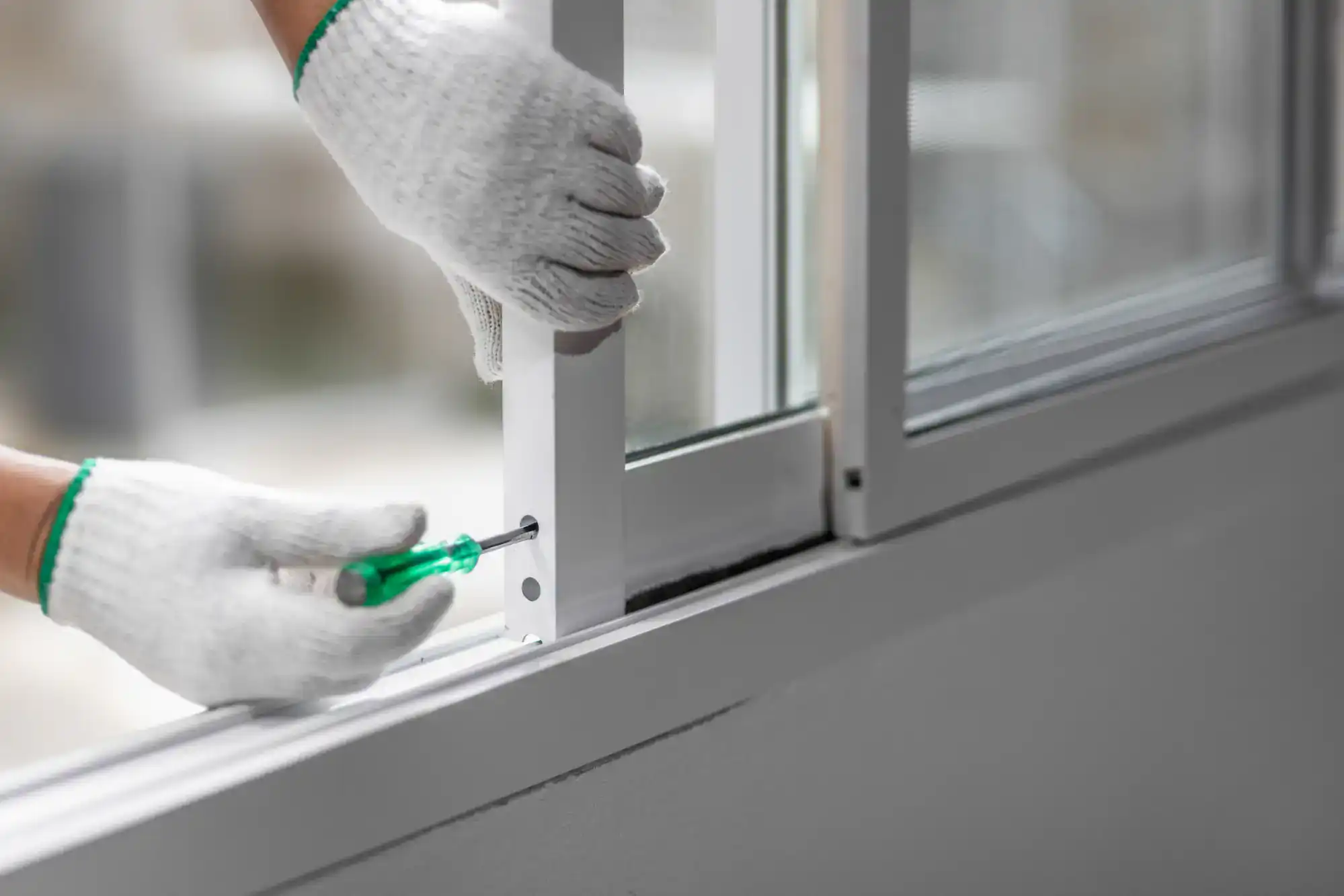
The most immediate thing you notice is comfort. Cold spots near the windows in January, that low hum of wind you’ve learned to ignore, the upstairs bedroom that never quite cools down in July those stop being a normal part of living in your home. Chevy Chase Section Three sits less than a mile from the D.C. line, and the climate here doesn’t do anything gently. Winters push into the upper 20s, summers climb into the upper 80s, and the mature tree canopy that makes the neighborhood beautiful also holds moisture against wood frames for decades. Old windows in this environment don’t just underperform they deteriorate.
Energy savings are real, though they’re not overnight. The U.S. Department of Energy puts windows at 25 to 30 percent of a home’s total heating and cooling energy loss. Replacing failed or single-pane windows with ENERGY STAR-certified double-pane units with Low-E glass can reduce your annual utility costs by up to 13 percent. With electricity prices up 10 percent in just the first half of 2025, that gap between what your old windows cost you and what new ones would cost you keeps widening.
There’s also the resale picture. In a market where Chevy Chase Section Three homes routinely sell above $1.3 million, buyers and their inspectors notice fogged glass, stuck sashes, and rotted sills. Those details become negotiating leverage or worse, a reason to walk. Vinyl window replacement recovers 67 to 76 percent of project cost at resale according to the 2025 Zonda Cost vs. Value Report, and it removes the kind of inspection flags that sophisticated buyers in this market will not overlook.
We founded Optima Design Group in 1973, starting with painting homes to work our way through the University of Maryland. Over 51 years later, we’re still owner-operated, still based in Bethesda minutes from Chevy Chase Section Three and still personally run by our founder, who responds to inquiries, writes the contracts, and is reachable when you have a question.
We hold active contractor licenses in Maryland (MHIC #28145), Washington D.C. (#39937921), and Virginia (#2705077763). That tri-state licensing matters in a village that sits less than a mile from the District line. It also means one contractor can handle the full scope of a project without handing anything off to someone else.
With 300-plus recommendations on Washington D.C. Consumers’ Checkbook a subscription-based, independent consumer research platform that Chevy Chase Section Three homeowners actually use our track record is verifiable, not just claimed. Reviewers consistently cite same-day responsiveness, reliable crews, and work that holds up. That’s the standard we hold every project to.
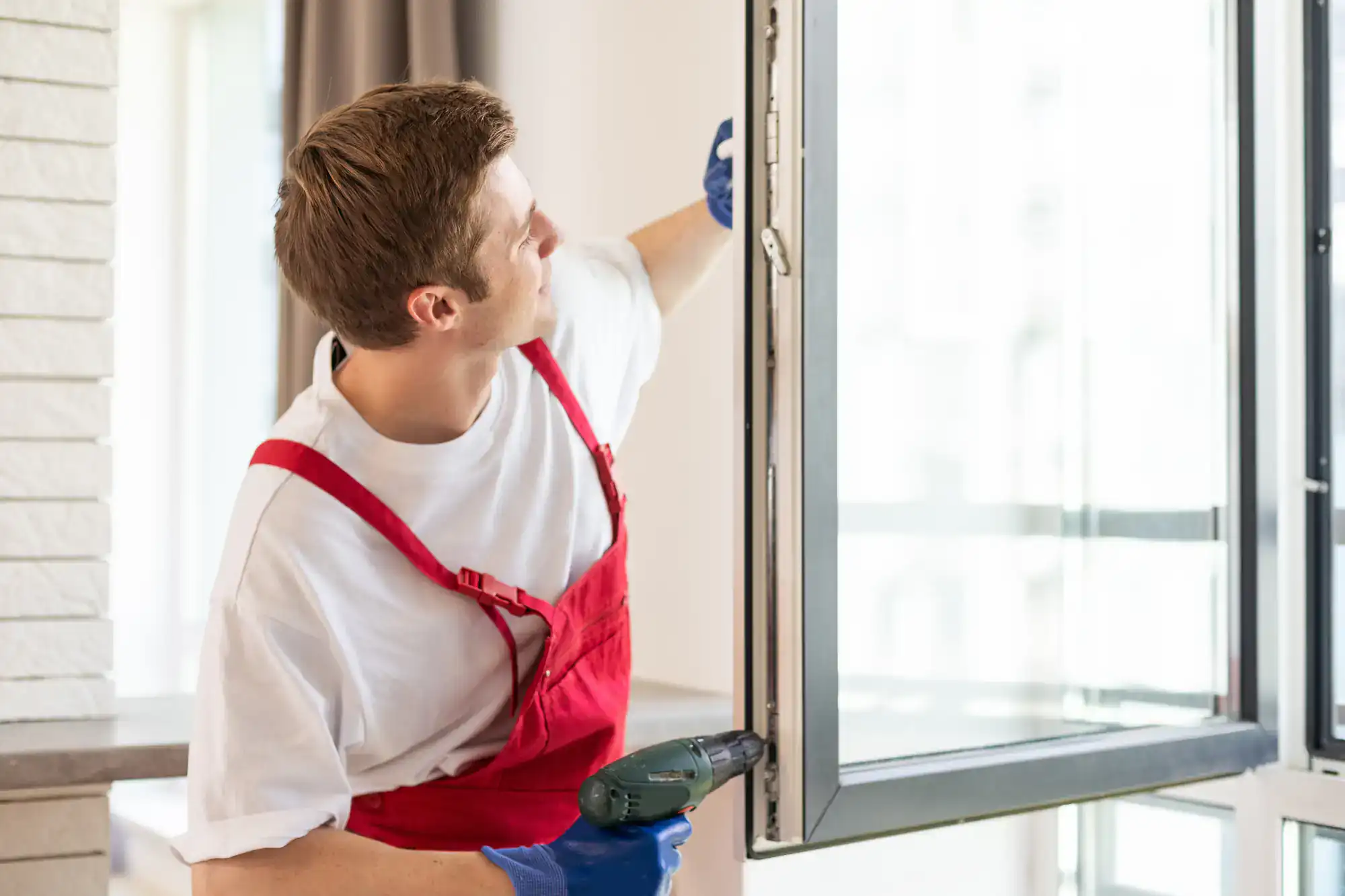
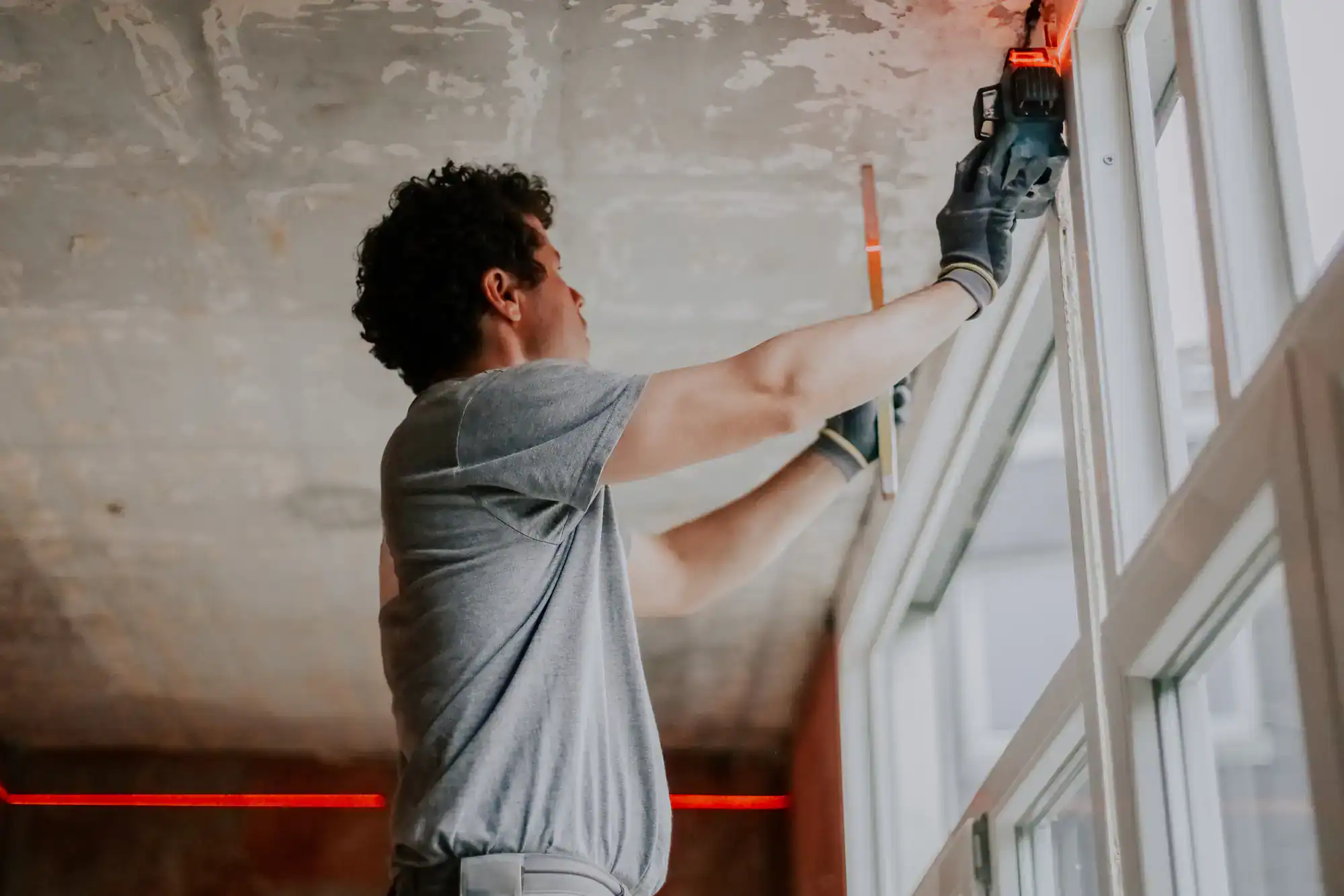
It starts with a conversation. We or a member of our team comes to the home, looks at the existing windows, and talks through what’s actually going on which windows are failing, what type of replacement makes sense for the home, and what the process will look like from start to finish. For Chevy Chase Section Three’s colonials and Tudors, that assessment includes a look at the existing window profiles, frame conditions, and whether the rough openings can accommodate an insert replacement or need a full-frame approach.
One thing worth knowing before you get started: Chevy Chase Section Three has its own two-step permit process. Because Section Three is an incorporated village, you’ll need to notify the village’s Building and Roads Representative and receive a letter of acknowledgment before Montgomery County’s Department of Permitting Services will process a building permit for certain window work. A contractor who doesn’t know this step exists can leave you out of compliance. We’re familiar with Montgomery County’s permitting landscape and the additional layer that comes with working inside an incorporated village.
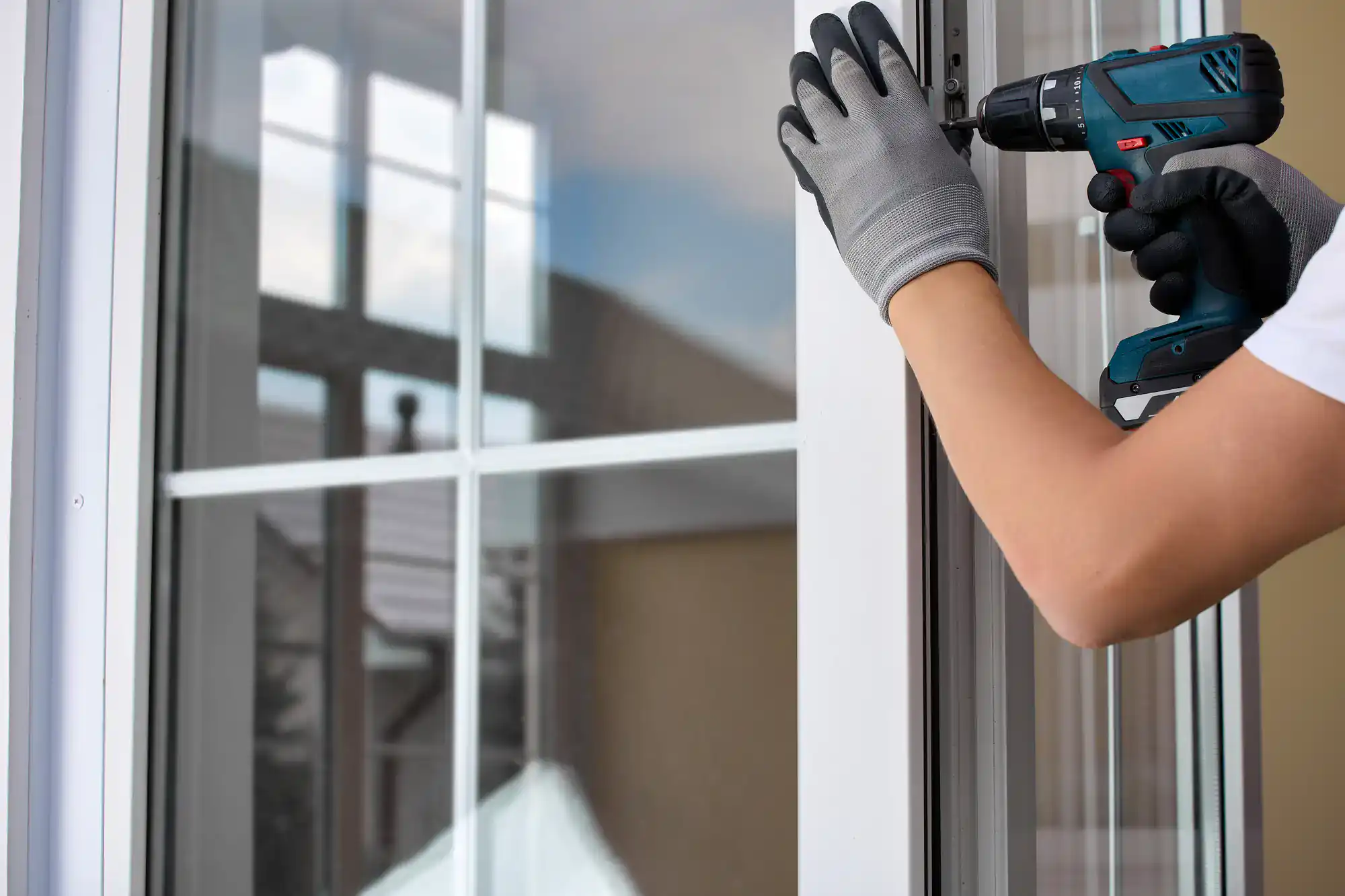
Once permits are in order, installation moves quickly. A professional crew can typically complete 8 to 12 insert replacement windows in a single day. The work is done cleanly existing trim is handled carefully, debris is removed, and the home is left in order. For pre-war homes where original millwork and trim matter, that level of care is not optional.
Ready to get started?
Window replacement in Chevy Chase Section Three isn’t a one-size-fits-all job. The 1920s colonials and 1930s Tudors that define the village have window profiles proportions, grille configurations, casement arrangements that are part of what makes these homes worth what they’re worth. Dropping in a standard vinyl double-hung that works fine in a newer subdivision can look wrong on a home with this kind of architectural character. The recommendation process starts with understanding the house.
We handle the full range of residential window replacement: double-hung windows, casement windows, picture windows, and sliding windows, in vinyl, wood, and fiberglass frame materials depending on what the home calls for. Glass packages include double-pane insulated units with Low-E coatings and argon gas fill the combination that qualifies for ENERGY STAR certification and makes you eligible for the federal Section 25C tax credit, which covers 30 percent of material costs up to $600 per year through 2032.
As a full-service general contractor, we can also handle what window replacement often uncovers in older homes: rotted sills, damaged interior trim, paint touch-up around new frames, and occasional drywall repairs. That means one contractor, one project, and no gaps between trades. For a home in Chevy Chase Section Three where the details matter, that continuity is worth something.

It depends on the scope of work, but in Chevy Chase Section Three specifically, there’s an extra step that most homeowners don’t know about. Because Section Three is an incorporated village not just an unincorporated part of Montgomery County you’re required to notify the village’s Building and Roads Representative and receive a letter of acknowledgment before Montgomery County’s Department of Permitting Services will process a permit application for certain types of work.
For full-frame window replacement, where the entire window unit including the frame is removed and replaced, a building permit is typically required. Insert or pocket replacements where the new window is installed within the existing frame may or may not require a permit depending on the specific scope. We understand Chevy Chase Section Three’s incorporated village structure and will walk you through exactly what’s needed before any work begins, so you’re not left dealing with a compliance issue after the fact.
There are situations where repair makes sense a broken lock, a damaged screen, a single sash that’s swollen and sticking. But there are conditions that repair genuinely can’t fix, and those are worth knowing.
If you’re seeing fog or condensation between the panes of a double-pane window, that’s a failed seal. The insulating gas has escaped and the thermal performance of that window is gone. You can’t re-seal it from the outside. If the wood frame or sill is soft, spongy, or visibly rotted, patching it is a temporary fix at best and in Chevy Chase Section Three’s older homes, where wood frames have been absorbing moisture from the surrounding tree canopy for 70 or 80 years, rot tends to be more extensive than it looks on the surface. Single-pane glass, regardless of its condition, simply cannot be upgraded to modern energy efficiency standards through repair. In those cases, replacement is the only path to actually solving the problem.
The architectural character of Chevy Chase Section Three’s homes matters here more than it would in a newer neighborhood. A 1930s Tudor or a 1920s colonial typically has window proportions, grille patterns, and in some cases casement configurations that are part of what defines the home’s look. Choosing the wrong replacement window wrong profile, wrong grille pattern, wrong frame material doesn’t just look off. In a market where buyers pay a premium specifically for architectural authenticity, it can affect resale value.
For most Chevy Chase Section Three colonials, double-hung vinyl or fiberglass windows with simulated divided lights (grilles between or inside the panes) are a practical and visually appropriate choice. For Tudors with casement windows, casement replacements in a matching profile preserve the original look without requiring structural changes to the rough opening. The right answer depends on the specific home, which is why the assessment process matters. A contractor who looks at the house before making a recommendation will get this right; one who shows up with a standard product and a measuring tape probably won’t.
Yes, and it’s worth understanding before you start the project so you can make sure the windows you choose qualify. Under IRS Section 25C part of the Inflation Reduction Act homeowners can claim 30 percent of the material cost of qualifying windows, up to $600 per year, through 2032. The windows need to meet ENERGY STAR Most Efficient criteria, which is based on NFRC ratings for U-factor and solar heat gain coefficient.
To claim the credit, you’ll file IRS Form 5695 with your tax return for the year the windows were installed. The credit applies to materials, not labor. On a project with $3,000 in qualifying window materials, that’s $600 back at tax time. It’s not a rebate it comes off your tax liability directly. Making sure the windows specified for your project are ENERGY STAR certified is something we confirm upfront, not something you want to sort out after installation.
For most homes in Chevy Chase Section Three, the installation itself is a one-day job. A professional crew can typically install 8 to 12 insert replacement windows in a single day. If you’re replacing all the windows in a smaller home which, given the 280-lot village footprint, describes a lot of Section Three properties you’re usually looking at one day of work, not a week-long disruption.
Full-frame replacements take longer per window than insert replacements, because the entire existing frame is removed before the new unit goes in. If your frames are rotted or the rough openings need repair work, that adds time. The pre-war homes in Chevy Chase Section Three occasionally have surprises inside the wall once the old frame comes out lead paint on old trim, plaster that needs attention around the opening, or framing that’s shifted over decades. A contractor who’s done this work in older homes will know how to handle those situations without turning a one-day job into a week-long one.
The short answer is that not all quotes are measuring the same thing. A low quote might be for an insert replacement while a higher one is for full-frame. One contractor might be pricing a basic double-pane unit while another is quoting a Low-E, argon-filled window that qualifies for the federal tax credit. Labor rates, warranty coverage, and whether the quote includes trim repair or paint touch-up all affect the number significantly.
In the Chevy Chase market specifically, there’s also a meaningful difference between contractors who understand pre-war construction and those who don’t. Older homes have non-standard rough opening sizes, wood frames that may need repair before a new window can be properly installed, and interior trim that requires careful handling. A contractor who prices a Chevy Chase Section Three colonial the same way they’d price a 1990s split-level in a different part of Montgomery County is probably not accounting for the actual conditions of the job. When you’re comparing quotes, ask each contractor to specify exactly what’s included the window type, glass package, frame material, and what happens if the rough opening needs work. That’s the only way to compare apples to apples.
Other Services we provide in Chevy Chase Section Three